

Cyprus is preparing to tighten its “golden visa” programme ahead of its planned entry into the Schengen area, Deputy Migration Minister Nicholas Ioannides said on Thursday, as authorities carry out checks on thousands of permits issued since 2013.
Speaking before the House audit committee, Ioannides said around 1,500 golden visas had been issued over the past two years, while approximately 12,000 permits issued since 2013 were being scrutinised to establish whether their holders continued to meet the programme’s requirements.
He said decisions were expected on tightening the programme, noting that Cyprus’ entry into Schengen would make it a more attractive destination, and that he had already submitted proposals to other ministers involved.
Among the issues being examined is where investments made through the programme should be directed, including whether funds could also be channelled towards education, defence and innovation.
“We need investment,” Ioannides said, but added that it had to take place “in a controlled manner”.
The issue was also raised by Alma president and MP Odysseas Michaelides, who said the programme remained in operation and argued that it was contributing to pressure on the housing market.
The committee was examining a special Audit Office report on the management of migration, with the discussion ranging from shortcomings in the monitoring of third-country nationals to asylum applications, returns and the Green Line.
Ioannides announced that a new information system is being developed to track third-country nationals from the point they enter the Republic until their departure.
The issue follows findings by the Audit Office covering 2021 to 2023, according to which around 290,000 third-country nationals who had legally entered Cyprus appeared in available records without a corresponding departure being registered.
Ioannides said the situation had since changed and information systems were being linked with those of other ministries, with the new system expected to be installed in March.
He said the absence of a recorded departure did not necessarily mean that a person remained illegally in Cyprus. Possible explanations included leaving through a non-government-controlled point, obtaining a residence permit or departing using a different passport.
The migration services are also being digitised. In the first phase, people will be able to renew residence permits online in five categories, track the progress of applications electronically and receive an SMS once the process has been completed.
On asylum, Ioannides said pending applications had fallen from around 24,000 when the deputy ministry was established to fewer than 12,500.
More than 6,100 applications involving Syrians have been withdrawn or revoked since December 2024, while around 5,500 people have returned. During the first eight months of 2026, total returns exceeded 7,000, compared with more than 12,000 departures during 2025.
The approval rate for asylum applications currently stands at between 15 and 20 per cent, Ioannides said.
Asked about the rights of people granted protection, he stressed that subsidiary protection was different from refugee status and was temporary in nature. He also said illegal entry into the Republic precluded the acquisition of Cypriot citizenship and that years of residence were not the sole criterion for naturalisation.
The Green Line also featured prominently during the discussion.
Committee chairman Zacharias Koulias said the situation in Pyla was “not good” and raised concerns over gaps in checks, as well as controls at other entry points including marinas.
Assistant police chief Michalis Katsounotos said daily patrols were carried out in the areas concerned, during which illegally operated vehicles and smuggled migrants were intercepted.
Ioannides stressed, however, that Cyprus does not apply a migration procedure at the Green Line, although specific checks are carried out.
“We will never accept it becoming a hard border,” he said. In an interview with the Cyprus Mail he spoke about increased surveillance of the Green Line, cameras, sea patrols, faster asylum procedures and returns.
The deputy minister also pointed to a sharp reduction in the cost of migration-related benefits, saying expenditure stood at €15 million at the beginning of 2026, compared with €49 million when the deputy ministry took over responsibility for migration.
A significant part of migration management costs is covered by European funding. The Pournara reception centre was upgraded entirely with EU funds, while Limnes received 85 per cent EU funding and returns are funded at a rate of between 80 and 85 per cent.
Turning to legal migration, Ioannides said Cyprus needed workers in construction and the hotel industry, as well as nurses.
Bilateral agreements have been concluded with Egypt and India for more targeted recruitment, while around 200,000 valid residence permits for third-country nationals are currently in force.
The number of unaccompanied minors has meanwhile fallen from around 1,100 when the deputy ministry was established to 130 today. Ioannides said age assessments were being carried out and there were no plans to create additional facilities.
Speaking after the committee meeting, Ioannides said irregular arrivals during the first eight months of 2026 were down 92 per cent compared with the corresponding period of 2022, while new asylum applications had fallen by 93 per cent.
Almost 7,000 third-country nationals have been returned since the beginning of the year and around 40,000 since 2023, he said, adding that Cyprus could now both participate in and organise joint European return operations with Frontex.
“Migration policy cannot be effective if return decisions remain on paper. Whoever does not have the right to remain in the Republic must return to their country, and that is being implemented in practice today,” he said.
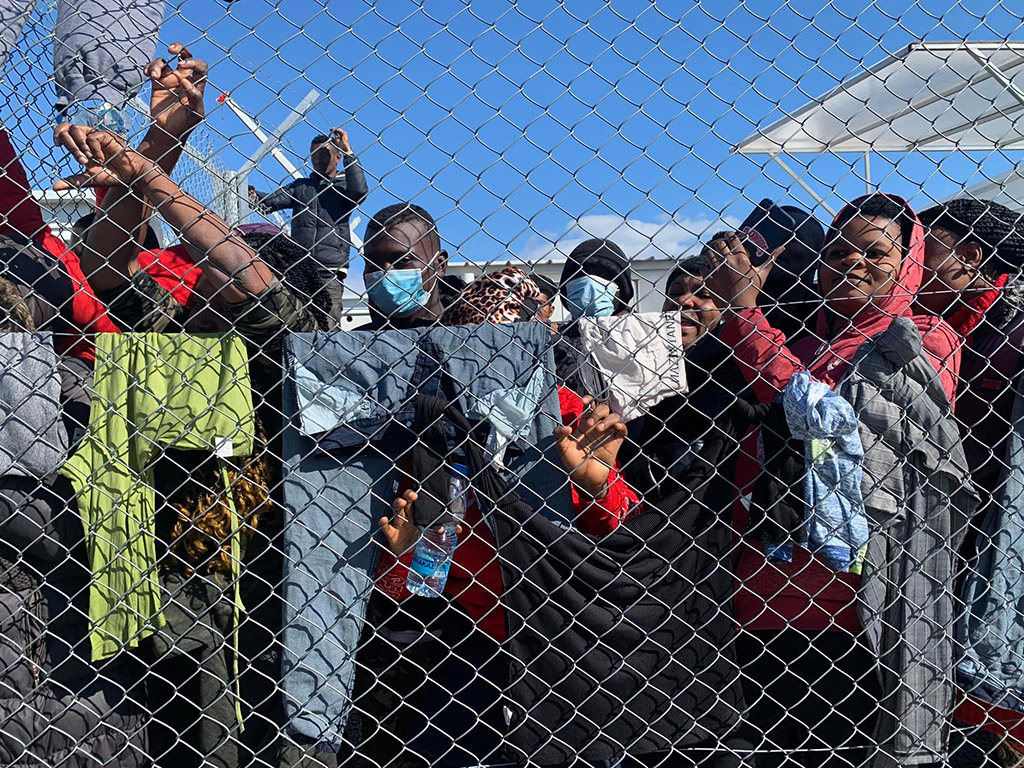
Ioannides pointed to Pournara as an example of the change, saying the centre, which has capacity for around 1,000 people, housed more than 3,000 in 2022 but currently has 165 residents.
He also said the new border procedure had allowed some asylum cases to be completed, both by the Asylum Service and the court, within two weeks.
With unemployment among Cypriots now below five per cent, Ioannides said shortages in key sectors meant legal migration had an important role to play.
“Legal, organised and controlled migration is part of the solution,” he said, arguing that labour market needs should be met through regulated legal routes rather than abuse of the asylum system.



Click here to change your cookie preferences