
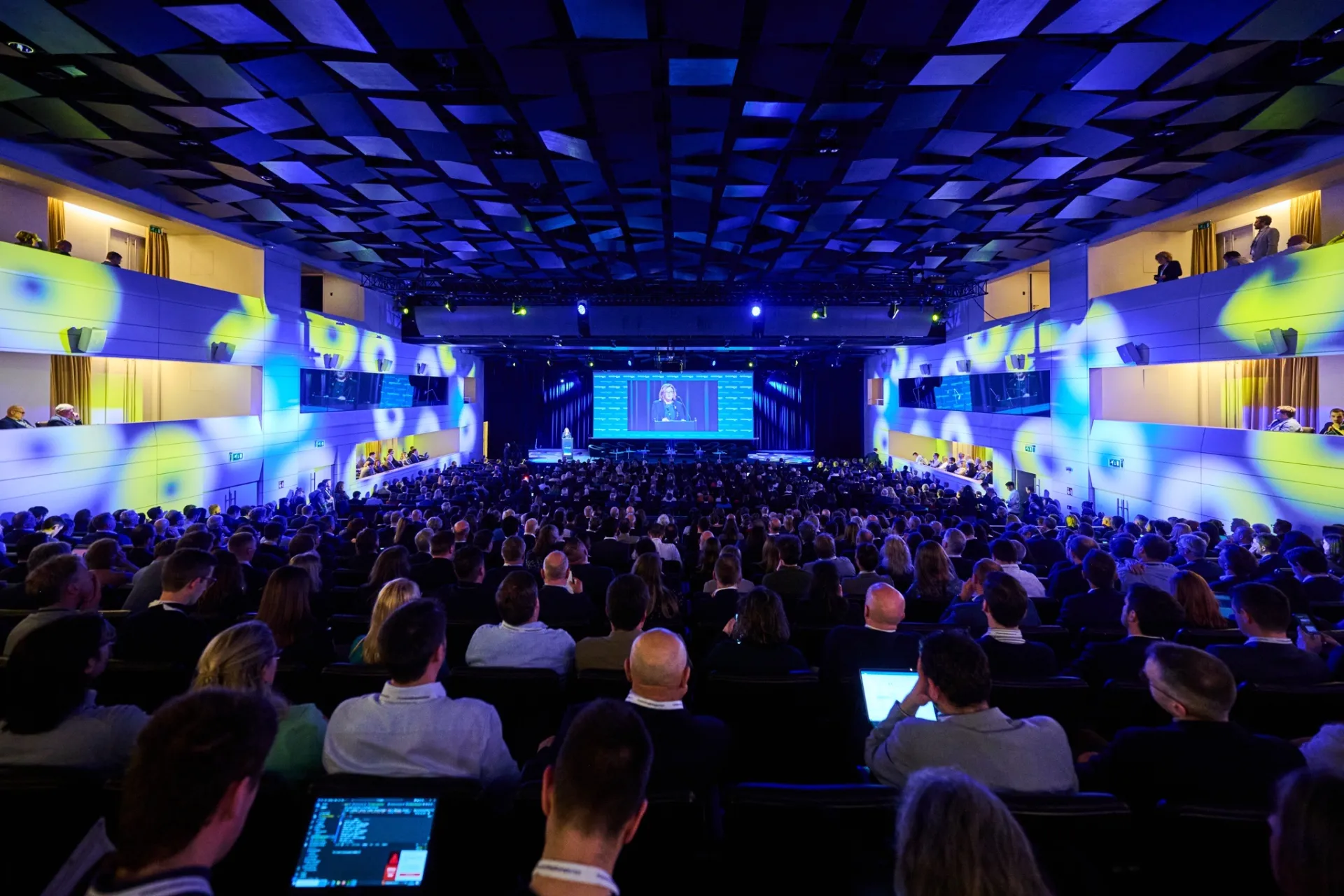
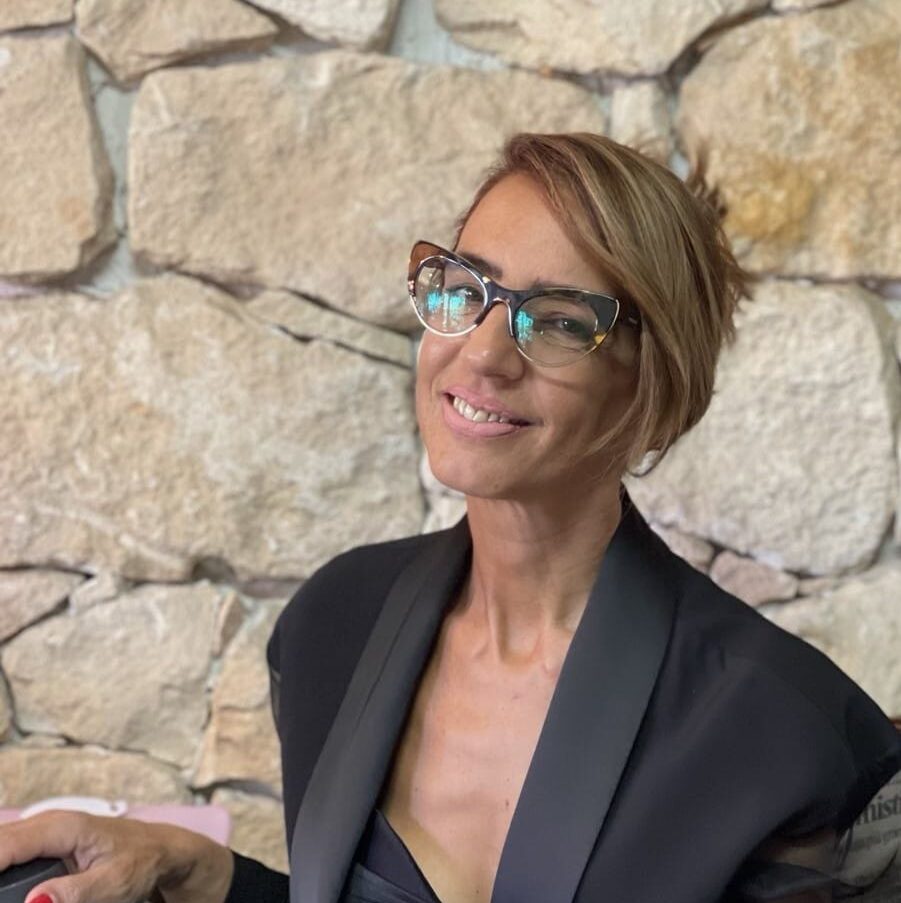
Shipping Deputy Minister Marina Hadjimanolis is travelling to Brussels on Monday for high-level talks on the future of European shipping and ports, with competitiveness, geopolitical pressures, fleet renewal and decarbonisation among the issues on the agenda.
Hadjimanolis will be in the Belgian capital from September 28 to 30, following an official invitation from European Commissioner for Sustainable Transport and Tourism Apostolos Tzitzikostas to take part in Connecting Europe Days 2026.
The European Commission’s flagship mobility and transport event runs from September 28 to October 1, bringing together policymakers, financial institutions, industry representatives and transport stakeholders to discuss measures aimed at creating a competitive, resilient, safe and sustainable European transport sector.
The conference will also examine the role of transport and connectivity in European competitiveness, strategic autonomy and resilience, alongside future infrastructure funding and links with countries outside the EU.
As part of the programme, Hadjimanolis will speak on Tuesday at the high-level plenary session “Gateways to Europe and the world: ports and the maritime sector in transition”, which will run from 4.45pm to 6.30pm.
The session will focus on the priorities of the Industrial Maritime Strategy and EU Ports Strategy, examining their implications for Europe’s maritime value chains and infrastructure.
According to the Commission programme, discussions will also cover the strengthening of Europe’s maritime industrial capacity and fleet renewal, with attention to climate objectives as well as the bloc’s economic and security interests.
Hadjimanolis will take part in a fireside discussion alongside Irish Minister of State Timmy Dooley, while the industry panel will include Fincantieri chief executive and managing director Pierroberto Folgiero, ENESEL Group co-chair Andonis Lemos, Titan Clean Fuels chief executive Niels den Nijs and Freeport of Riga Authority chief executive Ansis Zeltiņš.
The Brussels discussions follow the European Commission’s adoption in March of the two new maritime strategies, covering ports, shipping and shipbuilding and focusing on competitiveness, sustainability, security and resilience.
Under the Industrial Maritime Strategy, Brussels has set out measures aimed at strengthening European shipbuilding, shipping, maritime technology and industrial capacity, while supporting the sector’s clean and digital transition. The plans include the creation of an EU Industrial Maritime Value Chains Alliance.
European shipping currently accounts for more than one third of global shipping tonnage, according to the Commission.
At the same time, European ports handle around 74 per cent of the EU’s external trade, equivalent to about 3.4 billion tonnes of goods a year, as well as almost 395 million passengers. They also support more than 423,000 direct jobs.
The Ports Strategy addresses the competitiveness, resilience, security and sustainability of those facilities as ports take on a wider role in trade, energy, industry and security, alongside requirements to increase capacity, digitalise and decarbonise.
The Brussels meeting also follows maritime discussions held in Limassol earlier this month between Cyprus, Greece and Malta, with the participation of Italy.
At the September 9 meeting, chaired by Hadjimanolis, ministers discussed challenges facing international shipping, the competitiveness of European shipping and developments in maritime decarbonisation at EU and International Maritime Organisation level.
They subsequently adopted a joint declaration reaffirming their intention to strengthen cooperation and coordination on maritime issues ahead of further discussions within the EU and IMO.
Hadjimanolis’ participation in Brussels forms part of Cyprus’ involvement in discussions over the implementation of Europe’s new maritime policy framework, including measures concerning fleet renewal, infrastructure, alternative fuels, industrial capacity and regulation.
Click here to change your cookie preferences