
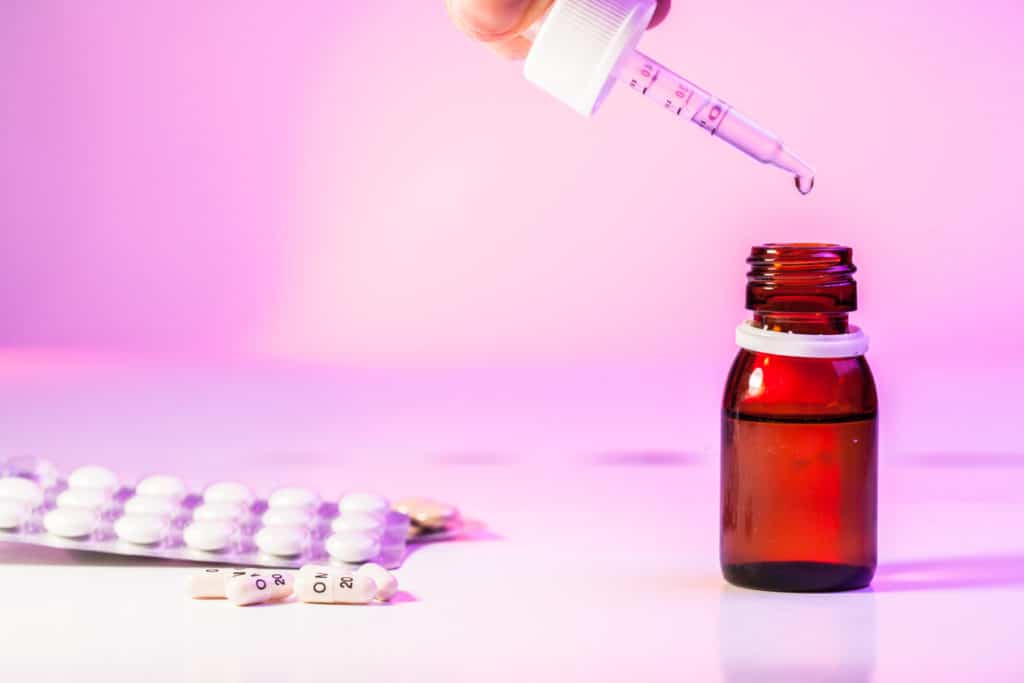
More than 400kg of ketamine was seized in September, raising questions about the drug's growing presence as doctors use it to treat chronic pain and mental health conditions
After police raids seized more than 400kg of ketamine – a drug that had rarely been found on the island previously – it appeared the island may be in the grip of a new party drug. But, ketamine has long been used in Cyprus medical centres offering treatment for pain and mental health issues.
Originally used as a horse tranquiliser, ketamine has become a widely used party drug in recent years, with an estimated 270,000 users in Britain alone.
Ketamine is a dissociative anesthetic used as a pain blocker during medical and veterinary procedures, which induces what is described as a trance-like state while allowing the patient to continue breathing on their own.
In Cyprus, the substance is classified as a Class B drug and is the main ingredient in the relatively new ‘pink cocaine’, which also contains MDMA, methamphetamine, caffeine and opioids.
Ketamine seizures raise questions over its use in Cyprus
In recent years, the drug has become popular globally and is reportedly circulating in neighbouring countries, including Israel.
According to the National Drug Survey 2025, ketamine use in Cyprus currently stands at a level that can be considered small to negligible.
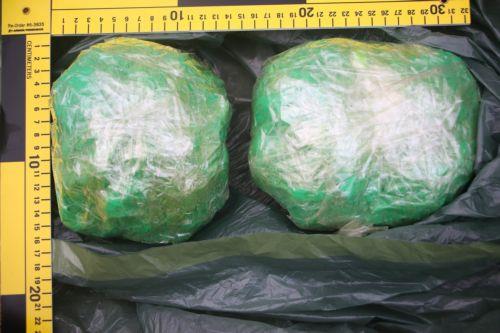
In September, police seized a total of 417.9kg of ketamine, most of which was confiscated in Limassol. “The quantities seized were 5g in the first case, just over 390kg in the second, and 27.5kg in the third,” police told the Cyprus Mail.
Police are investigating if the third case, found in the home of two young men, is linked to the large haul involving an Israeli and a Palestinian couple.
Soon after the discovery, drug squad (Ykan) chief Christos Andreou said the seizure amounted to approximately 790,000 doses of the drug.
Ketamine for chronic pain treatment in Cyprus
In addition to its use to treat pain, ketamine has become an alternative for treatment-resistant depression and other mental health conditions. Asked by the Cyprus Mail if ketamine’s use in clinics was fueling its use as party drug, the authorities could not provide a comment.
Among the treatments offered at the Swiss Pain Clinic in Limassol ketamine is used. Doctor Marios Moniatis works as an anaesthesiologist with additional formal training and certification in interventional pain medicine, and has been providing ketamine treatment for patients with chronic pain since 2019, bringing the practice to Cyprus in 2024.
“My clinical use of ketamine concerns selected patients with chronic pain. I do not independently provide ketamine treatment for psychiatric disorders; that falls within the remit of appropriately qualified psychiatrists,” he told the Cyprus Mail.
This year, Moniatis has treated nine patients with ketamine-based infusion therapy, some of them requiring several sessions.
“The infusion itself normally lasts 1-2 hours including the pre-treatment assessment and post-infusion observation, the patient remains at the clinic for approximately three hours,” he said.
Moniatis explained that treatment is accompanied by supervision and the strict monitoring of relevant physiological parameters such as blood pressure, heart rate and oxygen saturation.
“Temporary adverse effects can include dizziness, nausea, sedation, changes in blood pressure or heart rate, blurred vision, dissociation and perceptual disturbances,” he said, underlining that ketamine must be administered only in an appropriately equipped clinical environment under medical supervision.
But how can a substance that is classified as illegal be offered for medical treatment?
The answer lies in the difference between unlawful personal use and legal, medically supervised use through licensed pharmaceutical channels.
“The pharmaceutical ketamine used at my clinic is obtained through lawful, licensed pharmaceutical supply channels in Cyprus. The manufacturer, batch number and expiry date are documented, and the medicine is stored, recorded and administered in accordance with applicable requirements,” Moniatis said, as is required for prescription and controlled clinical grade medicines.
“It bears no relationship to ketamine circulating through illicit or recreational markets,” Moniatis stressed.
He holds a valid license to use ketamine and opioid narcotics as a licensed anesthesiologist and interventional pain management specialist, and is careful to highlight that ketamine is not a routine or first-line treatment for chronic pain.
“It may be considered after individual assessment for selected patients with severe, persistent pain, particularly pain with neuropathic features, when established treatments have not provided adequate relief or are unsuitable,” he added.
Such conditions could include complex regional pain syndrome (CRPS) and certain other neuropathic pain syndromes.
Chronic pain, however, is only one of the areas where ketamine is used in Cyprus.
Ketamine treatment for depression and mental health
While Moniatis turns to ketamine therapy for pain management, other doctors on the island offer it for the treatment of depression and other mental health conditions.
Though none of the doctors would speak to the Cyprus Mail, a former patient, who underwent treatment in Nicosia a year ago, was.
“I started it [the ketamine treatment] because I was desperate, I was in a very acute and serious mental health episode for more than six or seven months,” said Johnny.
He recounted how, despite trying different medications and undergoing therapy, he had reached a point where he was experiencing an extreme level of suffering, characterised by symptoms such as numbness and rumination.
Johnny began his treatment in August 2025, stopping in December of the same year, undergoing what is considered a full treatment circle consisting of ten sessions, each costing €200.
“You go in the room, the doctor puts on some ambient music and some kind of trippy colourful lights and you can also wear a mask for the eyes, which is recommended,” he explained.
According to Johnny, the doctor then comes into the room and injects the ketamine intravenously into the arm. “Within a few minutes you start feeling kind of woozy,” he said.
Once the substance is absorbed, he experienced a phase of complete blankness, which he describes as an “ego death”.
“I would forget who I am, what my life is like, where I am, as if I would come into existence, as if I was discovering everything for the first time,” he said, “it’s like you see yourself from the eyes of someone else, like you look at yourself from above.”
Johnny described seeing more clearly what was happening to him, saying that he felt as if the ketamine opened the connection to his unconscious. “It was different to the numbness I was in before,” he explained.
As an anesthetic, ketamine also has a physical impact on the body.
“Even though you have a lot of memories coming up, you feel very relaxed in your body,” Johnny said.
The psychiatrist, he said, checks on the patient and monitors the situation through cameras during the process.
But how much benefit does the treatment really offer?
“Short term the treatment benefitted me immensely. After just the first session, all of my mental health struggles completely vanished for three weeks (…) but then slowly my symptoms started coming back,” he said.
While he emphasised that in the long run, the ketamine in itself did not solve his problem, it allowed him to persevere and got him out of a previous unbreakable loop leading to him finding the right combination of treatment and medication.
Monitoring ketamine used in clinics
But who monitors the ketamine used in those clinics?
“The ministry of health, within the scope of its responsibility to ensure the quality and safety of healthcare services provided, has mapped centres and premises that provide services or apply practices that may pose an increased degree of risk to health,” the health ministry told the Cyprus Mail.
Although it did not clarify whether this included ketamine clinics, the ministry said that on-site inspections of several medical establishments are currently underway.
The ministry said that through the mapping and inspections, it aims to ensure a clear distinction between wellness services and services that constitute medical acts and, as such, should be provided within an appropriate medical setting and subject to the necessary safety requirements.
“Based on the findings of the inspections and their assessment, the health ministry will proceed with the appropriate actions, guided by the protection of public health and the safety of citizens,” it said.
Ketamine is a well-established drug for the treatment of pain and mental health conditions. In Cyprus, such therapies are still relatively new and remain under official oversight by the relevant authorities. But the line between medicine and misuse matters.
Taken under clinical supervision, ketamine can bring relief where other medication fails to work. Taken recreationally as a party drug, it can do lasting harm including gastrointestinal issues and the so-called ‘ketamine bladder,’ a painful condition that can permanently damage the organ and even leave patients needing surgery to have it removed.
If you or someone you know is struggling with a drug addiction, contact the 1402 helpline, where specialist counsellors are available to provide support and guidance


Click here to change your cookie preferences