
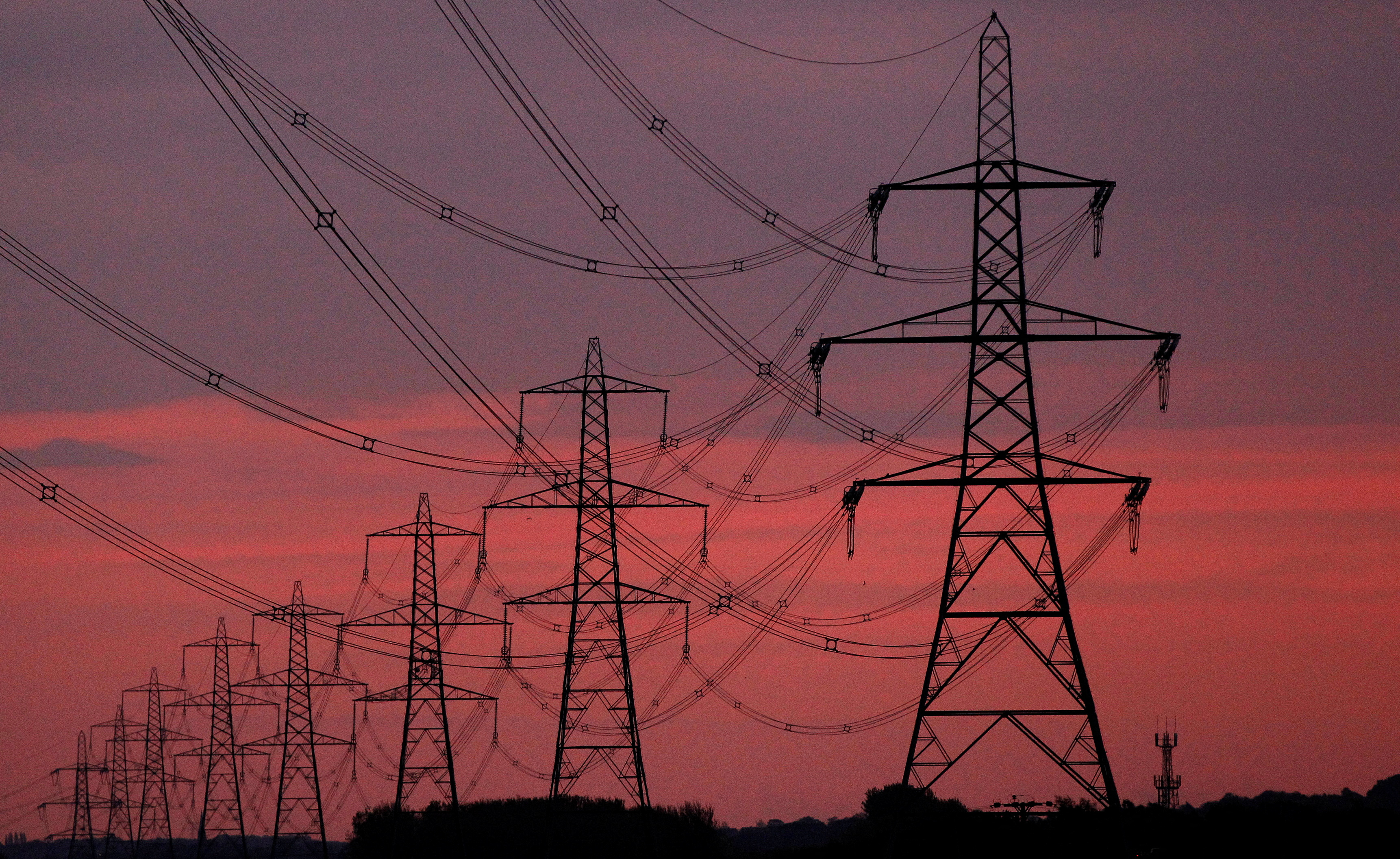
The government has activated a special clause allowing for emergency measures to be taken so that electricity supply can meet demand, as by 2030 Cyprus may face a severe supply gap, officials said on Tuesday.
The head of the energy regulatory authority (Cera) told MPs that the energy ministry has activated article 34 of the Regulating the Electricity Market Law.
This provides for a ‘capacity mechanism’ to be initiated.
Cera chairman Polyvios Lemonaris said that, as part of a rolling assessment of energy adequacy, they examined the worst-case scenario – namely, that by 2030 there is still no natural gas for power generation, and no electrical interconnection with another country.
In this scenario, there would arise a power shortage of approximately 720 megawatts – chiefly due to the obligatory decommissioning of conventional power turbines that are not compliant with EU environmental standards.
The energy regulator explained that the capacity mechanism – if and when implemented – may include a variety of technologies and methods, depending on system needs.
Implementing this would incur costs, ultimately borne by consumers.
Lemonaris cited the case of Ireland, which had faced a serious capacity issue, prompting authorities there to trigger the capacity mechanism for a certain period of time until the completion of permanent infrastructures.
He said that previous power adequacy assessments in Cyprus had assumed that natural gas and an interconnector would be available earlier than is now evident.
Cera, he stressed, does not formulate energy policy but rather implements official decisions of the state.
Reacting to this briefing, Disy MP Nikos Georgiou later told media that Cyprus “has gone critical” in terms of energy adequacy.
“We’re between a rock and a hard place,” he remarked.
Demand for energy is rising, while the time window for decisions is closing.
Georgiou said he and his colleagues asked authorities to present them with a specific plan and timetable.
He said that Tuesday’s session of the House energy committee intended to hear solutions, without apportioning blame.
A capacity mechanism is a market-based system that pays power plants, storage facilities and demand-response providers just to stay available, acting as an insurance policy against blackouts during high demand or low renewable generation.
Capacity mechanisms remunerate energy resources for their available capacity, typically through long-term contracts. These measures are classified as state aid. As such, they are agreed upon at the national level and require the approval of the European Commission’s Directorate General for Competition.
Sources familiar with the subject explained to the Cyprus Mail that a capacity mechanism is essentially a procedure where the government takes extra steps to ensure adequate energy capacity.
If it comes to it, the sources said, authorities would launch competitions and invite bids for the provision of extra capacity – be it conventional or renewables-based.
And they confirmed the potential looming shortfall of 700 megawatts by 2030. This is due to the fact that several power turbines will need to be decommissioned by that date – six turbines at the Dhekelia power plant, plus three more at the flagship Vasiliko facility.
Article 34 of the Regulating the Electricity Market Law states that, in the event the installed electricity capacity is deemed insufficient to cover needs, the energy minister of the day will issue a relevant decree published in the government gazette.
The decree, issued after consultation with Cera and the Transmission System Operator, will specify the procedure for submitting bids, the required output in megawatts, and the terms under which this power will be made available.
Cera is responsible for inviting the bids.
Although Article 34 has been triggered, the ministerial decree itself has not been issued yet; the procedure is still in the consultation phase.




Click here to change your cookie preferences