
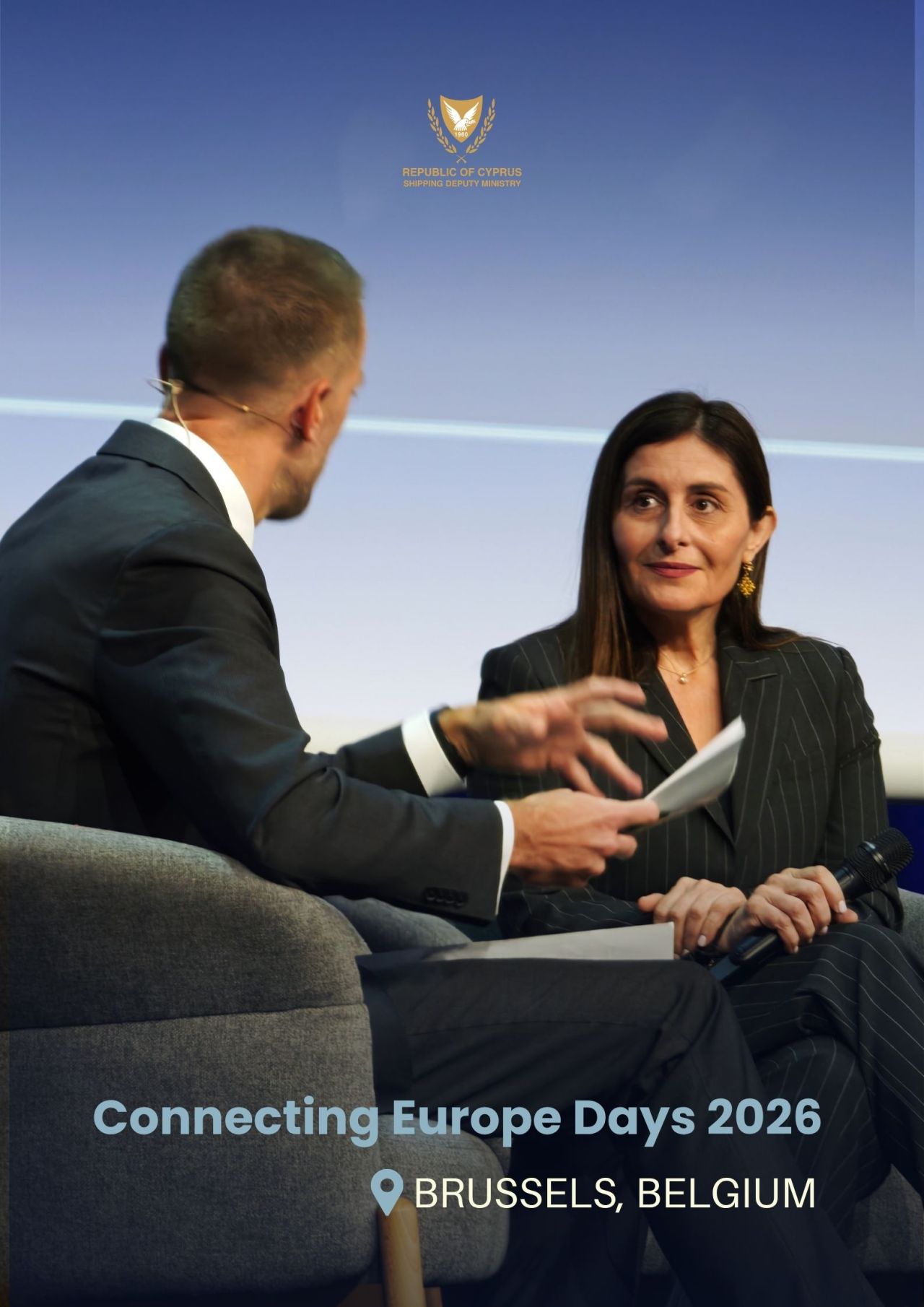
Cyprus has stepped into the European debate over how shipping and ports can remain competitive while meeting increasingly demanding energy, security and decarbonisation requirements, with Shipping Deputy Minister Marina Hadjimanolis joining senior policymakers and industry leaders in Brussels.
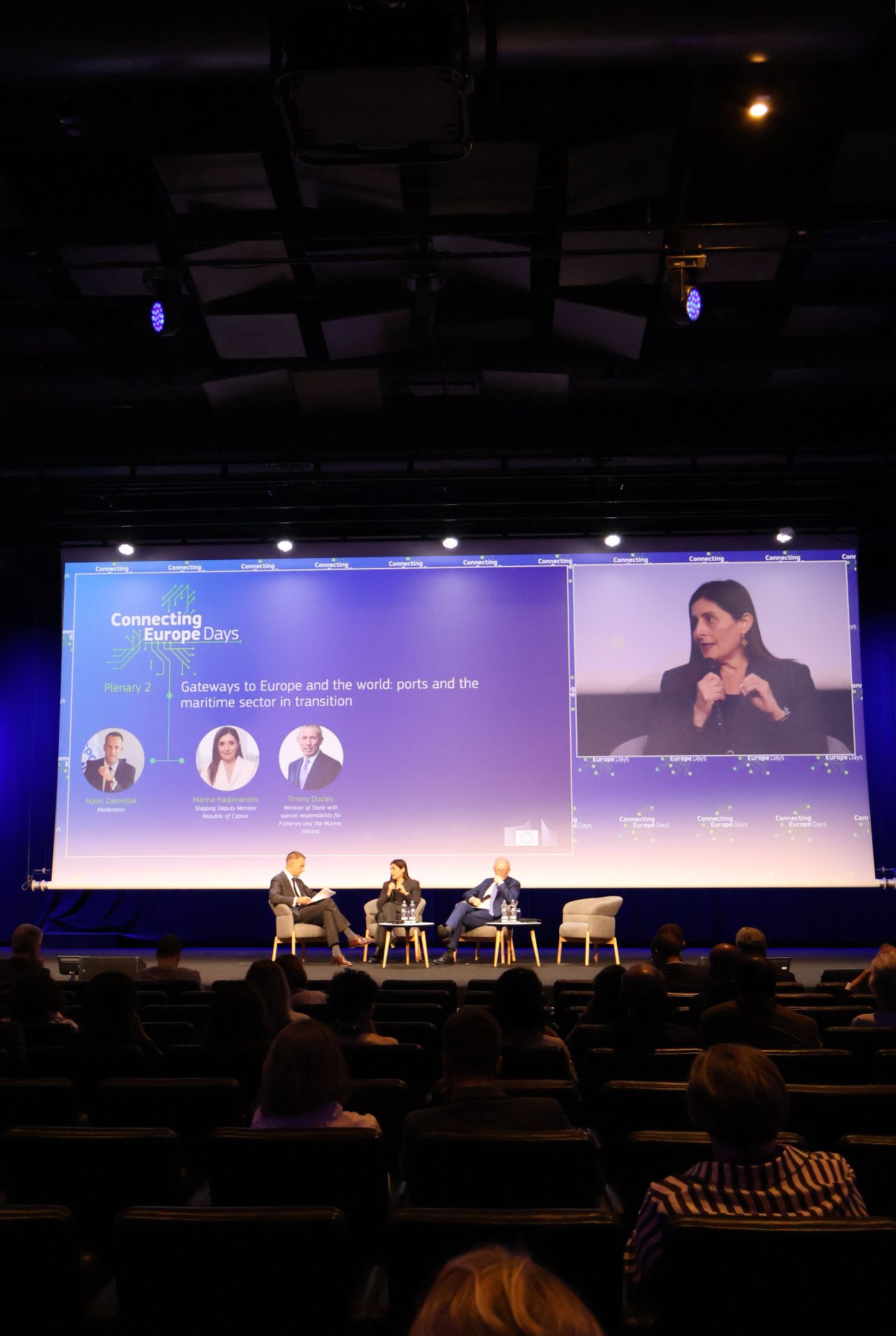
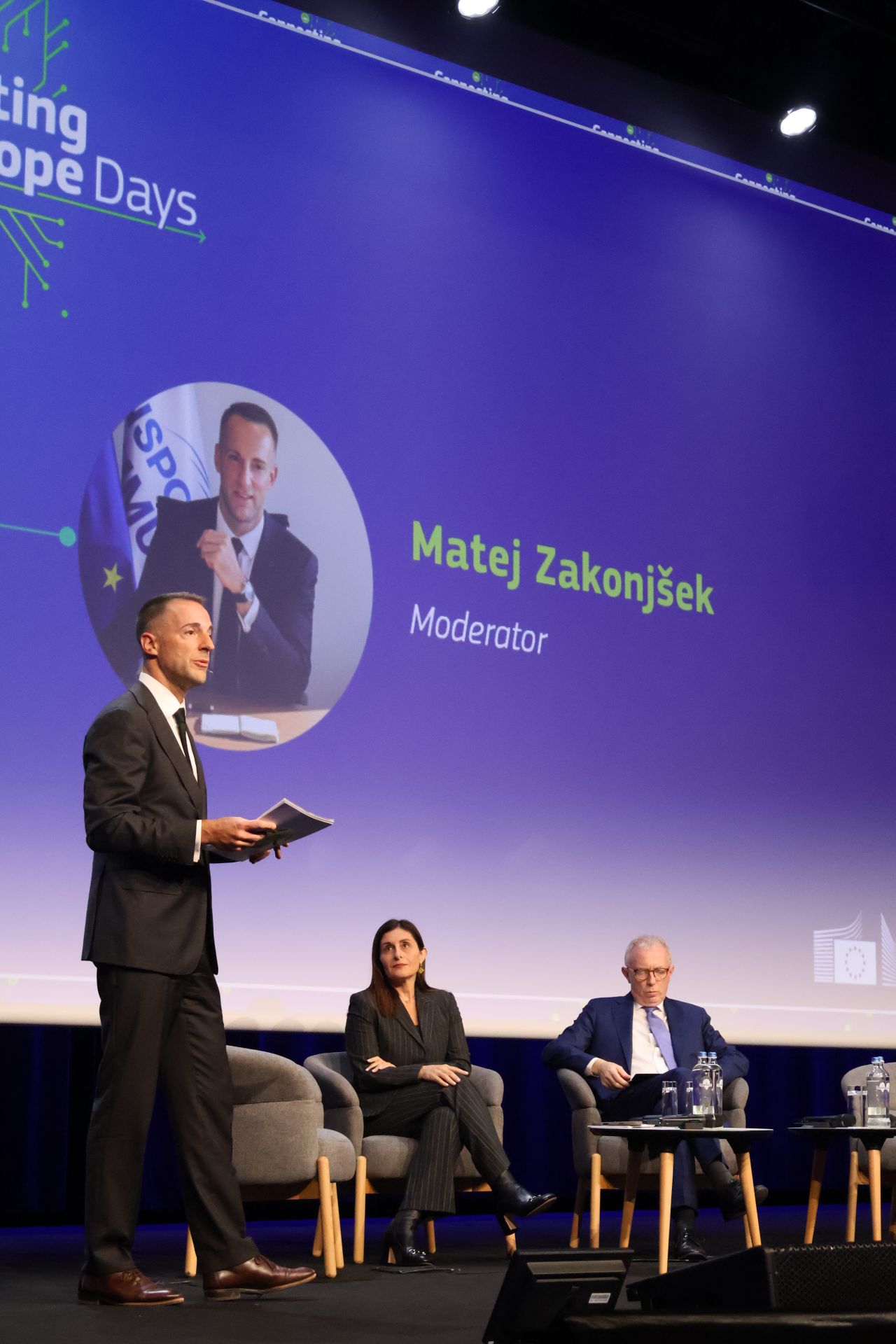
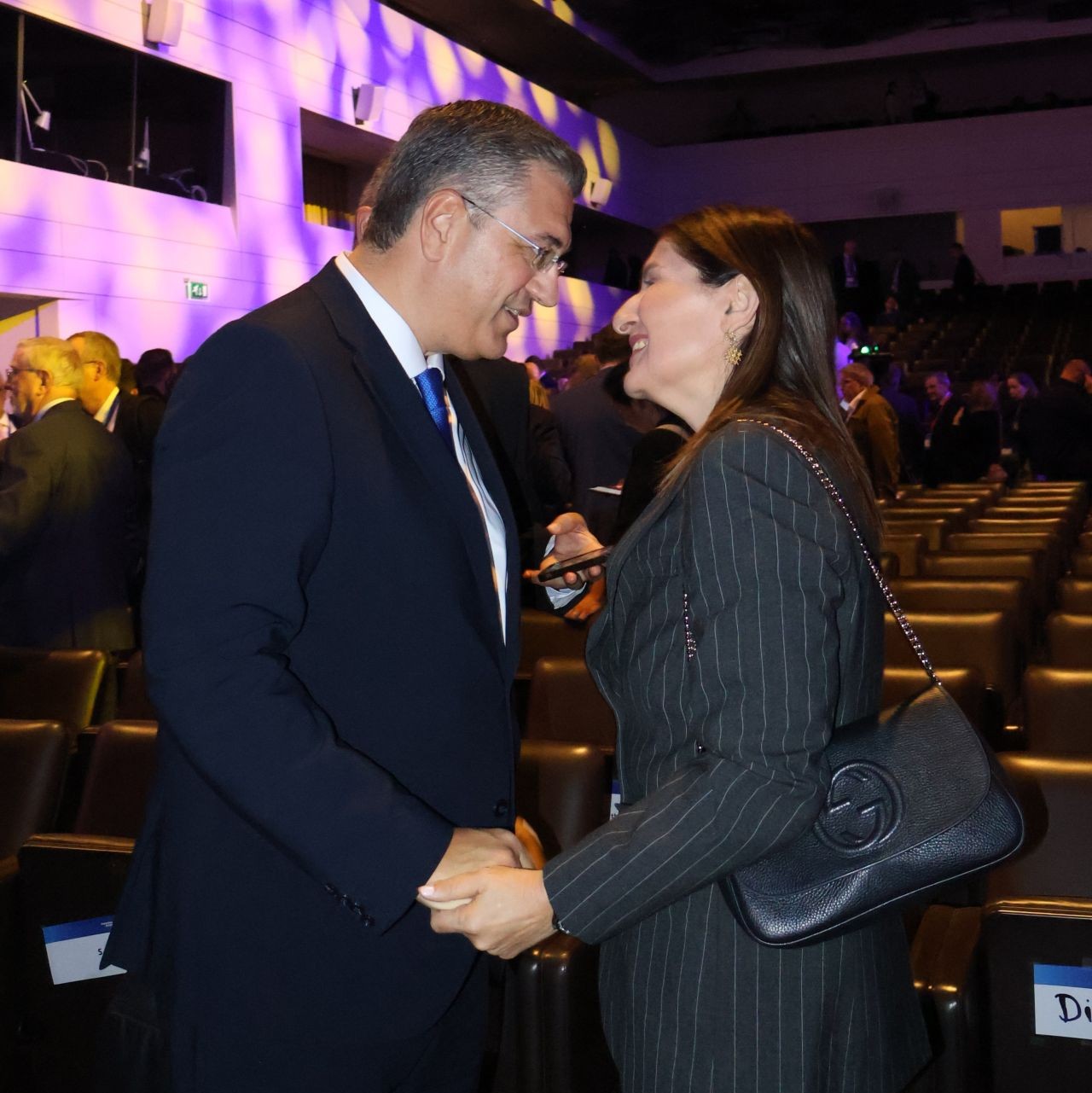
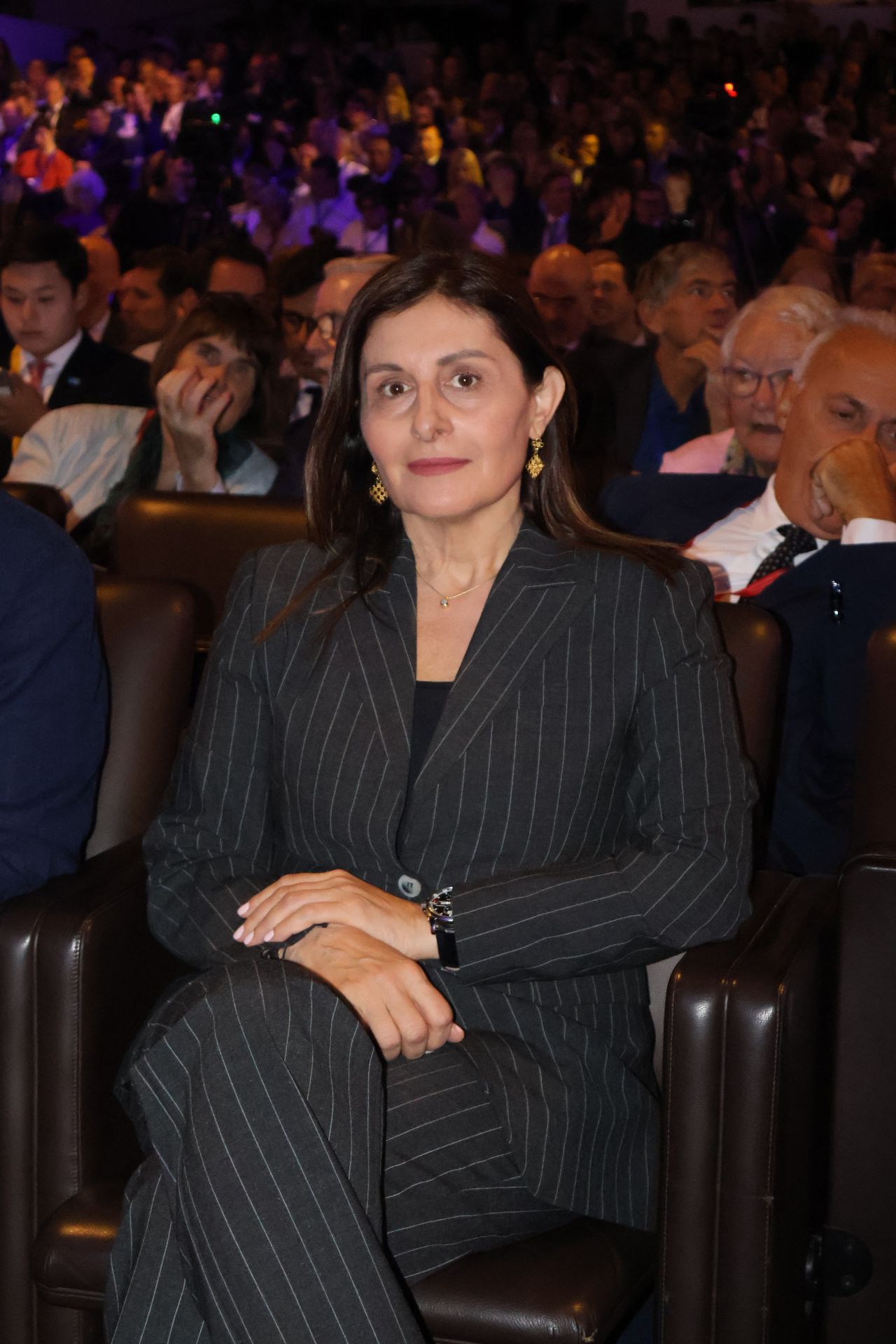
Hadjimanolis took part in the high-level plenary “Gateways to Europe and the World: Ports and the Maritime Sector in Transition” at Connecting Europe Days 2026, following an official invitation from European Commissioner for Sustainable Transport and Tourism Apostolos Tzitzikostas.
The Shipping Deputy Ministry said Hadjimanolis discussed the challenges and prospects facing European shipping alongside Irish Minister of State Timmy Dooley, with the conversation covering geopolitical developments, the energy transition, competitiveness, resilience and decarbonisation.
The debate comes at a particularly significant point for the European maritime sector, as Brussels moves from policy design towards implementation of its new framework for ports, shipping and maritime manufacturing.
The European Commission adopted its EU Ports Strategy and Industrial Maritime Strategy in March, seeking to strengthen Europe’s maritime industrial base while reducing vulnerabilities created by global competition, geopolitical tensions and dependence on shipbuilding capacity outside the bloc.
The strategies place particular emphasis on fleet renewal, clean technologies, shipbuilding capacity, maritime security, digitalisation and access to finance, while seeking to ensure that environmental requirements do not weaken the international competitiveness of European operators.
These priorities formed the basis of Tuesday’s plenary, which the Commission said was intended to examine the implications of the two strategies for Europe’s maritime value chains and infrastructure, particularly the need to reinforce maritime industrial capacity and renew the fleet while supporting both climate objectives and Europe’s economic and security interests.
Industry representatives participating in the session included Pierroberto Folgiero, chief executive of Italian shipbuilder Fincantieri, Andonis Lemos, co-chair of ENESEL Group, Niels den Nijs, chief executive of Titan Clean Fuels, and Ansis Zeltiņš, chief executive of the Freeport of Riga Authority.
The scale of the sector explains why Brussels is putting greater weight behind maritime policy. According to the Commission, European ports handle around 74 per cent of the EU’s external trade, representing approximately 3.4 billion tonnes of goods a year, while almost 395 million passengers pass through them annually.
Ports also provide more than 423,000 direct jobs, while European-controlled shipping accounts for more than a third of global shipping tonnage across the different market segments.
For Cyprus, the debate closely follows priorities the government has been pushing at European level throughout 2026.
During the Cyprus Presidency of the Council of the EU earlier this year, maritime policy formed one of the country’s main priorities, with emphasis placed on maintaining the global competitiveness of European shipping, supporting investment in the green and digital transition and keeping EU maritime regulation closely aligned with international rules developed through the International Maritime Organisation (IMO).
That work also resulted in the Lefkosia Declaration, endorsed by EU maritime ministers in April, which focused on seafarer education and training, reskilling and upskilling for the green and digital transitions and attracting more people, including women, into maritime careers.
Hadjimanolis’ participation in Brussels therefore extends a wider Cypriot push to keep competitiveness at the centre of the European shipping agenda as the sector faces the cost of fleet renewal and decarbonisation alongside growing geopolitical and security pressures.
Connecting Europe Days, running in Brussels from September 28 to October 1, is the European Commission’s flagship transport and mobility event, bringing together policymakers, financial institutions, industry representatives and transport stakeholders.
This year’s programme is centred on the role of transport infrastructure in strengthening European competitiveness, resilience, strategic autonomy and global connectivity, including the protection of critical supply chains and the growing link between civilian transport infrastructure and defence requirements.
The maritime discussion sits within that wider shift, as ports are increasingly viewed not simply as commercial gateways but as strategic infrastructure supporting trade, energy supply, industrial capacity and security.



Click here to change your cookie preferences