
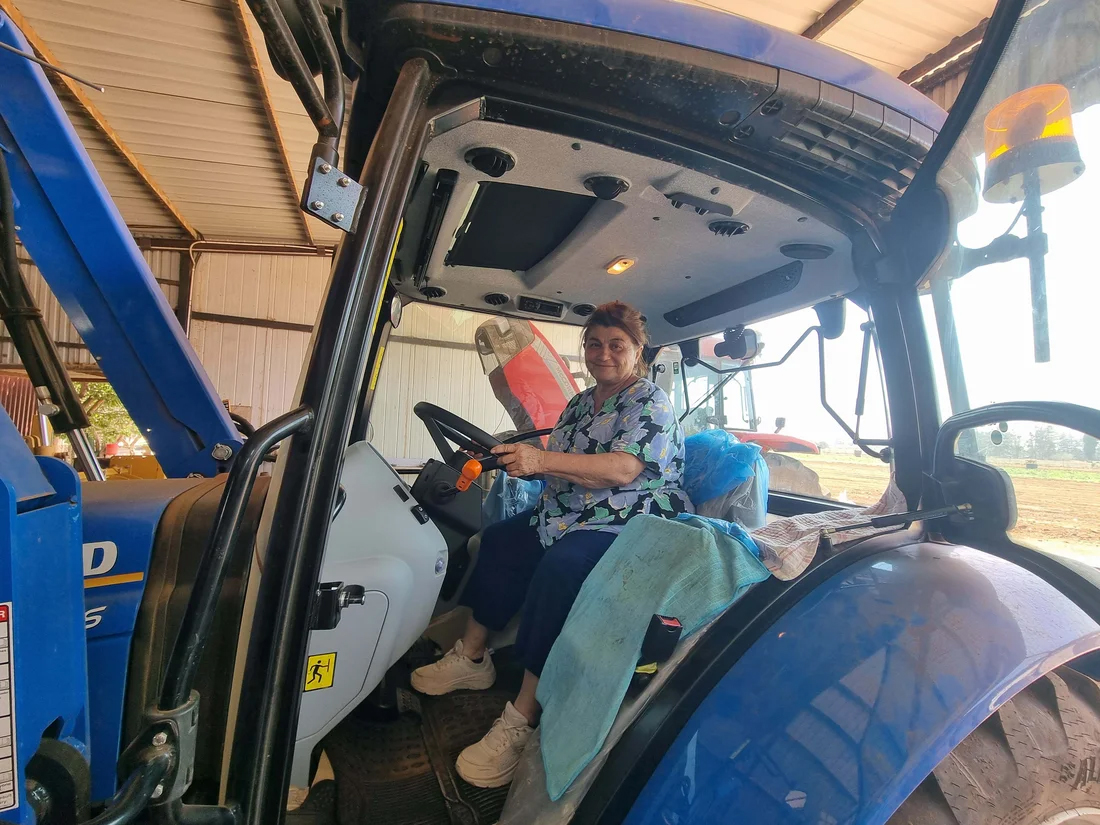
Further support measures to facilitate access to financing and sustainable investments for the agriculture sector were announced on Saturday by Agriculture Minister Christos Senekis.
Speaking at the Contribution of Rural Women event, Senekis said a broad consultation with the agricultural community would take place for the planning of the new agricultural policy after 2027 on October 8 with the participation of rural women.
Senekis said the ministry aimed to create conditions for the inclusion of women and their knowledge and experience so that it could be transformed into increased employment and development opportunities on the countryside.
“Our responsibility is to support this momentum and ensure that the opportunities created are also accessible to women who want to take the next step,” he said.
Referring to the planned measures, Senekis said these were not merely a matter of equality but part of a wider plan to revive rural areas and support their productivity.
Senekis said the strategic plan of the Common Agricultural Policy from 2023 to 2027, amounting to €454 million, aimed to support investments, as well as the modernisation of agricultural holdings and young people who choose to work in the primary sector.
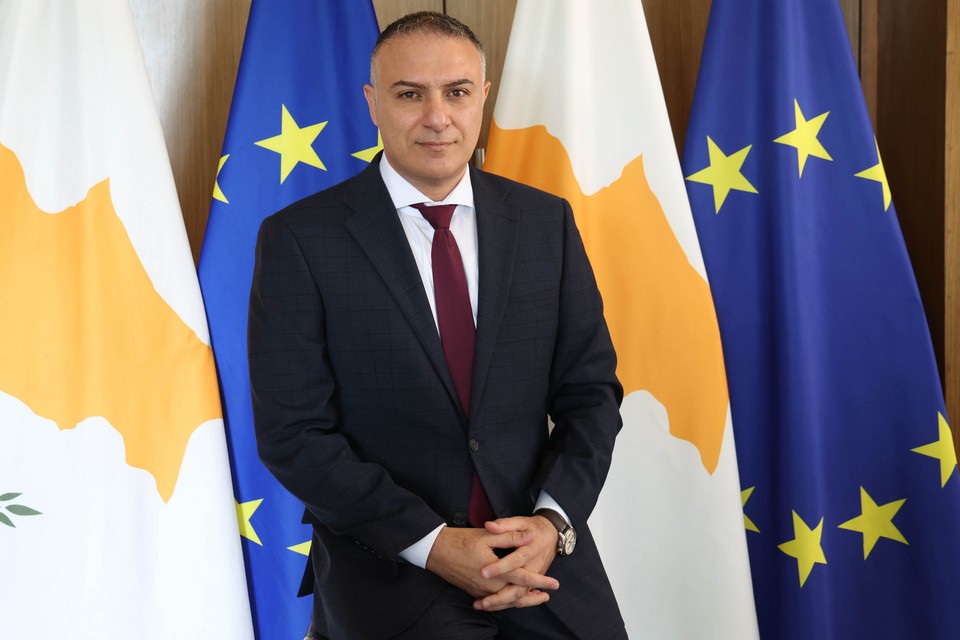
According to the minister, more than 1,200 applications were submitted to take part in the recent large scale investment measure with the requested amount of funding amounting to approximately €200 million and an additional 267 applications received for the support scheme of young farmers.
Senekis referred to the European Union’s LEADER programme, designed to foster rural growth through community-driven planning, which he said was an important tool for mountainous and rural communities as it supports initiatives that are created by the communities.
The minister specifically mentioned the village of Agros, highlighting how knowledge is passed down through the generations, such as the use of roses and the production of rose water, as well as the preparation of spoon sweets and cold cuts.
He said these traditions had evolved into a productive activity that stretches beyond the boundaries of the village, noting that the roses of Agros have gained European recognition as protected geographical indications along with the local Choiromeri, Lountza and Pitisilias sausages.
“These products link quality with origin and give the region a recognisable productive identity, with women having and continuing to have a significant share in this process,” he said.
Concluding his remarks, Senekis acknowledged that rural policies could only be effective if they addressed the “real needs” of the local population and assured that the ministry would maintain close contact with producers and business owners in rural areas, who have first-hand experience of the challenges and requirements of everyday life.



Click here to change your cookie preferences