
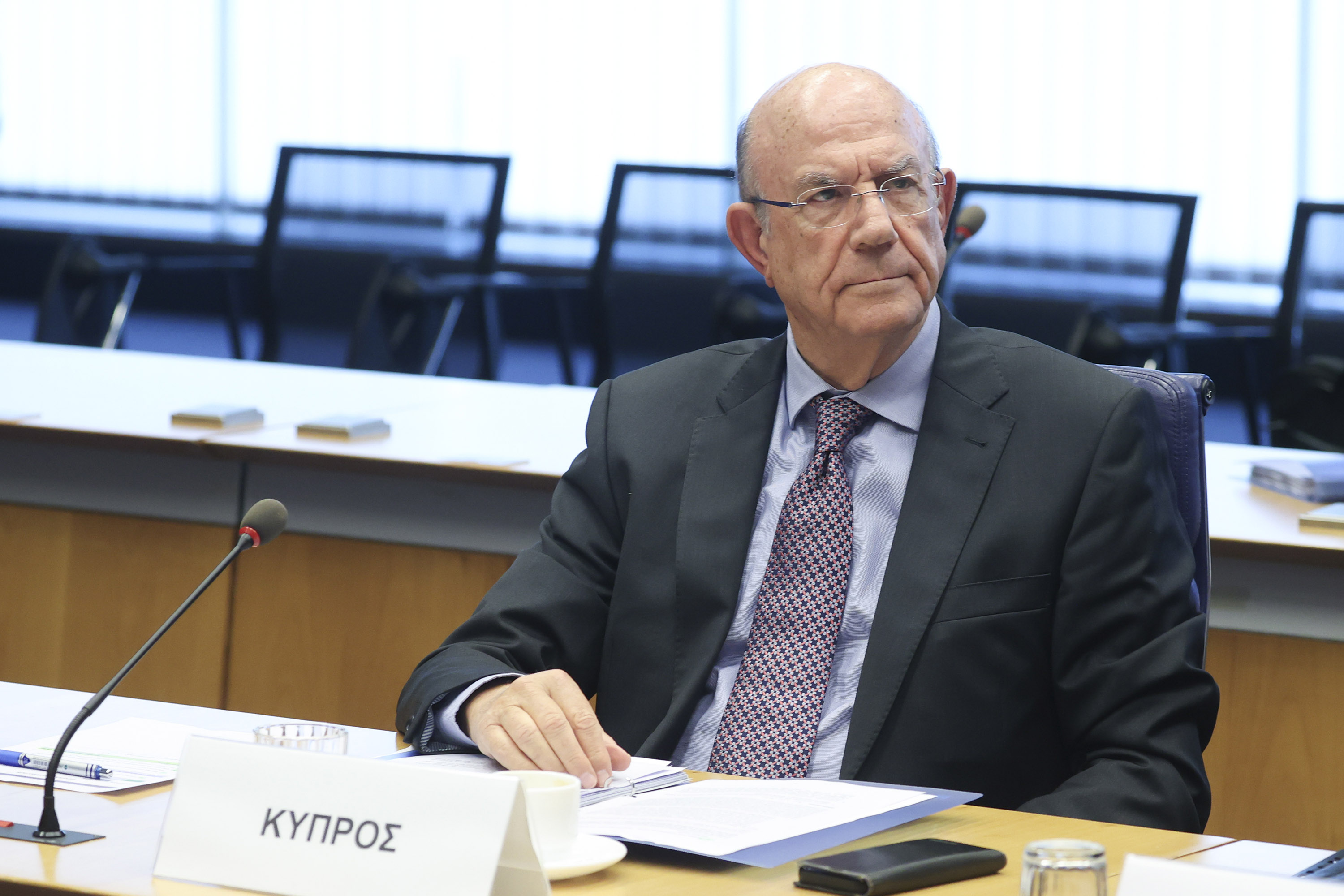
Finance Minister Makis Keravnos on Friday called for greater flexibility in EU fiscal rules to allow member states to increase spending and support households and businesses struggling with inflation and the energy crisis.
Speaking ahead of the Ecofin meeting in Luxembourg, Keravnos expressed confidence that the European Commission would respond to calls from member states for greater flexibility in economic governance.
“There is a very serious need for action, solutions and support for our citizens and businesses,” he said.
“We cannot remain within an economic governance framework that does not take into account inflation, which is rising rapidly at this time. I expect further discussion and a solution to be found.”
Keravnos warned that escalating military conflicts and the worsening energy crisis were placing increasing pressure on households and businesses, with consequences extending beyond the economy.
“The energy crisis has reached its peak, threatening our households and businesses, not to mention democracy itself,” he said.
He acknowledged that some EU countries held different views on fiscal flexibility but said there was growing recognition that the energy crisis was a structural problem requiring long-term solutions.
The European Commission, he argued, must address the underlying causes of the crisis rather than focus solely on short-term financial support.
Alongside measures to boost household incomes, he called for investment in the infrastructure needed to address energy challenges permanently.
Keravnos also expressed support for the positions outlined in letters sent by Greek Prime Minister Kyriakos Mitsotakis and Italian Prime Minister Giorgia Meloni to European Commission President Ursula von der Leyen.
He said Cyprus supported the direction of the proposals, which seek greater flexibility in responding to economic and energy pressures.
Asked about Greece’s August proposal for additional fiscal flexibility beyond defence spending, Keravnos said it could provide immediate relief to some member states but would not be sufficient on its own.
“Broader thinking is needed on how we will address the energy crisis,” he said.
Turning to discussions on the future governance of the European Securities and Markets Authority (ESMA), Keravnos welcomed a compromise proposal put forward by the Irish Presidency, building on work carried out during Cyprus’ EU Council presidency.
He said Cyprus supported the proposal, describing it as the result of negotiations aimed at reaching an agreement.
Keravnos said discussions during Thursday evening’s dinner following the Eurogroup meeting had been constructive, although some differences remained over ESMA’s governance structure.
He added that the Irish presidency’s proposal included exemptions that had been accepted by a majority of member states.
“The most serious issue that remains is the governance of ESMA,” he said, expressing hope that an agreement could be reached during Friday’s discussions.


Click here to change your cookie preferences