
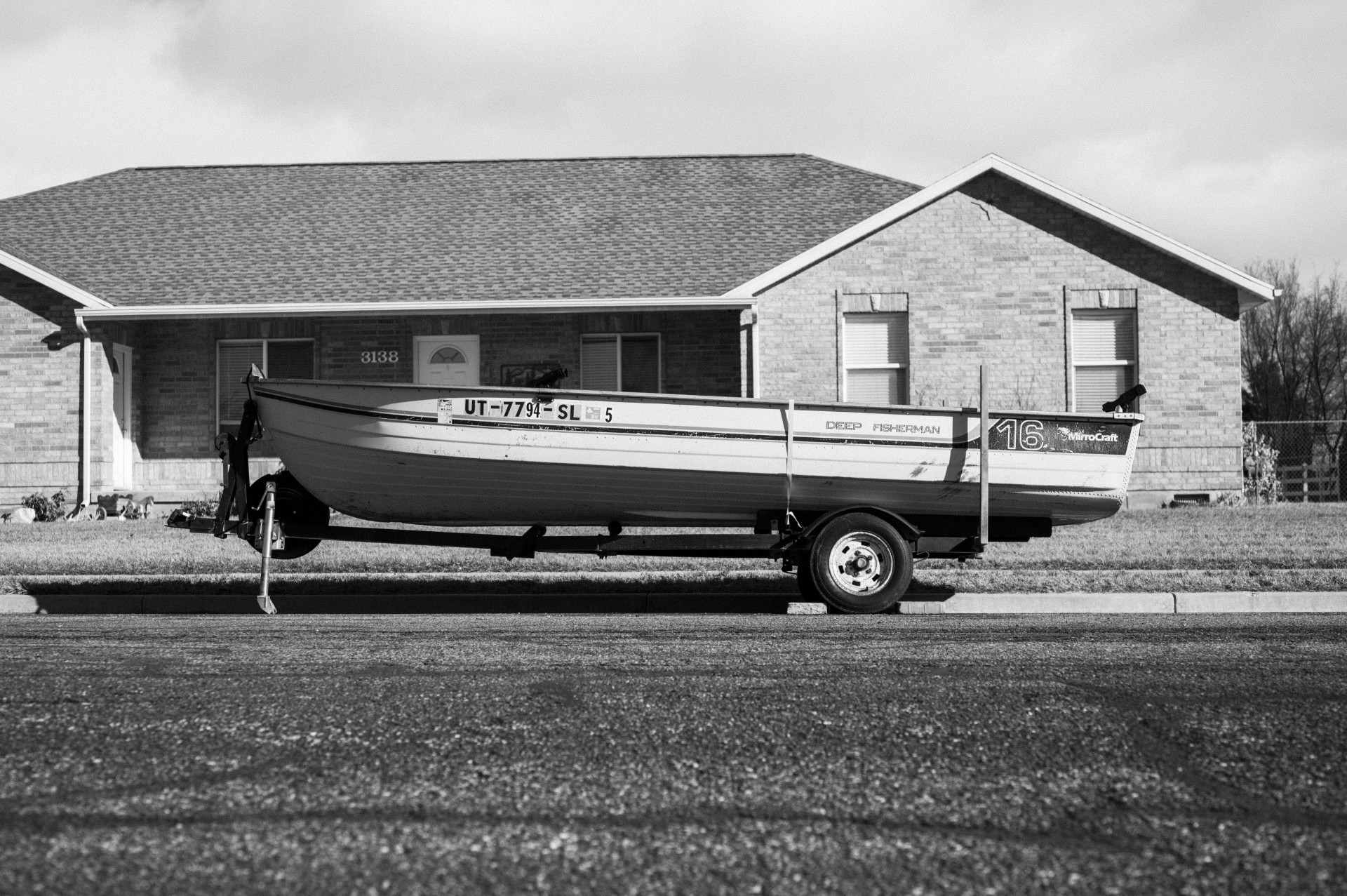
Take a drive through just about any suburb and you’ll see it. A boat trailer eats up half the driveway. An RV sits on the street because there’s no way it’s fitting in the garage. It’s such a common sight now that most people barely notice it, but for the homeowners dealing with it, what started as a small annoyance has turned into a real problem.
A lot of it comes down to simple math. Plenty of people bought RVs, boats and trailers over the past few years, but their homes were never designed with room for one more large vehicle. Eventually, something has to give.
The Driveway Problem Nobody Saw Coming
Homeowners associations have noticed. Many now limit how long a recreational vehicle can stay on residential property, and some ban it completely after a day or two. Insurance can also be a factor, since some providers charge more when a vehicle sits outside in the elements all year. That’s an expensive mistake, and one that’s easy to avoid.
How Off-Site Storage Works
Most dedicated storage facilities run on month-to-month leases, so there’s no long-term contract to worry about. You book a space online, drive in, and leave your vehicle behind a secure gate rather than in front of your house.
Covered vs. Uncovered
Uncovered lots are usually the most affordable option and work well if you don’t mind a bit of weather exposure. Covered spaces give you a roof overhead without walls. Fully enclosed units offer the best protection, though they cost more each month.
Security and Access
Gated entry and video surveillance are pretty much standard at most facilities now. You can generally get to your vehicle whenever you need it, which really counts once boating or camping season kicks off.
What It Means for Vehicle Owners
Getting the boat or RV off your property can head off HOA disputes before they even begin. It can also help protect resale value, because sun and rain damage are among the biggest reasons vehicles lose value over time. Depending on your policy, you might even see your insurance costs come down a little.
Picking the Right Storage Option
Location is just as important as price. A facility close to the lake you visit most or near a highway you use often will save you time on every trip. Providers like RecNation Storage offer dedicated vehicle parking storage for owners who’d rather not have oversized vehicles sitting on their property, with options ranging from open lots to enclosed, individually locked units.
It’s also worth thinking about how often you actually use the vehicle compared to the convenience of keeping it at home. If you only take it out seasonally, a short drive to a storage lot may be a fair trade for having your driveway back.
Final Thoughts
As more neighbourhoods tighten the rules on what can sit in a driveway, off-site vehicle storage is shifting from a niche option to the obvious one. If you’re thinking about buying an RV or boat, look into storage before it arrives, not after the first letter from your HOA lands in your mailbox.
DISCLAIMER – “Views Expressed Disclaimer – The information provided in this content is intended for general informational purposes only and should not be considered financial, investment, legal, tax, or health advice, nor relied upon as a substitute for professional guidance tailored to your personal circumstances. The opinions expressed are solely those of the author and do not necessarily represent the views of any other individual, organization, agency, employer, or company, including NEO CYMED PUBLISHING LIMITED (operating under the name Cyprus-Mail).




Click here to change your cookie preferences