
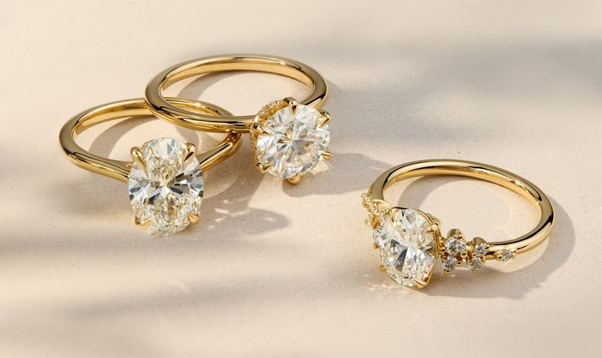
A lab-grown diamond is a real diamond. It has the same carbon, the same crystal structure and the same fire when it catches the light at dinner. What changes is where it comes from, and that one difference shapes almost every decision you’ll make when buying a ring.
Real diamonds, made in weeks rather than millennia
Lab-grown diamonds are produced in one of two ways. High pressure, high temperature (HPHT) recreates the crushing conditions deep inside the earth. Chemical vapour deposition (CVD) builds a diamond layer by layer from carbon-rich gas. Either way, a stone that would take nature a billion years or so can be grown in a few weeks.
The results are good enough that specialist jewellers have built whole collections around them. Cullen Jewellery, an Australian jeweller whose rings are designed in Melbourne and crafted by its own team of jewellers, is one example, and its growth says a lot about how quickly couples have embraced these stones. Even trained gemmologists need specialised equipment to tell a lab-grown diamond from a mined one. Your friends at brunch won’t stand a chance.
Where your budget goes further
Here’s the part that gets most people’s attention. A lab-grown diamond typically costs a fraction of a mined stone of similar size and quality, often somewhere between 60 and 80 per cent less.
That gap gives you options. Some couples go up a carat. Others put the savings into a better setting, a matching wedding band, or a deposit on a house. All of those are sensible choices.
Think of a lab-grown diamond as something to wear and treasure rather than resell. Choose it for how it looks on your hand, and you’ll get full value from it every day.
Reading the grading report
Every quality lab-grown diamond should come with an independent grading report, usually from the International Gemological Institute (IGI) or the Gemological Institute of America (GIA). The report confirms the stone is lab-grown and records its characteristics. Many stones also carry a tiny laser inscription on the girdle that matches the report number, so you can check the paperwork belongs to the diamond in your hand.
Cut first, carat second
Of the four Cs, cut does the most for sparkle. A well-proportioned stone bounces light back to your eye; a poorly cut one leaks it out the bottom and looks glassy. In practice, an excellent-cut 1.5 carat diamond will often look brighter and livelier than a mediocre 2 carat one. If you’re choosing where to spend, cut is the safest bet.
Colour and clarity matter less than many buyers expect. A G or H colour stone looks beautifully white once it’s set in a ring, and a VS2 clarity diamond is clean to the naked eye.
The sustainable case for lab-grown diamond engagement rings
Lab-grown diamonds skip mining entirely, so there’s no open-cut pit and far less disturbance to land and water. That appeals to plenty of couples who want their ring to reflect how they live.
Growing diamonds does use a lot of energy, though, and the footprint depends heavily on where that power comes from. The most sustainable producers use renewable energy or offset their emissions, and some jewellers go further by planting trees or running precious metal recycling programmes. Pair a lab-grown stone with recycled gold or platinum for the band and you’ve got a ring with a genuinely smaller impact.
The single most useful thing you can do is simple: ask to see the grading report before you see the ring. A jeweller who hands it over straight away, and happily explains every line, is almost always one worth buying from.
DISCLAIMER – “Views Expressed Disclaimer – The information provided in this content is intended for general informational purposes only and should not be considered financial, investment, legal, tax, or health advice, nor relied upon as a substitute for professional guidance tailored to your personal circumstances. The opinions expressed are solely those of the author and do not necessarily represent the views of any other individual, organization, agency, employer, or company, including NEO CYMED PUBLISHING LIMITED (operating under the name Cyprus-Mail).



Click here to change your cookie preferences