
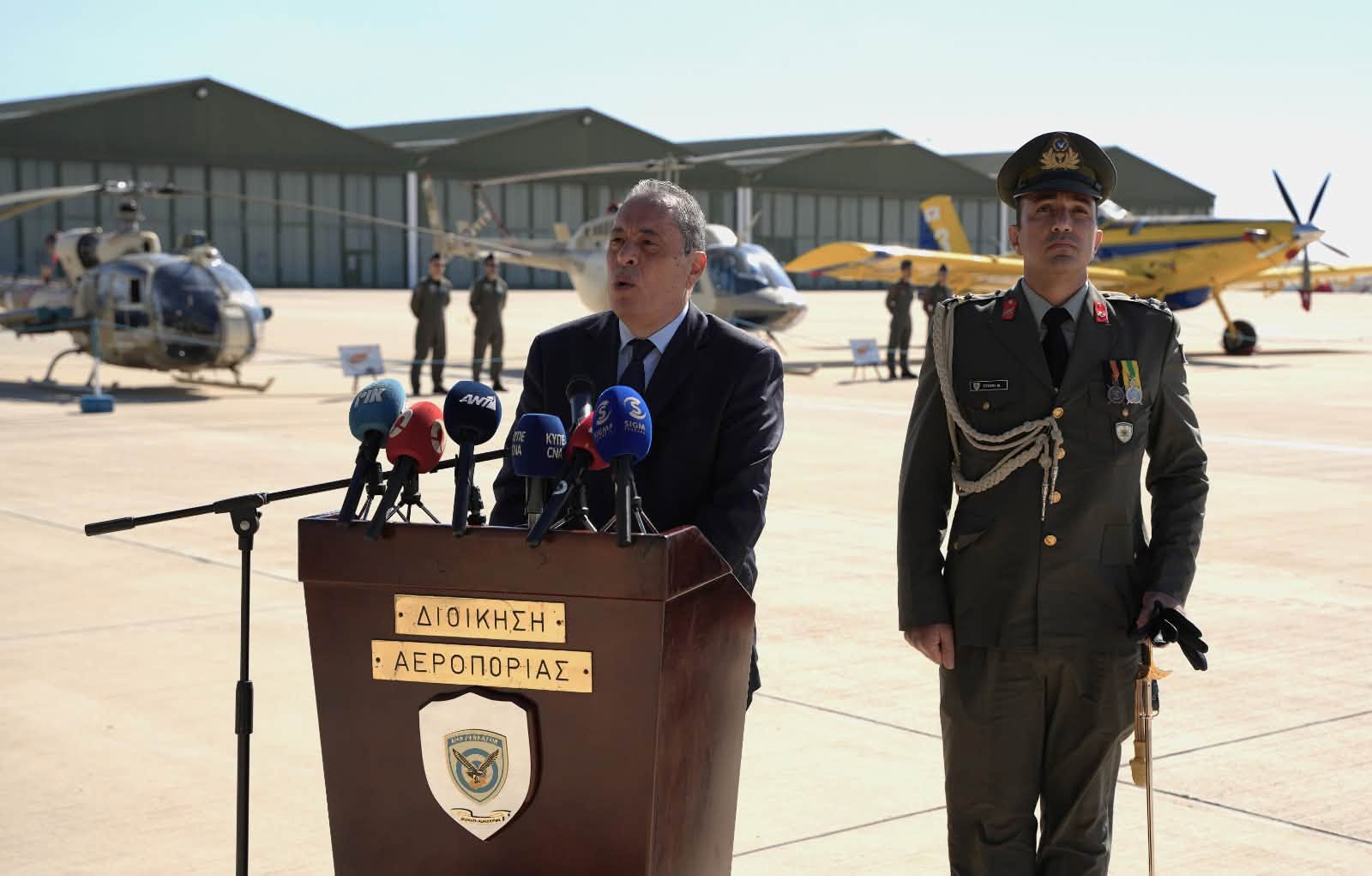
Demining the green line in Cyprus is “highly political”, Defence Minister Vasilis Palmas said on Sunday, adding that depending on developments and discussions that will take place about the Cyprus problem, the government may adapt its policy on military issues.
Speaking at the Andreas Papandreou air base in Paphos, where he represented the president at the celebration for the patron saint of the air force, expressed the hope there would be positive developments in the ongoing talks.
He described his recent meeting in Paris with his French counterpart Catherine Votrin as “extremely good”.
He underlined the importance of bilateral relations between Nicosia and Paris in the defence and political sectors.
During the meeting, there was a review of the Sofa bilateral agreement, which was signed on June 8.
He said the signing of a Sofa agreement between two states demonstrates that their relations are at a particularly high level.
As part of his latest meeting, the two sides updated the agreement and agreed on the next steps of their cooperation, which include issues of training, exercises and mutual information on geopolitical issues concerning the region, he said.
Strengthening Cyprus defence
In his greeting in Paphos, Palmas referred to the importance of strengthening the defense capabilities of Cyprus, especially in light of the modern and ever-changing security environment and the increased geopolitical challenges in the Eastern Mediterranean.
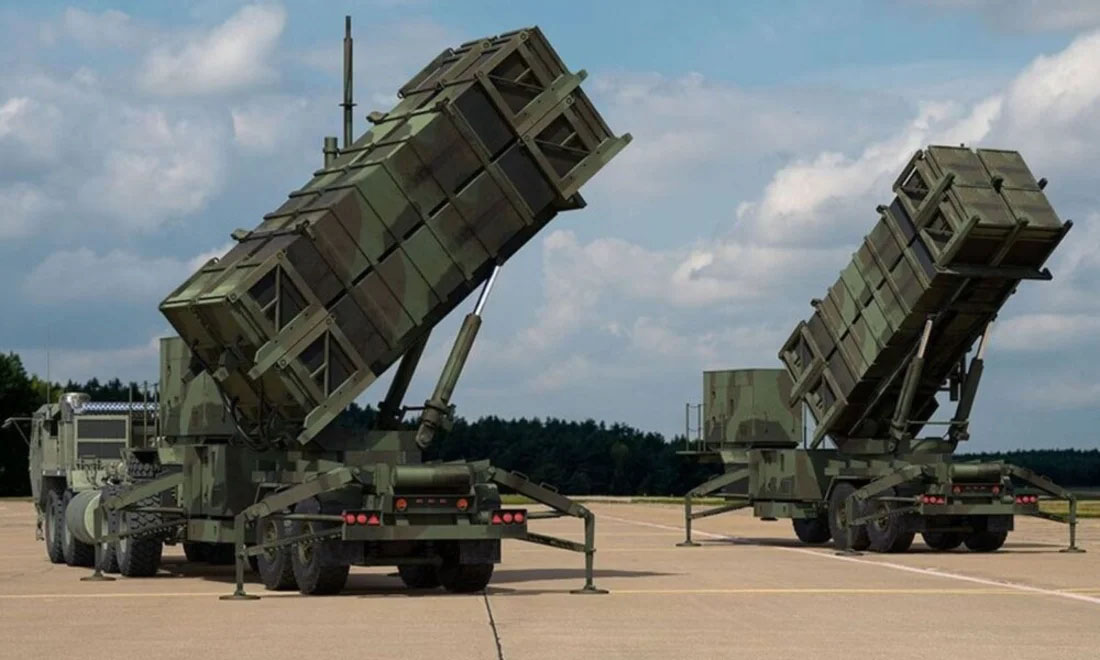
He said the ministry is promoting a series of measures and initiatives, both through the government’s armament programme and through the European Safe programme, with the aim of acquiring modern systems and strengthening the country’s defence capabilities.
The upgrade and modernisation of the Andreas Papandreou air base, as well as the naval base in Mari, is progressing, with the aim of improving operational readiness and more effective support for air and naval missions, he added.
Palmas said the strengthening of the defence capability of Cyprus does not only serve national needs, “but can contribute more broadly to the security and stability of the Eastern Mediterranean”.
He placed particular emphasis on the role of human resources, noting that no defense capability, no matter how modern and advanced, can perform without properly trained and trained personnel.
Investing in human resources is a key priority, Palmas said, with emphasis on continuous training and specialisation, upgrading knowledge and skills and creating appropriate conditions for professional development for members of the air force and the National Guard in general.

Click here to change your cookie preferences