
Cyprus’ Search and Rescue Coordination Centre (JRCC) on Wednesday filed an anti-Navtex to counter one issued by Turkey the previous day relating to the Great Sea Interconnector (GSI) project.
An anti or counter Navtex is an official maritime radio broadcast issued by a country to formally reject, dispute or declare invalid a previous Navtex message transmitted by another nation.
The JRCC said Turkey’s Navtex 352/26 “has not been made in coordination with the competent authorities of the Republic of Cyprus.”
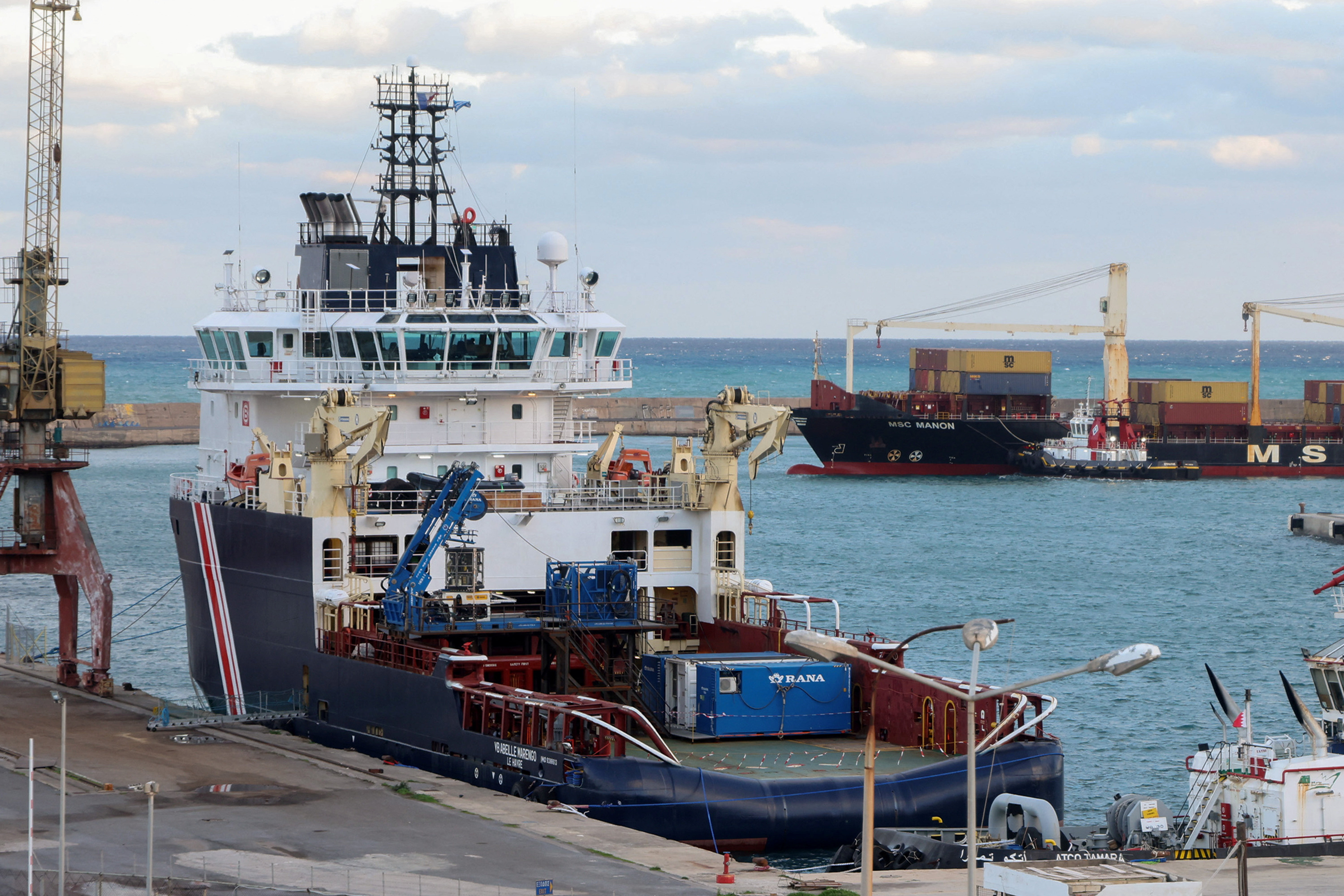
The research activities to be carried out by the French research vessel Abeille Marengo within the EEZ and continental shelf of Cyprus have been authorised based on the license 05/2026 of the Republic of Cyprus and published with the navigational warning 345/26 of the Larnaca JRCC, a statement added.
“The only approved station in the Navtex area of responsibility of the Republic of Cyprus is the Larnaca centre,” it said.
Government spokesman Konstantinos Letymbiotis said on Tuesday night that Turkey’s Navtex was “of no consequence.
“Greece and Cyprus are the only countries to which a request for permission for work to be carried out was submitted, and they are the countries which issued the permits in question,” he told the Cyprus Mail.
He added that it was pursuant the issuing of those Navtexes, and not the Turkish Navtex, that the Abeille Marengo left the port of Heraklion, in Crete on Tuesday night, with the aim of carrying out those surveys, and that it was following the issuing of those two Navtexes that “the vessel’s exact route became known”.
He also said that the Turkish Navtex made no mention of any ‘granting of permission’, as no such request was ever submitted to the Turkish side.”
The Abeille Marengo will carry out surveys of the seabed in the Greek and Cypriot EEZ as part of work to create the Great Sea Interconnector that will link the island to Greece’s electricity grid.





Click here to change your cookie preferences