
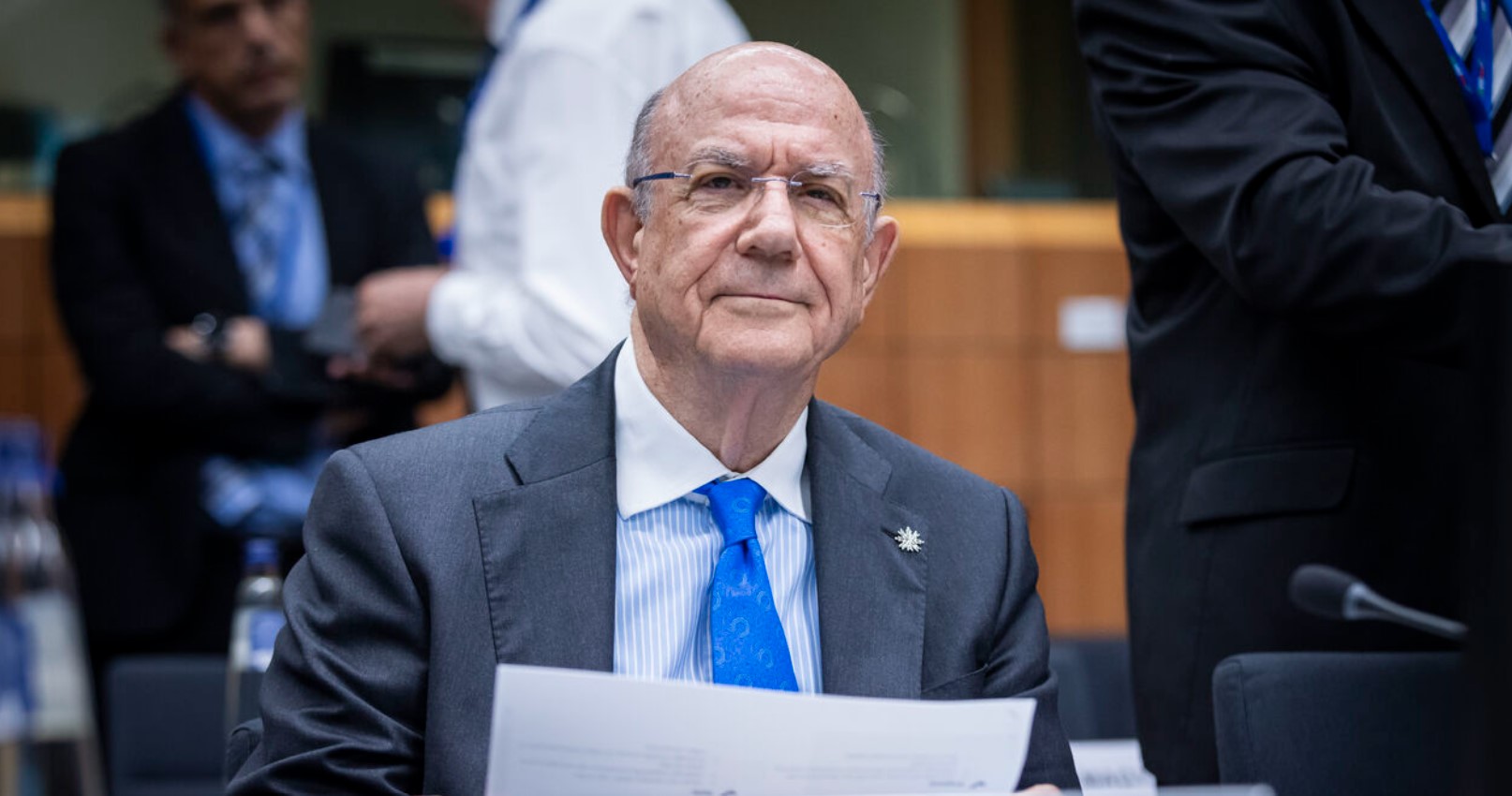
The European Union’s cohesion policy must remain robust, and red tape must be cut so that funds are more easily accessible to eligible beneficiaries, Finance Minister Makis Keravnos said on Monday.
The Cypriot minister was addressing the General Affairs Council on Cohesion held in Brussels.
Keravnos said European citizens are concerned and struggle daily to address the challenges arising from the global energy crisis and inflationary pressures.
“Cohesion Policy can provide answers to the problems facing Europeans. It is a policy directly linked to competitiveness, productivity, growth and addressing social challenges.”
He added: “Cohesion Policy must remain strong within the framework of the new Multiannual Financial Framework. In my view, cuts have reached a certain point, and cannot go any further.”
The General Affairs Council is a configuration of the Council of the European Union that coordinates cross-sectoral EU policies, prepares European Council summits, and handles multi-policy files like enlargement, rule of law, and the EU’s long-term budget (Multiannual Financial Framework).
Cohesion funding is designed to reduce economic, social, and territorial disparities across member states. It represents more than one-third of the total current 2021-2027 EU budget amounting to €392 billion – making it one of the largest components of the Multiannual Financial Framework.
On Monday, EU ministers also approved Council conclusions on a new strategic vision for the EU’s outermost regions. These territories face challenges ranging from geographical isolation and high transport costs to extreme weather and dependence on a handful of economic sectors.
Around five million people live in these regions, where economic disparities remain stark. According to the European Commission, eight of the EU’s nine outermost regions have GDP per capita below 75 per cent of the EU average.




Click here to change your cookie preferences