
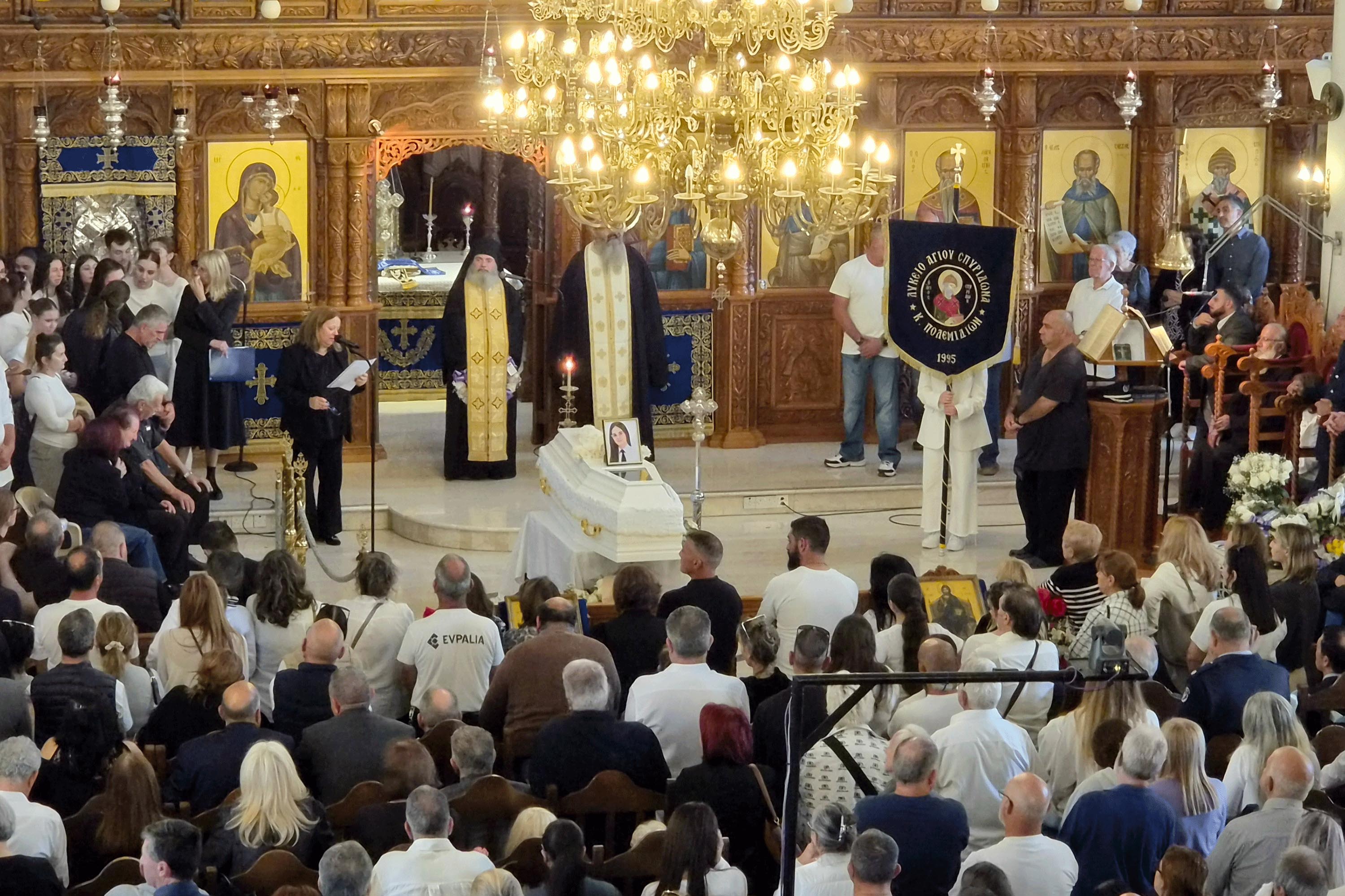
Police sources told the Cyprus Mail on Thursday that a forensic pathologist was repeatedly asked to attend the scene of the death of a 17-year-old girl in Kakopetria, disputing claims by the head of the forensic service that a joint decision had been taken not to attend.
“The officer in charge called the forensic pathologist and informed him that he should attend the scene. He asked a number of questions and said he would not attend. By the third or fourth call, he said they would not be coming,” the sources said.
Stressing the importance of an on-site examination, the sources questioned how the forensic pathologist could subsequently reach conclusions without having visited the scene.
“A police officer is not a doctor,” they said.
Under existing police protocol, the sources explained, if an investigating officer considers the circumstances surrounding a death to be suspicious, this must be communicated to the forensic pathologist, who is then required to attend the scene.
Speaking earlier on Omega TV, head of the forensic service Dr Angeliki Papetta maintained that the decision not to send a pathologist to Kakopetria had been taken jointly with police, following information provided by officers at the scene.
According to Papetta, police had informed the forensic pathologist on duty that their examination of the room where the teenager was found had yielded no suspicious findings and that there were no apparent external injuries to her body.
“There was absolutely no question at that point, nor any finding that required forensic interpretation,” she said.
Papetta rejected suggestions that her colleague had refused to attend the scene, maintaining that the decision followed a discussion with the officer in charge of Morphou CID.
“The police have the primary role at the scene. From there, the police must inform their collaborator, the forensic pathologist, provide the necessary information and put their questions to the pathologist,” she said.
She explained that consideration must be given to whether such questions could be answered scientifically and with sufficient evidence through an examination of the scene alone, without a post-mortem, as doing so carried certain risks.
Papetta also denied having personally received a call from Morphou police that night, defending her colleague’s handling of the case as consistent with the protocols followed by the service.
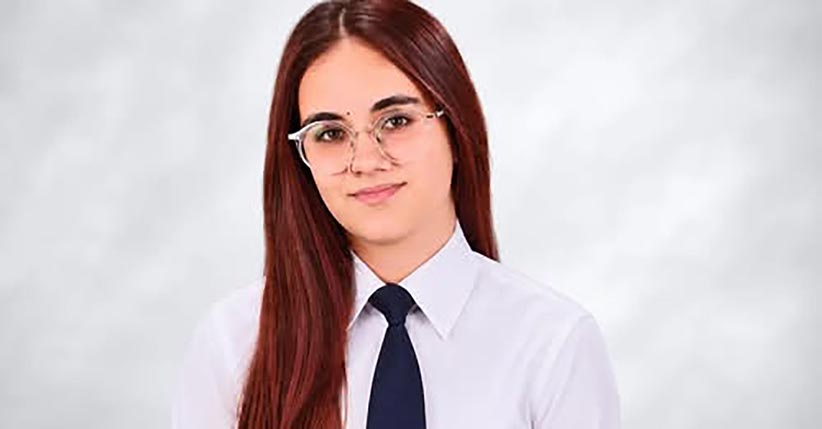
Her account was subsequently challenged on the same television programme by Morphou police director Nathanael Demetriou, who said the investigating officer had contacted the forensic pathologist four times, having deemed his presence necessary.
“Why did he contact him at midnight? Obviously, because his presence at the scene was deemed necessary,” Demetriou said.
He clarified that it was the pathologist on duty who had informed police that he had spoken to Papetta before communicating his decision not to attend.
“We act on the basis of police protocol, under which we required the presence of the forensic pathologist,” he added.
The conflicting accounts have also brought into focus the absence of a formal agreement governing cooperation between the police and the forensic service, despite efforts to establish one dating back to early 2025.
“What does not exist is a memorandum of cooperation between the police and the forensic service,” Papetta said.
According to her, a decision to draw up such a memorandum was taken in February 2025 between the health and justice ministries and the legal service, with the latter tasked with coordinating the process.
The forensic service submitted its proposals, together with its revised protocols, to the legal service in April 2025 for further consultation with police and the other authorities involved.
Papetta also described the existing Coroners Law as outdated, noting that it makes no specific reference to forensic pathologists and instead refers generally to licensed medical practitioners conducting post-mortem examinations.
The health ministry and the forensic service, in cooperation with the commissioner for legislation and other competent authorities, have been working towards modernising the legislative framework, she said.
Meanwhile, staffing shortages continue to affect the operation of the forensic service, which has been operating with just three forensic pathologists and one mortuary technician since 2021.
Papetta attributed the decision to centralise all post-mortem examinations in Nicosia to limited personnel and an increase in the number of cases, saying centralisation allowed for better oversight and easier access to the necessary facilities and examinations.
Police sources told the Cyprus Mail that the justice and health ministers are expected to meet on December 2, with matters concerning cooperation between the services among the issues to be discussed.
Police are meanwhile awaiting the results of examinations conducted in connection with the teenager’s death.

Click here to change your cookie preferences