
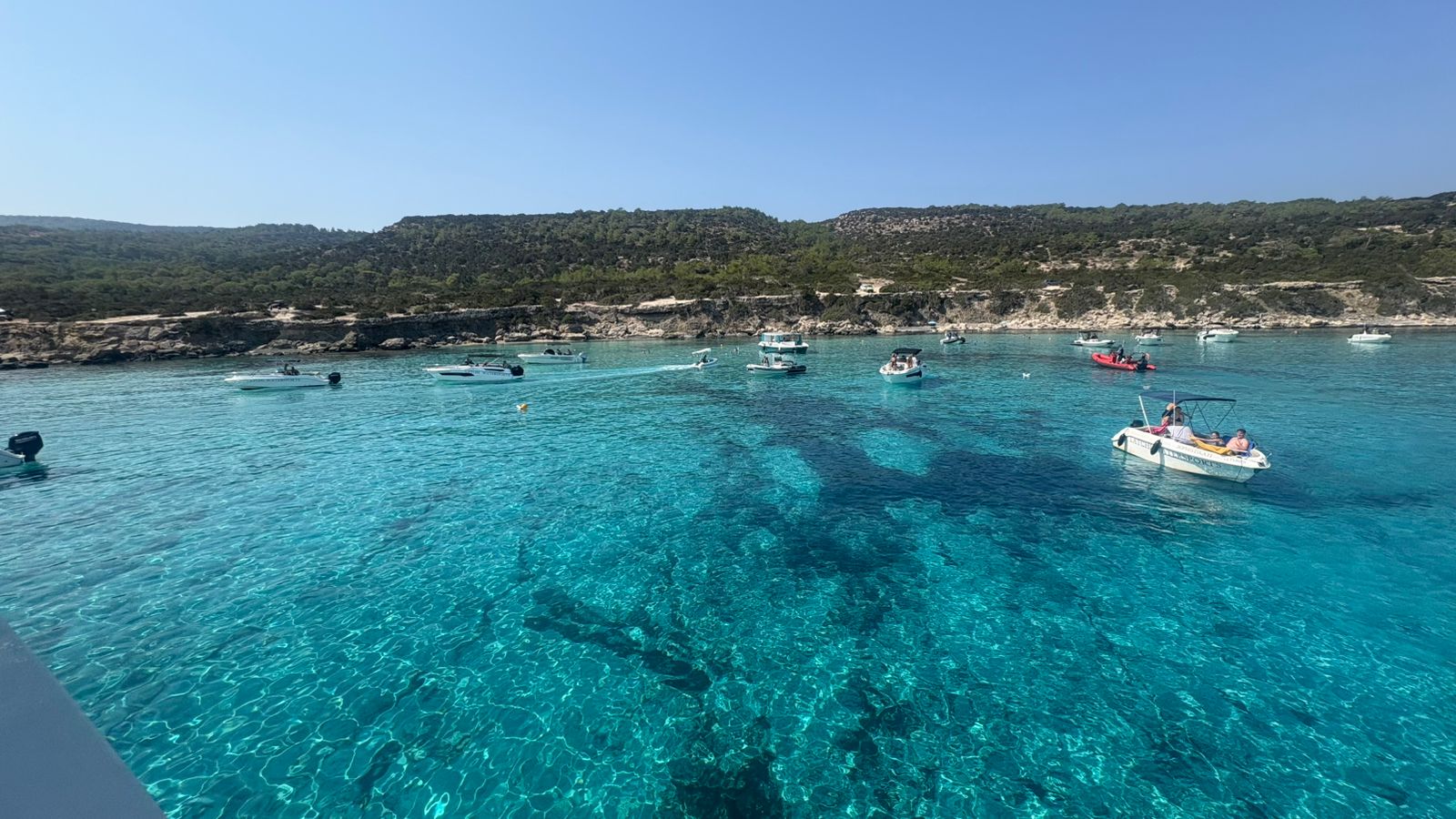
The Blue Lagoon most visitors mean is a sheltered bay with clear turquoise water on the Akamas Peninsula, west of Latchi harbour in Paphos district. Most people arrive by boat from Latchi: there is no suitable access road for ordinary cars and no organised visitor facilities on shore.
A second coastal swimming spot also called the Blue Lagoon lies at Cape Greco, near Ayia Napa. Check which one a tour visits before booking.
Where is the ‘real’ Blue Lagoon in Cyprus?
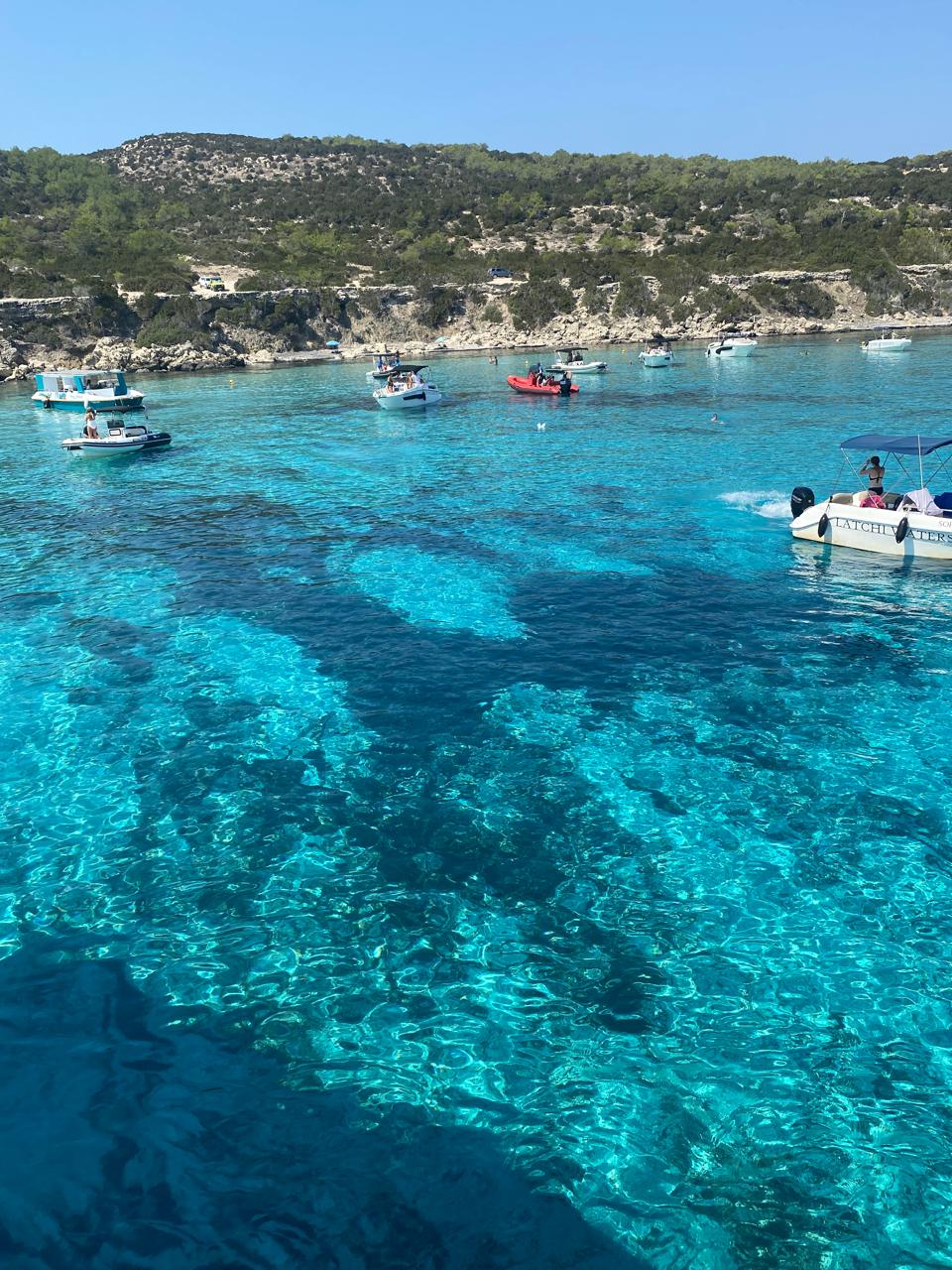
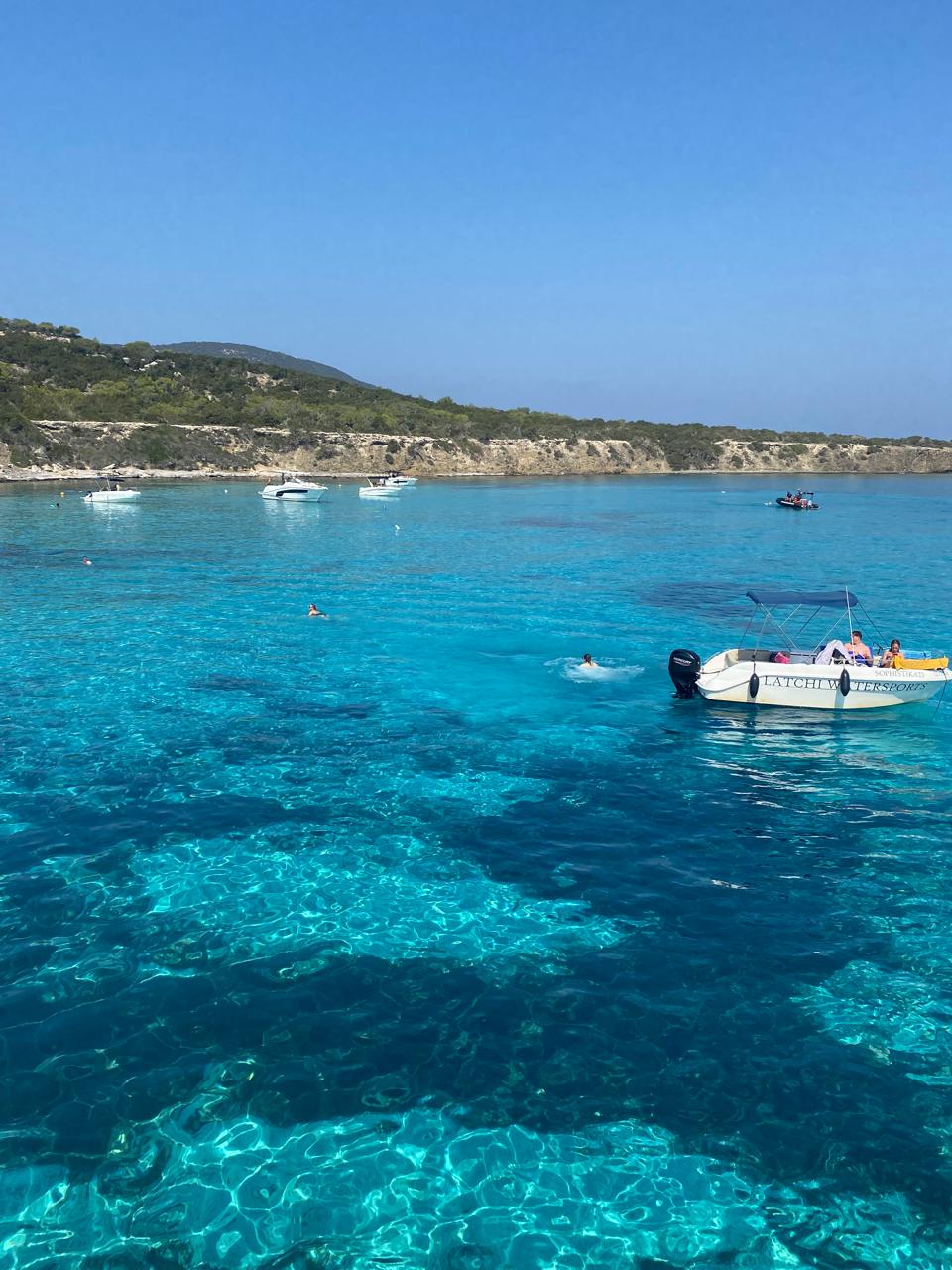
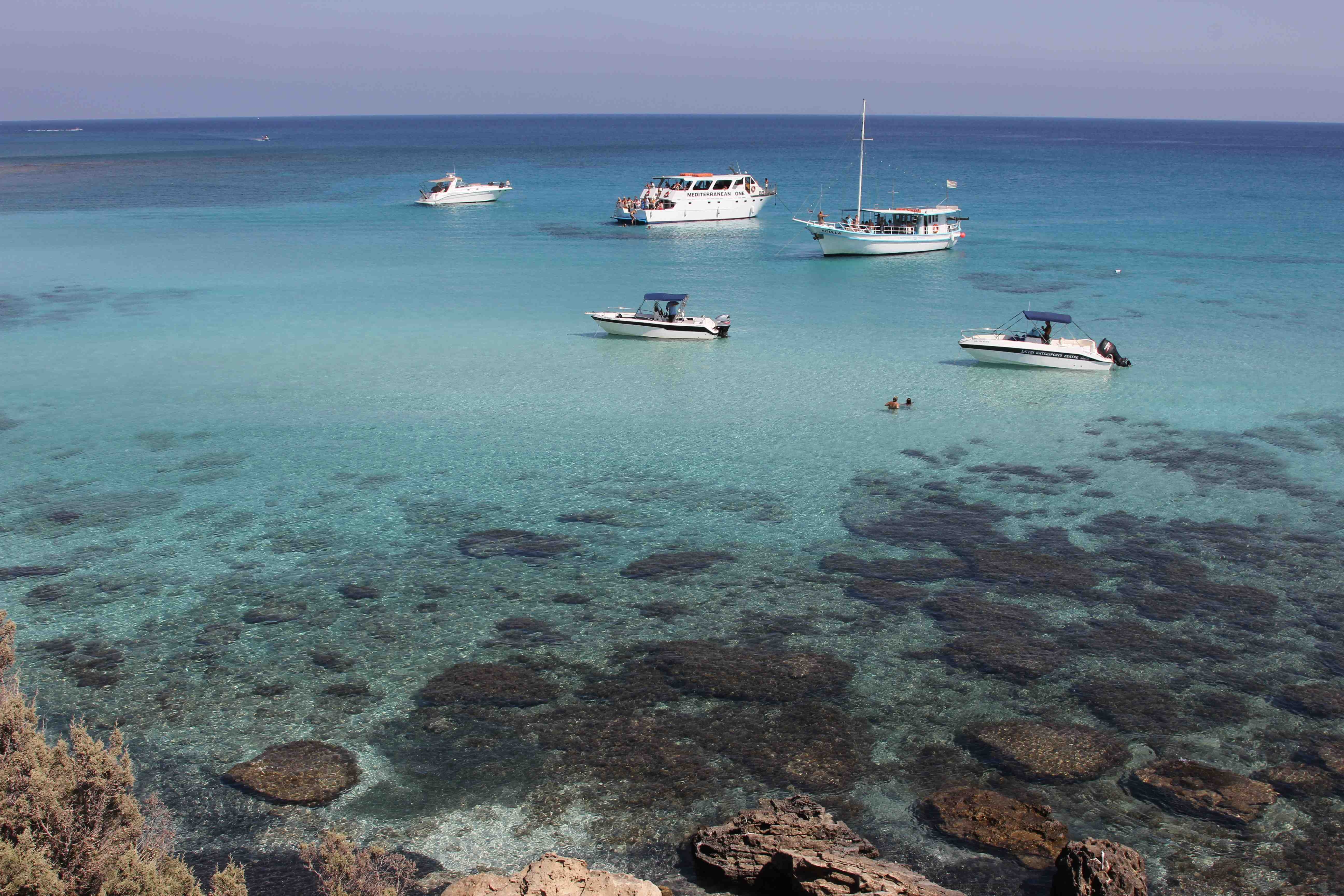
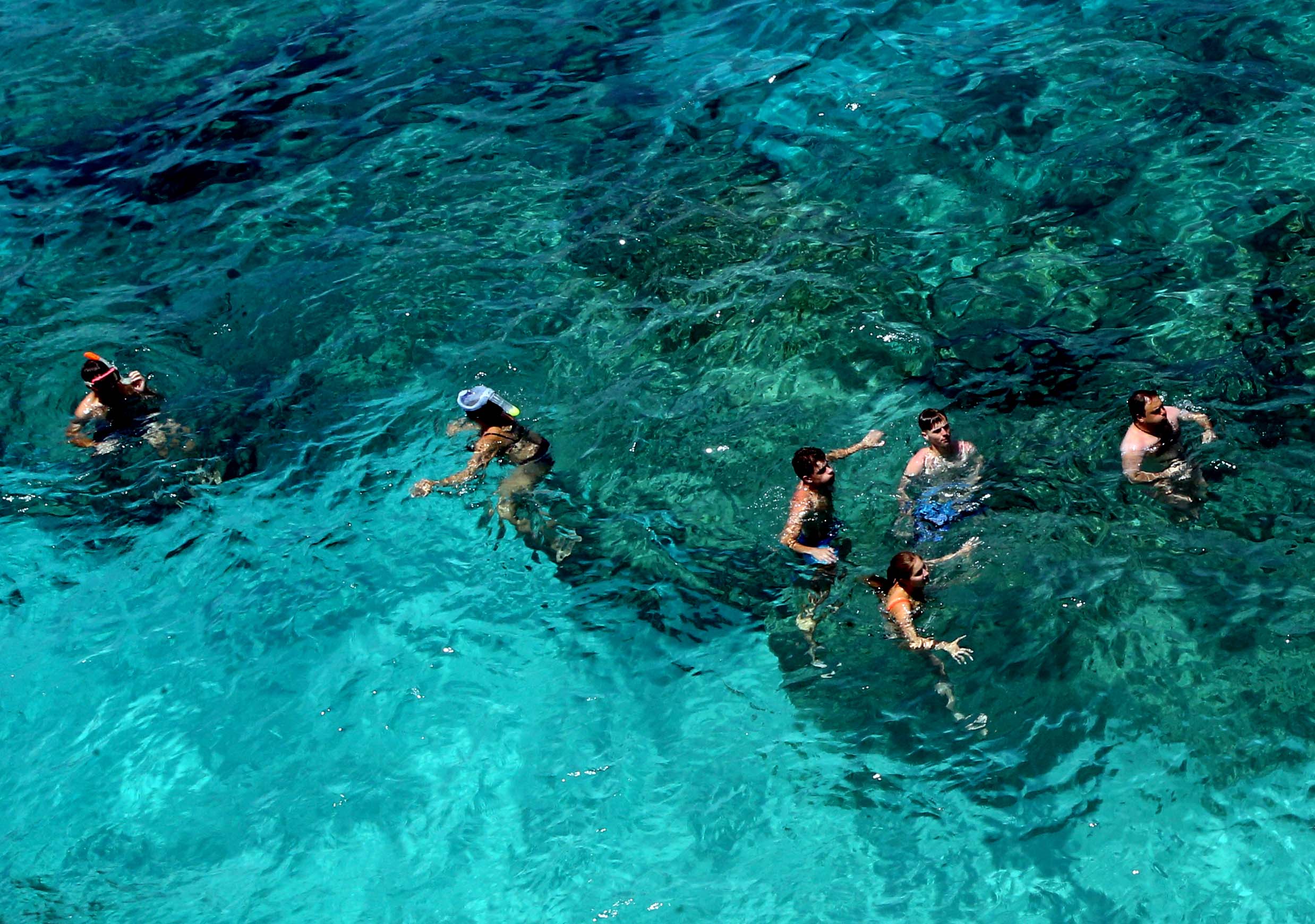
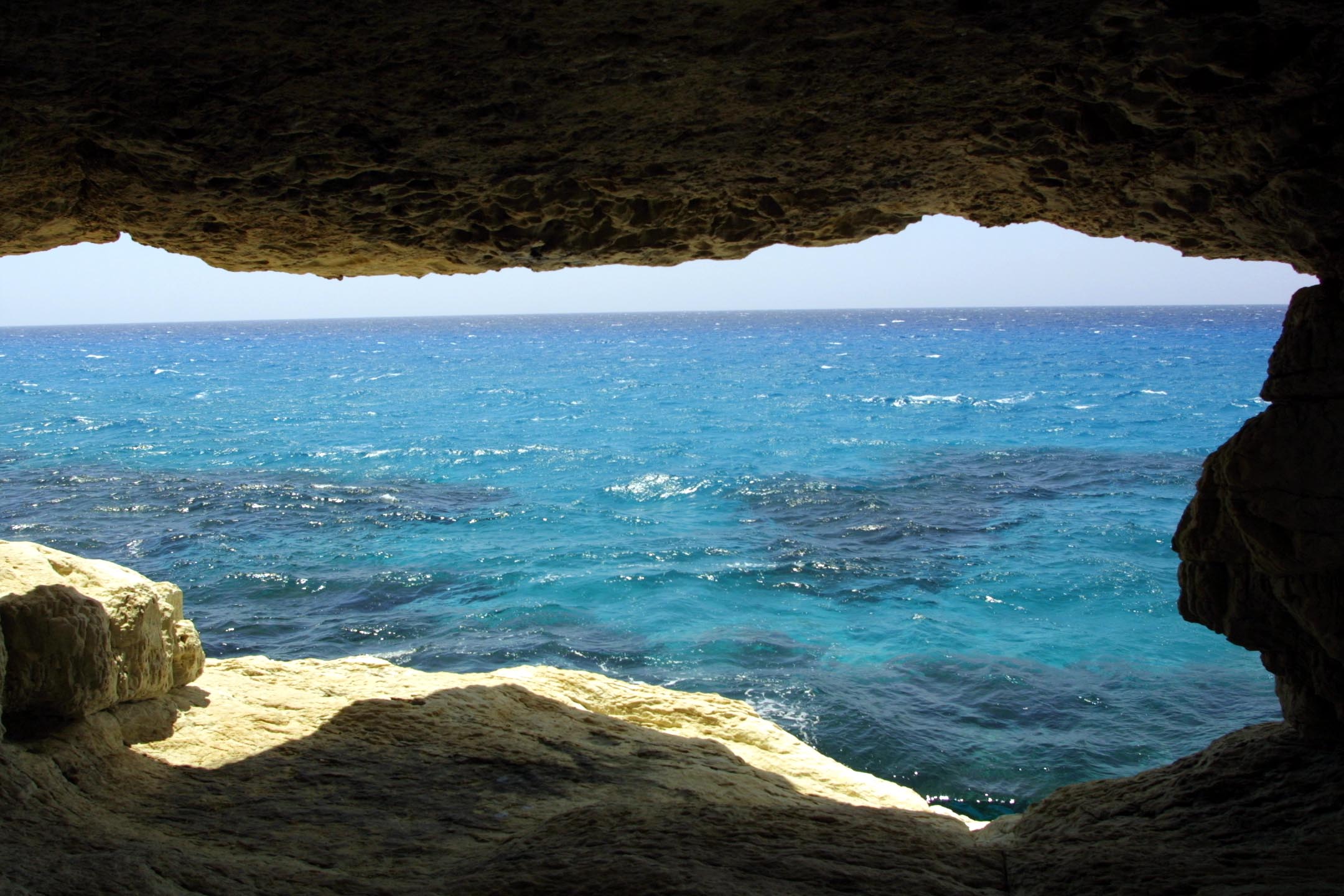
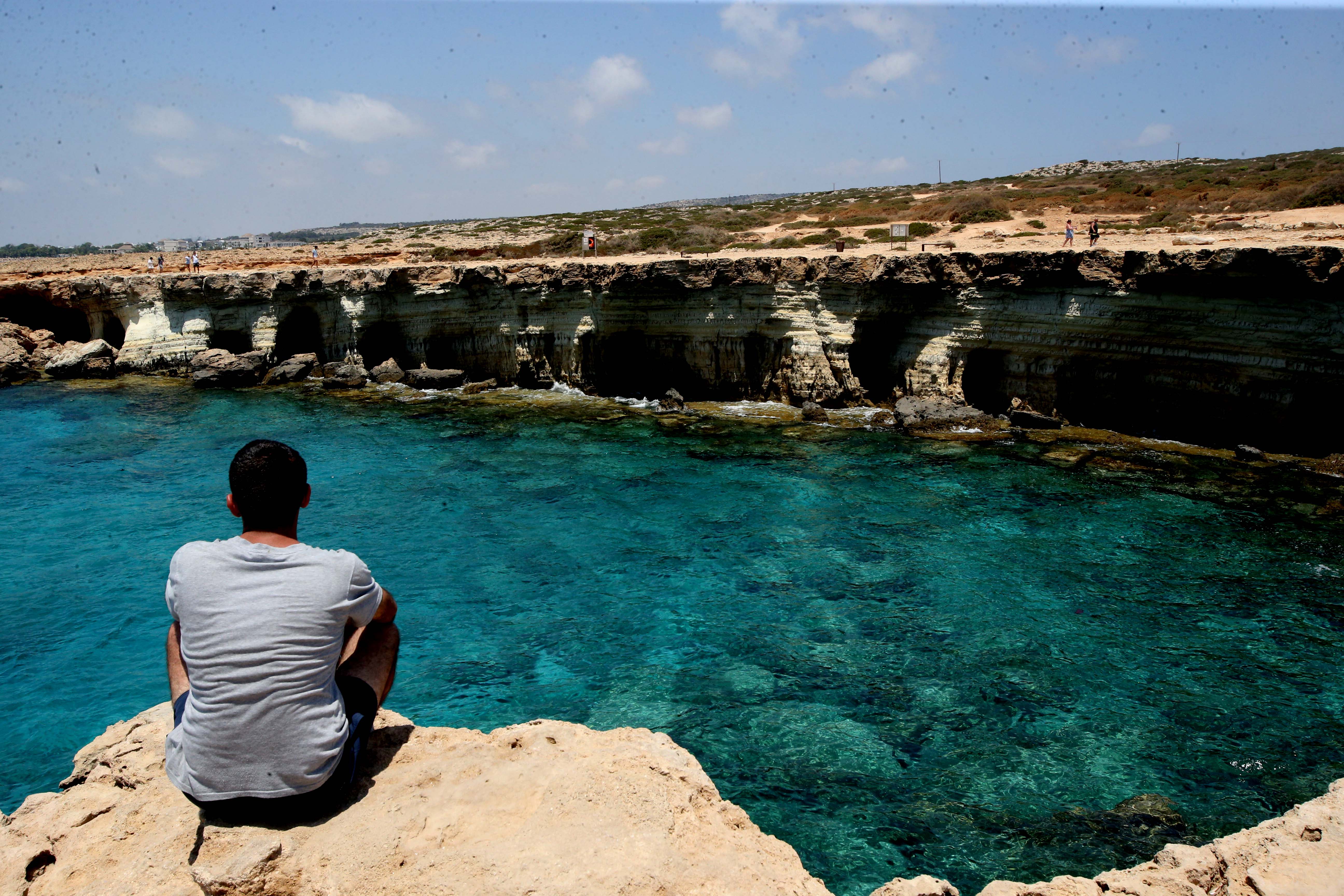
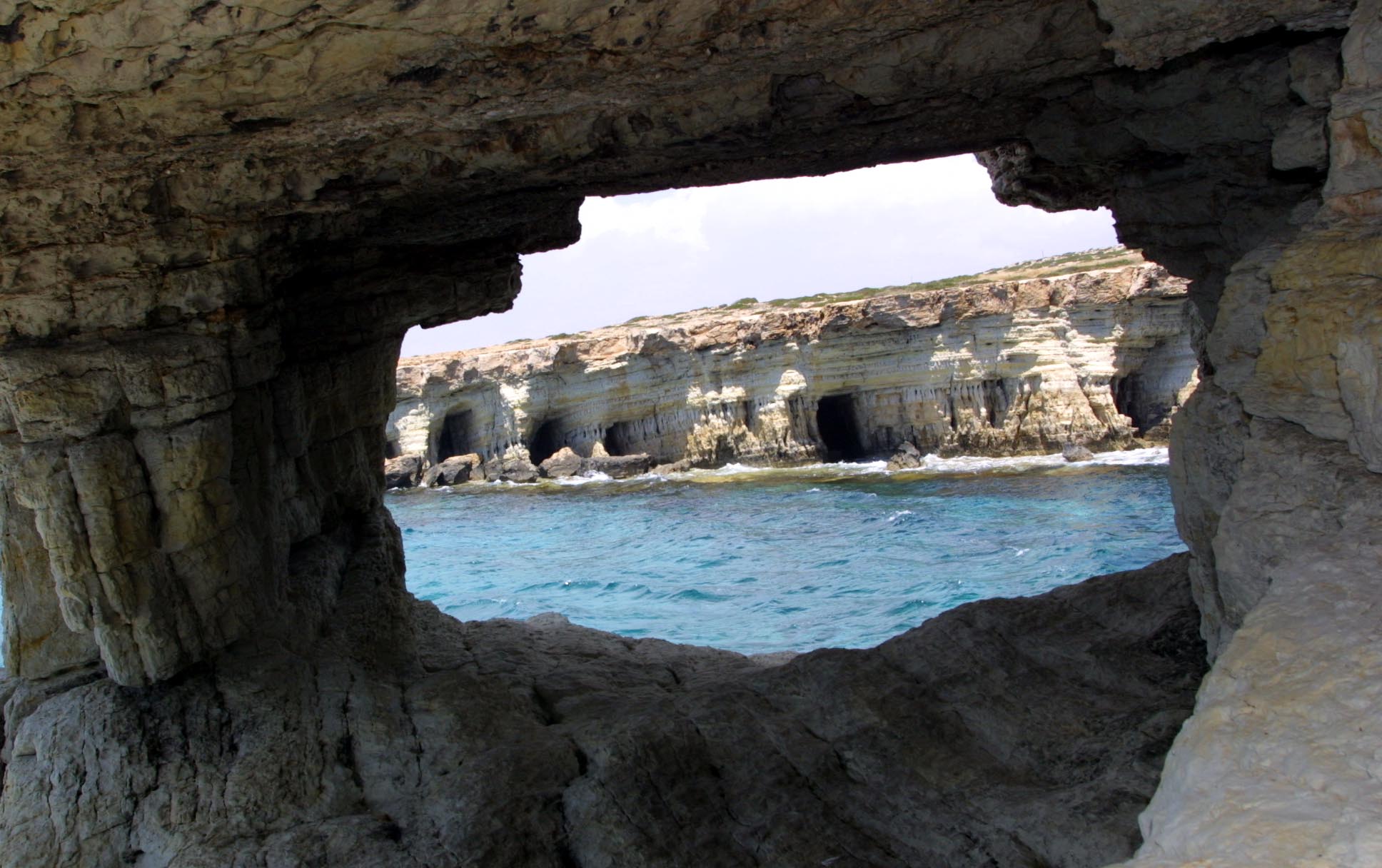
The Akamas lagoon lies on the peninsula’s northern coastline, between the Baths of Aphrodite and Fontana Amorosa. Although often described as the “Blue Lagoon Paphos”, it is outside Paphos city; Latchi, beside Polis Chrysochous, is the usual departure point.
Allow approximately these distances and driving times to Latchi harbour:
| Starting point | Road distance | Planning time |
| Paphos | Around 40–45km | 50–60 minutes |
| Coral Bay | Around 30–35km | 40–50 minutes |
| Polis centre | Around 4km | 5–10 minutes |
Allow extra time for parking and boarding rather than arriving at the advertised departure time.
Akamas is protected, including through the Natura 2000 network. Conservation rules help preserve its undeveloped character.
Open the Akamas Blue Lagoon map and find Latchi harbour. Check that the lagoon result is in Akamas, not Cape Greco.
There are two Blue Lagoons in Cyprus
| Good to know | Blue Lagoon Akamas | Blue Lagoon Cape Greco |
| Area | Akamas Peninsula, Paphos district | Cape Greco, between Ayia Napa and Protaras |
| Access | Boat from Latchi; very demanding walk or rough track | Boat from Ayia Napa/Protaras; road access to nearby park viewpoints |
| Best for | A swimming and snorkelling boat trip | Rocky coastal scenery, sea caves and boat swim stops |
| Facilities | None on shore | Limited around the park; check your exact stop |
| Nearest bases | Latchi, Polis, Paphos, Coral Bay | Ayia Napa and Protaras |
At Cape Greco, reaching a viewpoint by car does not necessarily mean easy or safe access to the water below. Choose a boat swim stop or an established swimming access point rather than scrambling down cliffs. Our Cape Greco guide covers the wider park.
How to get to the Blue Lagoon
By boat from Latchi
For most visitors, this is the easiest option. Shared cruises follow the Akamas coastline and stop in the bay for swimming. Some boats have glass-bottom viewing sections; private charters offer more flexibility.
The coastal journey itself commonly takes around 30–45 minutes, depending on the boat, route and sea. Longer lunch cruises and full-day outings are also offered.
Check what your ticket includes: transfers, drinks, lunch and snorkelling equipment vary. Confirm toilets, shade, child life jackets, cancellation terms and swim-stop duration. Compare current operator quotes rather than assuming all cruises offer the same package.
Some excursions genuinely sail from Paphos harbour and take much longer. Others sold as “Blue Lagoon trips from Paphos” transfer passengers by road to Latchi before boarding. Check the departure harbour and return arrangements, especially if you dislike lengthy sea journeys.
Self-drive boat hire is another option, but “no boat licence needed” has conditions. The Shipping Deputy Ministry provides an exemption for qualifying temporary visitors staying less than 30 days, subject to a declaration and the owner’s assessment of competence. Operators may impose additional age, driving-licence and deposit requirements. Ask for a full safety briefing.
If you only want transport, enquire locally about skippered transfers or water-taxi arrangements; do not assume a scheduled service is available.
By road: a rough track, not an ordinary drive
Paved roads reach the Baths of Aphrodite area. Beyond it, the coastal track towards the lagoon and Fontana Amorosa has rough surfaces and exposed sections. A suitable high-clearance 4×4 and an experienced driver are necessary considerations, not guarantees of a straightforward journey.
Many rental contracts exclude unpaved roads or related damage, including for some vehicles marketed as SUVs. Obtain explicit permission and confirm cover before attempting any track.
Road management remains an issue. Following an April 2026 inspection, the Audit Office raised concerns about unsafe conditions and uncontrolled access. The agriculture ministry acknowledged the challenges and described plans for safer, regulated access. Check current Department of Forests instructions, signs and closures before travelling.
On foot
The coastal route from the Baths of Aphrodite parking area is approximately 6km each way. Allow around one-and-a-half to two hours each way, longer for stops or slower walking: roughly 12km return, plus swimming time.
It follows an uneven, exposed track shared with vehicles. There is little shade or dependable drinking water en route. Start early, take plenty of water and wear walking shoes. In extreme heat, choose a boat instead.
The nearby Aphrodite and Adonis nature trails are separate circular walks, not interchangeable directions to the lagoon. Official nature-trail information lists both at about 7.5km, with demanding sections.
Jeep safaris and organised tours
Organised Akamas tours can combine a vehicle excursion with a Blue Lagoon boat trip. Ask whether “Blue Lagoon stop” means swimming from a boat, visiting the shore or only a viewpoint. Check the time allocated and vehicle arrangements; itineraries differ.
What to expect at the Blue Lagoon
The water is the attraction: pale sand beneath clear shallows creates the turquoise colour, with deeper blue beyond. Rocks and patches of seagrass break up the seabed. Visibility varies with conditions, and the bay is not shallow everywhere.
Most cruise passengers swim directly from their boat. Snorkelling can reveal fish around rocky areas, but this is not a guaranteed wildlife excursion. Turtles live in the wider Akamas marine environment; an encounter should be treated as a possibility, never a promise.
There is no beach bar, public toilet block, organised shade or row of sunbeds on shore. Small stretches of natural shoreline are not equivalent to a spacious sandy beach. In July and August, several boats can anchor simultaneously: undeveloped surroundings do not mean empty water.
Best time to visit
Roughly May to October is the main period for swimming trips, although May water can feel cool and autumn weather becomes less predictable. Some services run outside those months; confirm the season with the operator.
Early departures or late-afternoon visits can mean fewer boats and softer light, but neither guarantees solitude. Midday in July and August is usually the busiest period. Wind and sea conditions matter more than the colour of the sky: keep a spare day in case a sailing is cancelled.
For seasonal planning, see Cyprus in September, Cyprus in October and our best time to visit Cyprus guide.
Tips for visiting
- Bring drinking water, a hat, sunscreen and clothing that protects you from the sun.
- Pack your own mask and snorkel unless equipment is explicitly included.
- Water shoes help on rocky shore sections; walkers also need proper walking footwear.
- Carry a card and some cash, and confirm accepted payment methods before boarding.
- Keep clear of moving boats, follow the crew’s swimming instructions and supervise children closely.
- Take all litter away. Private boat users should follow anchoring instructions and keep anchors off seagrass; do not feed or pursue wildlife.
What to combine with the Blue Lagoon
The Baths of Aphrodite grotto is an easy nearby stop before or after a Latchi cruise. The mythological bathing place is a sightseeing stop, not a swimming pool.
Latchi harbour works well for a waterfront meal, while Polis offers a town-centre stroll. Fontana Amorosa may feature on a longer coastal itinerary; ask before booking.
Lara Bay’s turtle-nesting beaches and Avakas Gorge require separate planning across the peninsula rather than a quick addition to every cruise day. Observe Lara’s seasonal conservation rules and check gorge conditions. Our Akamas guide explains the wider area.
Is the Blue Lagoon worth visiting?
Yes, if your aim is a scenic boat journey followed by swimming or snorkelling in clear water. It suits nature lovers and families comfortable with a boat-based outing, provided the vessel and swimming arrangements meet their needs.
It is less suitable if you want an accessible sandy beach, lifeguarded shallows, sunbeds and cafés. Choose an organised beach instead; our best beaches in Cyprus guide offers alternatives. Nor is it worth crossing the island solely to tick off this lagoon when you are staying beside Cape Greco’s clear-water coast.
Frequently asked questions
Where is the Blue Lagoon in Cyprus?
The best-known Blue Lagoon is on the Akamas Peninsula in Paphos district, west of Latchi harbour, between the Baths of Aphrodite and Fontana Amorosa. A second spot with the same name lies at Cape Greco near Ayia Napa. Check the departure harbour when comparing tours.
Which Blue Lagoon is better in Cyprus?
Akamas is generally the practical choice from Paphos, Coral Bay, Polis or Latchi, especially for a swimming cruise. Cape Greco suits visitors staying in Ayia Napa or Protaras who want rocky scenery and coastal boat trips. Neither is universally better; location, access and the outing you want matter most.
Can you swim in the Blue Lagoon in Cyprus?
Yes, swimming is the main activity at the Akamas lagoon when conditions permit. Most visitors enter from a boat. Clear water is not a guarantee of shallow water or safe conditions: follow the crew’s instructions, use appropriate buoyancy aids and stay clear of boat traffic.
Can you drive to the Blue Lagoon in Cyprus?
You can drive on paved roads to the Baths of Aphrodite area, but the onward coastal track is unsuitable for ordinary cars. A suitable 4×4 does not remove the risks or override rental exclusions. Check current access rules; most visitors will find a Latchi boat trip simpler.
How long is the boat trip from Latchi?
The journey to the lagoon commonly takes around 30–45 minutes, depending on the boat, conditions and sightseeing stops. Many shared cruises last around two-and-a-half to three hours in total, including swimming and the return journey. Confirm the full itinerary rather than confusing sailing time with the excursion’s duration.
Is the Blue Lagoon in Cyprus worth it?
For visitors who enjoy coastal scenery, swimming and snorkelling, usually yes. A boat trip provides access without negotiating the rough track. Go expecting a popular natural bay rather than a deserted beach or guaranteed turtle sightings. Travellers wanting sunbeds, easy shore entry and facilities may prefer an organised beach.
Is there a beach at the Blue Lagoon?
There are small natural shoreline sections, but no organised sandy beach with sunbeds, toilets or refreshments. Rocks can make shore access awkward, and most cruise visitors swim from their vessel. If your priority is a conventional beach day with facilities, choose another beach rather than expecting that setup here.




Click here to change your cookie preferences