
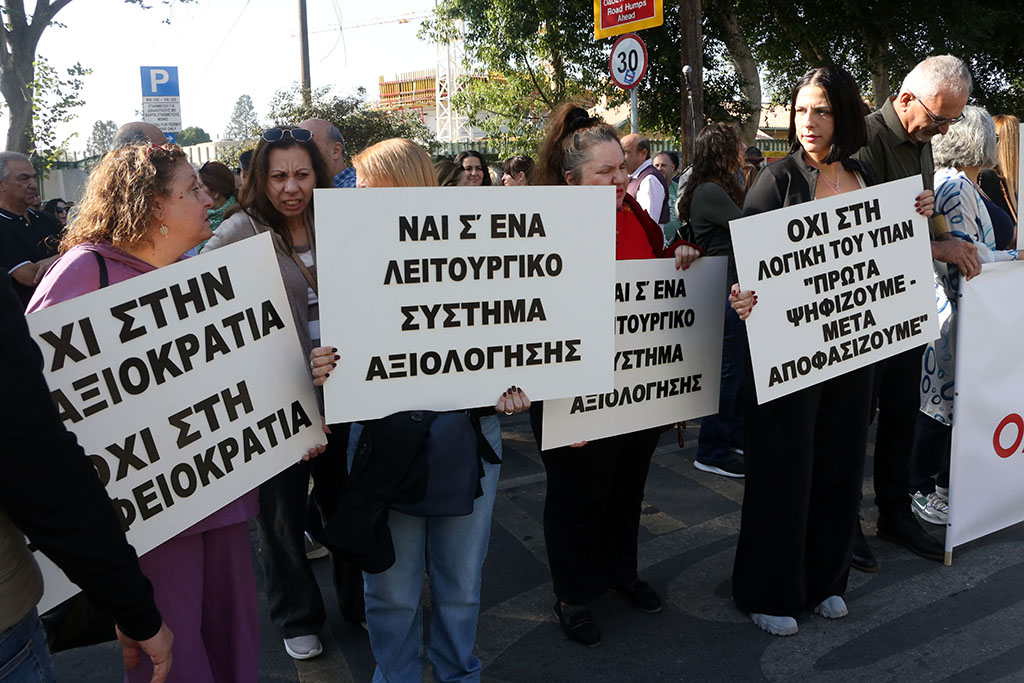
The teacher evaluation reform reached a critical stage this week as the education committee finalised its examination, ahead of a decisive plenary vote on December 15.
But the legislative debate was overshadowed by explosive allegations from committee chairman Pavlos Mylonas, who said he and other MPs were pressured during closed-door deliberations.
Speaking on CyBC’s radio programme Trito on Thursday, Mylonas described receiving messages from individuals attempting to influence his stance on key provisions of the bill.
“Colleagues were constantly receiving messages,” he said, adding that some of these interventions amounted to “a way of blackmail, deception and distortion of the democratic process”.
He warned that certain actors behaved “like underworld gangsters” and insisted such conduct “must cease”.
Mylonas said the pressure intensified specifically around the debate on principals’ role in teacher evaluation, a point fiercely contested by the teacher’s union, Oelmek.
“There were messages telling us, ‘Don’t do what you planned’,” he said, admitting that although some were not outright threats, they were still inappropriate attempts to sway the legislative process.
He added: “You cannot be a member of parliament and have such external forces trying to compromise you.”
Despite the tensions, the committee agreed on several concessions.
The teacher grading scale will remain at 40 points instead of the 100-point system proposed by the education ministry.
Education minister Athena Michaelides urged the committee to reconsider, arguing the 100-point scale is essential for the robustness of the new framework.
The contentious issue of school principals’ participation was retained but reduced.
Instead of the 20 per cent weighting originally proposed, principals will now account for 15 per cent of a teacher’s final evaluation, with external inspectors contributing the remaining 85 per cent.
Mylonas defended the decision, emphasising that principals observe school life daily: “We considered it inconceivable that the person who has contact with teachers from morning to night should not have a say in the evaluation.”
He added that safeguards were included, such as allowing assistant principals to participate when teachers file objections.
Mylonas also confirmed that the new evaluation system will be fully implemented earlier than originally planned.
“The implementation of the regulations will be in 2028–2029,” he said, bringing the timeline forward from 2030.
He insisted the earlier rollout leaves “plenty of time for the ministry and parliament” to prepare.
Akel MP Christos Christofides cautioned, however, that many foundational issues remain unresolved.
“We have counted approximately sixteen issues which have been referred to the committee,” he said, warning that parliament would be “asked to vote on a blank cheque”, with the real terms to be decided later.
The committee will meet again next Wednesday to review final amendments before sending the bill to the plenum.





Click here to change your cookie preferences