
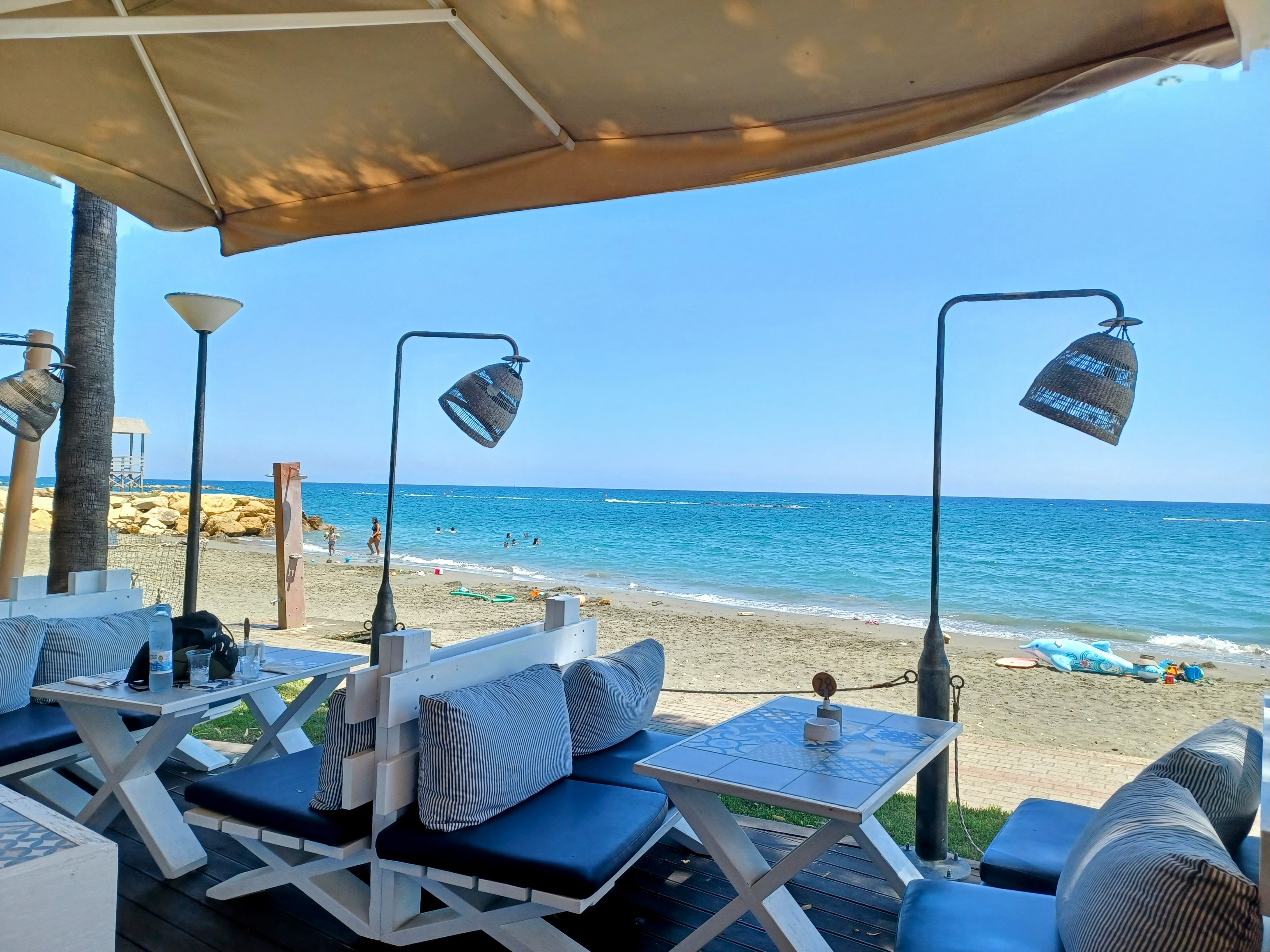
Call for hotel incentives in order to project normality in Cyprus tourism
Cyprus must prioritise safeguarding its image as a stable and safe destination for tourism and investment while ensuring that any measures introduced to address rising prices remain strictly temporary, according to economist Tassos Yiasemides.
Speaking to the Cyprus News Agency (CNA), Yiasemides explained that as an externally driven economy, Cyprus is highly susceptible to major geopolitical and economic developments in the broader region.
Responding to questions regarding the economic consequences of the war in the Middle East, he warned could have multiple implications for the national economy.
“The priority is to safeguard the image of Cyprus as a stable and safe destination, both in terms of tourism but also for investments,” Yiasemides said.
He pointed out that companies located in business centres near conflict zones may seek alternative locations, creating opportunities for countries perceived as secure.
Yiasemides stressed that it is essential for the island to project a sense of normality in the tourism sector and the wider economy during periods of regional instability.
“This will not happen by subsidising hotel units to remain closed for another one or two months, but by providing incentives so that they open,” he argued.
He suggested that hotels could potentially operate with limited staff initially until booking levels recover.
Similarly, Ayia Napa mayor Christos Zannetou said on Monday that keeping hotels open during the winter months is vital to maintaining an international image of stability and resilience for the Cypriot tourism industry.
Zannetou argued that active winter operations prevent the perception that the island is struggling with regional challenges, thereby sustaining global confidence in the destination.
Meanwhile, Yiasemides also stated that meetings and conferences linked to the Council of the European Union during the upcoming Cyprus presidency should also be rescheduled as conditions stabilise.
According to the economist, a coordinated promotion effort abroad and the strengthening of the country’s connectivity should be undertaken immediately.
He warned that tourist flows from countries experiencing hostilities may decline, making it necessary to focus on attracting visitors from other markets.
“Coordination is required between the state, professional organisations and economic diplomacy,” Yiasemides said, adding that this applies to Cyprus as both a tourism and business hub.
He also addressed inflationary pressures, noting that current developments are placing the country under additional economic strain due to high imported energy costs.
The economist highlighted that these costs are now combined with problems in the primary sector caused by foot-and-mouth disease.
“Beyond fuels, there may also be inflationary pressures on food,” he warned.
Regarding the former issue, the Cyprus Consumers Association on Monday called on the government to reintroduce fuel subsidies, citing a steep rise in prices since early March that shows no signs of slowing down.
Yiasemides explained that the state must ensure no profiteering practices emerge in the market and that any price increases correspond to actual market conditions.
“If such phenomena are identified, the state should intervene,” he said.
He also emphasised the importance of ensuring an adequate supply of goods to prevent shortages and excessive price hikes.
“It may be wise, even temporarily, to secure imports of certain products in order to strengthen supply,” he added.
Yiasemides said the situation highlights structural energy challenges, including the need for renewable energy expansion and energy storage incentives.
He also pointed to the importance of the energy upgrading of buildings and addressing the country’s energy isolation.
Potential interventions could include subsidies for vulnerable households and reductions in consumption taxes within European Union directives.
However, he stressed that any such measures must have a strictly temporary character aimed only at short-term pressures.
What is more, he said it is “vital to maintain systematic monitoring of the state budget and prepare for potential long-term geopolitical tensions”.
He warned that risks such as stagflation and rising interest rates could place additional pressure on public finances.
“Measures must be ready for implementation to safeguard the course of the Cypriot economy,” Yiasemides concluded.




Click here to change your cookie preferences