
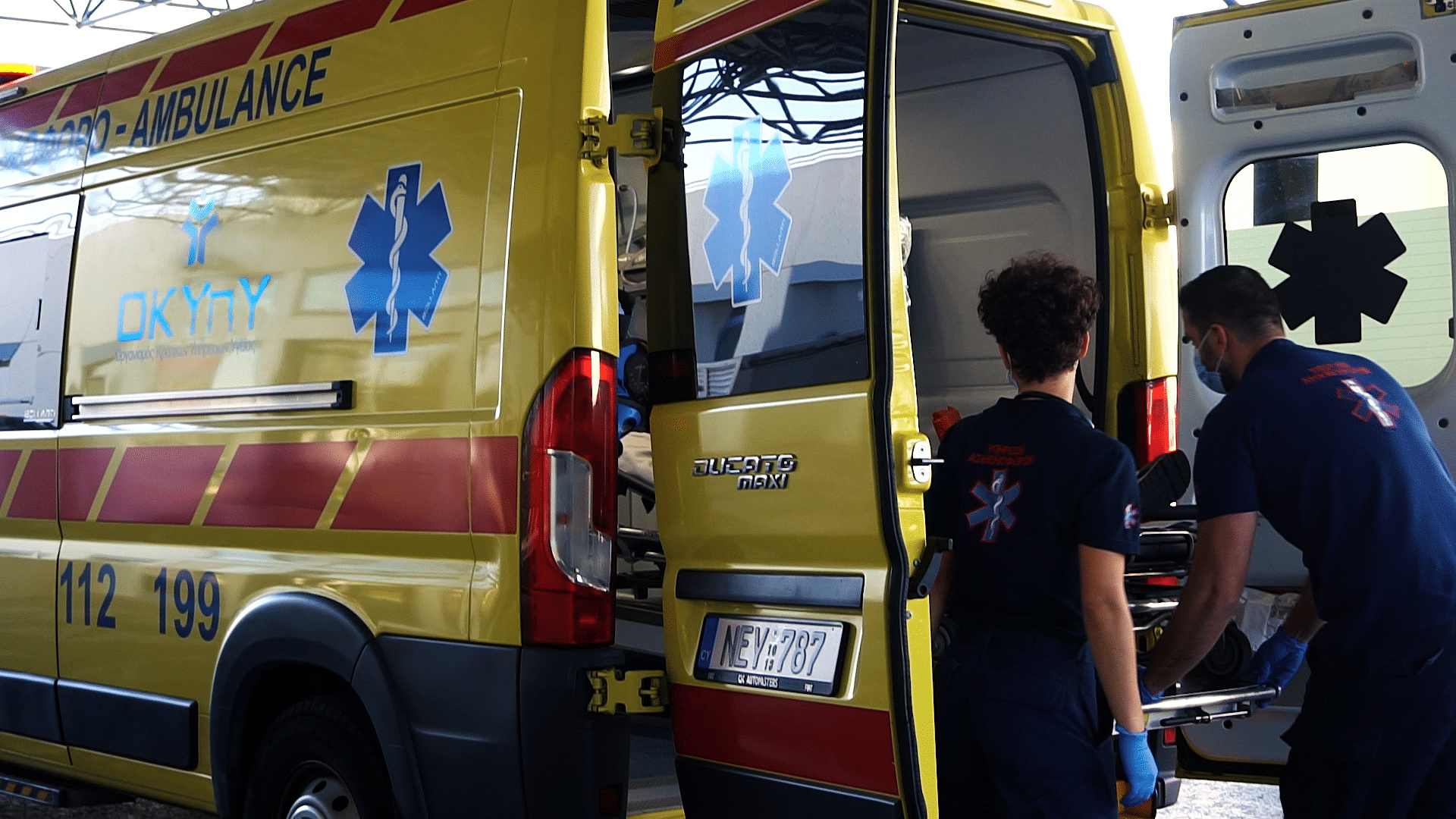
Trade unions Pasydy and Pasynm on Friday welcomed amendments to the criminal code tightening penalties for attacks on health-care professionals on duty, approved by the House on Thursday evening.
Pasynm, which represents nurses and midwives, said the amendments “satisfy a longstanding and fundamental request of the union: the need for immediate and effective state measures to prevent and properly address violence against healthcare professionals”.
It called the changes “an important step towards ending the attacks and unjustified targeting of nurses and midwives”.
Pasydy’s nursing branch also expressed satisfaction, stressing that “the institutional protection of nurses and midwives is not only a right but also an obligation of the state, in order to ensure the safety and dignity of those on the front line of healthcare provision”.
It noted that the strengthened protections come at a time when health-care workers face high workloads, intense pressure and at times risks to their own physical safety.
“The passing of this bill is a significant step toward protecting healthcare workers and ensuring the smooth operation of healthcare services for the benefit of society,” it added.
Akel MP Marina Nikolaou and Disy MP Nikos Georgiou tabled the amendments in response to repeated attacks on health-care staff.
The changes introduce a new criminal offence, punishable by up to four years in prison, for attacks on doctors, nurses, midwives, as well as law-enforcement officers, public officials and those assisting them.
“When a health professional works in fear of a possible attack, the impact is felt not only by the worker but by the patient and society,” Nikolaou said, referring to repeated verbal and physical assaults in health-care facilities that have created “a climate of fear and frustration”.
Disys Georgiou said each incident “weakens the maintenance of public order”, adding that their frequency “cannot leave the public indifferent”.
“The state must stand by those who truly serve the citizen. Strengthening their protection is not only a matter of justice, it is a matter of respect and recognition,” he said.
One of the most prominent cases this year occurred at Polis Chrysochous Hospital’s A&E department in February, when a 27-year-old drunk man caused damage, prompting the nurses’ union Pasyno to call for better protection of health-care staff.
In recent years, unions, health care associations and other stakeholders had repeatedly called on the government to review the existing legislation for attacks on doctors, nurses and other health professionals.
The Cyprus Medical Association in October 2024 called for an “urgent review” of safety measures at emergency departments after staff at Nicosia general hospital were assaulted, noting it was “not the first time health professionals have become victims of violence”.
In spring 2024, doctors and other Gesy service providers had announced that they were “on the end of verbal attacks”, as patients are uninformed about their rights and obligations.
“It has been established that in too many cases, Gesy service providers blame the health insurance organisation (HIO) or say Gesy will not let them fulfil a request made by a patient that they believe is unjustified,” House health committee chairman Efthimios Diplaros said at a relevant meeting.
He added that both the friends of patients’ associations (Osak) and doctors had recorded cases of verbal attacks and threats against doctors, claiming that some patients forced doctors to do the tests they want to be done.
“Doctors are attacked by patients who do not know their rights and obligations,” he said, adding that poor information contributed to long waiting lists and cases of patients demanding to see several doctors within a short time, believing they were entitled to more than the system provides.



Click here to change your cookie preferences