

Cypriots take food seriously, not in a formal sense, but as a cornerstone of daily life and social connection. Eating is rarely rushed and seldom treated as a purely functional act. Meals are occasions to gather, talk, and linger, whether over a long Sunday lunch with family or a late evening dinner at a neighbourhood taverna.
Generosity is a defining feature of the table: portions are ample, dishes are meant to be shared, and hosts take pride in making sure no one leaves hungry.
This relaxed, communal approach shapes how visitors experience dining on the island. Ordering meze is an act of trust in the kitchen rather than a fixed menu choice, and it is common for food to arrive in waves, dictated by pace rather than schedule. Conversations often last longer than the meal itself, and the bill is usually the final afterthought. For Cypriots, food is as much about time spent together as it is about what is on the plate—and visitors who slow down and follow that rhythm are rewarded with a far richer experience.
Cyprus cuisine is one of the Mediterranean’s richest culinary traditions, shaped by Greek, Middle Eastern, and Levantine influences. Known for its fresh ingredients, aromatic herbs, and slow-cooked meats, Cypriot food gives travelers and food lovers a memorable taste of the island’s culture. Below is an essential guide to the most traditional and popular Cypriot dishes, including the special ingredients that make them unique.
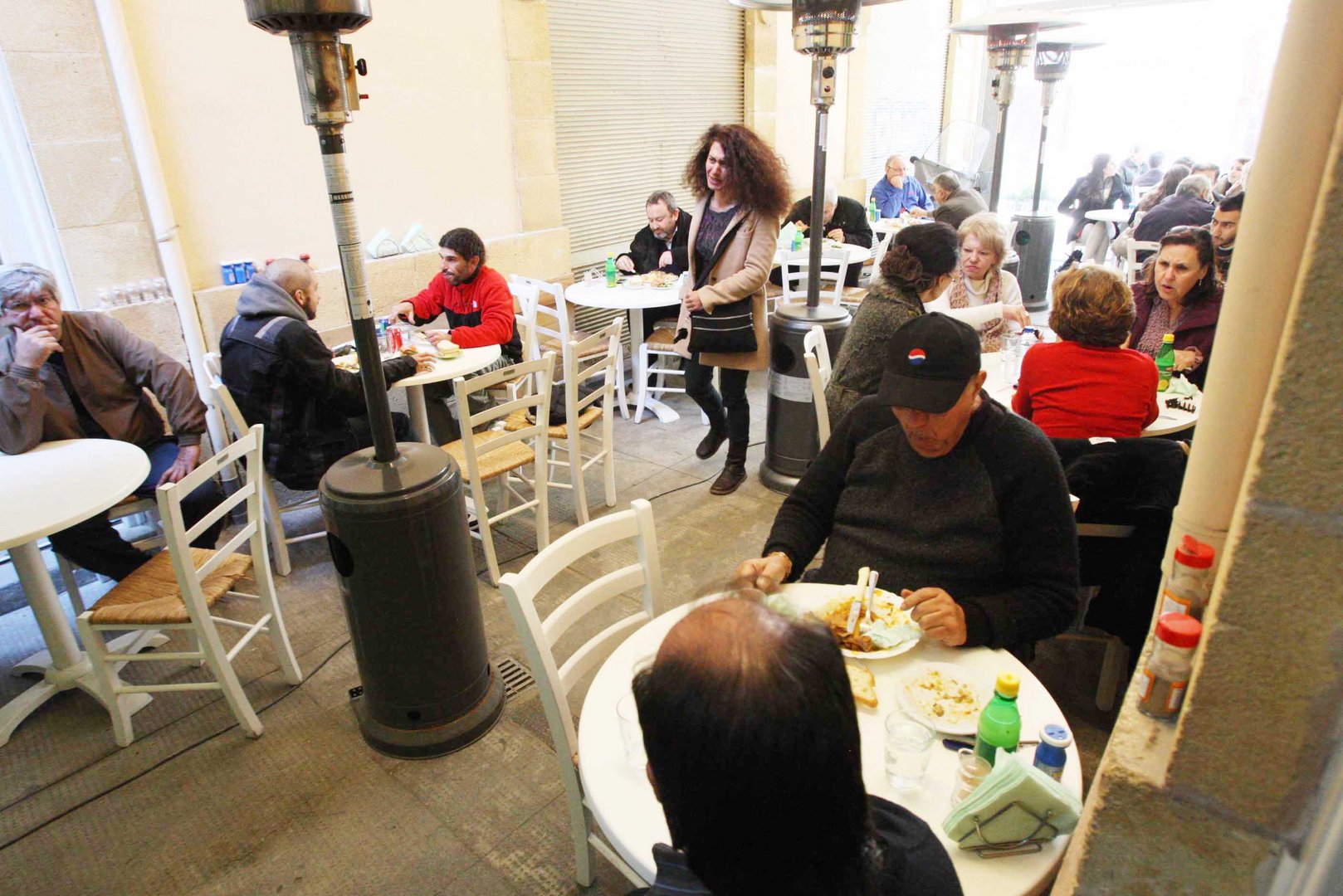
In years gone by, the best place to eat traditional Cyprus food were the mairka, small, typically family-run, traditional eateries that focused on home-cooked dishes. Hand-written menus would change every day and the dishes were prepared early in the morning, just as they would be in a Cypriot home.
Unfortunately few such establishments still exist.
Halloumi: Cyprus’ most famous cheese
No introduction to traditional Cypriot dishes is complete without halloumi, the island’s signature cheese. Made from a blend of sheep’s and goat’s milk, halloumi is one of the few cheeses that can be grilled (or fried) until golden and crispy. Uncooked it is often served with watermelon, honey, showcasing the balance of salty and sweet flavours that define Cyprus cuisine. When grilled, it is usually served in pitta bread with a slice of tomato.
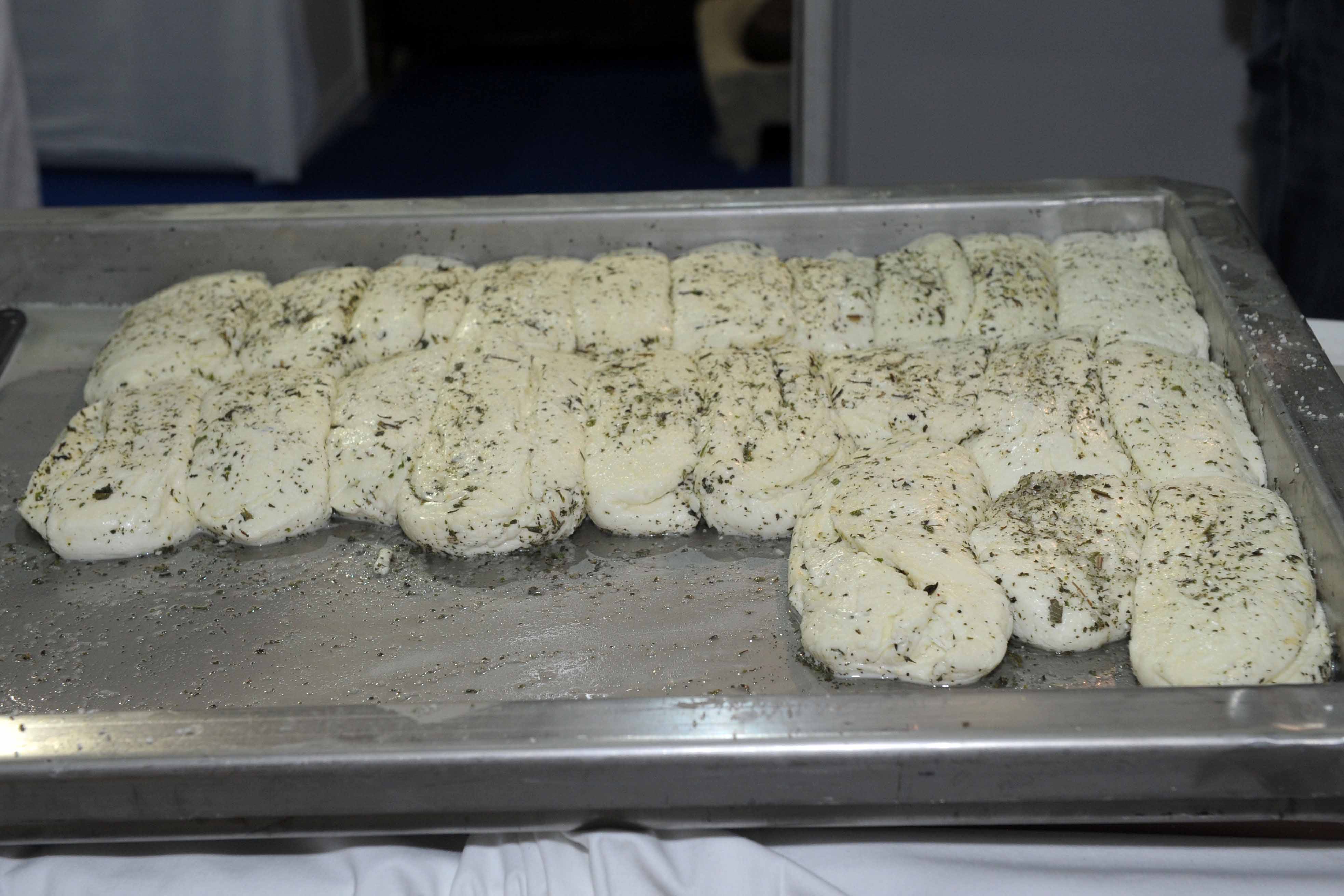
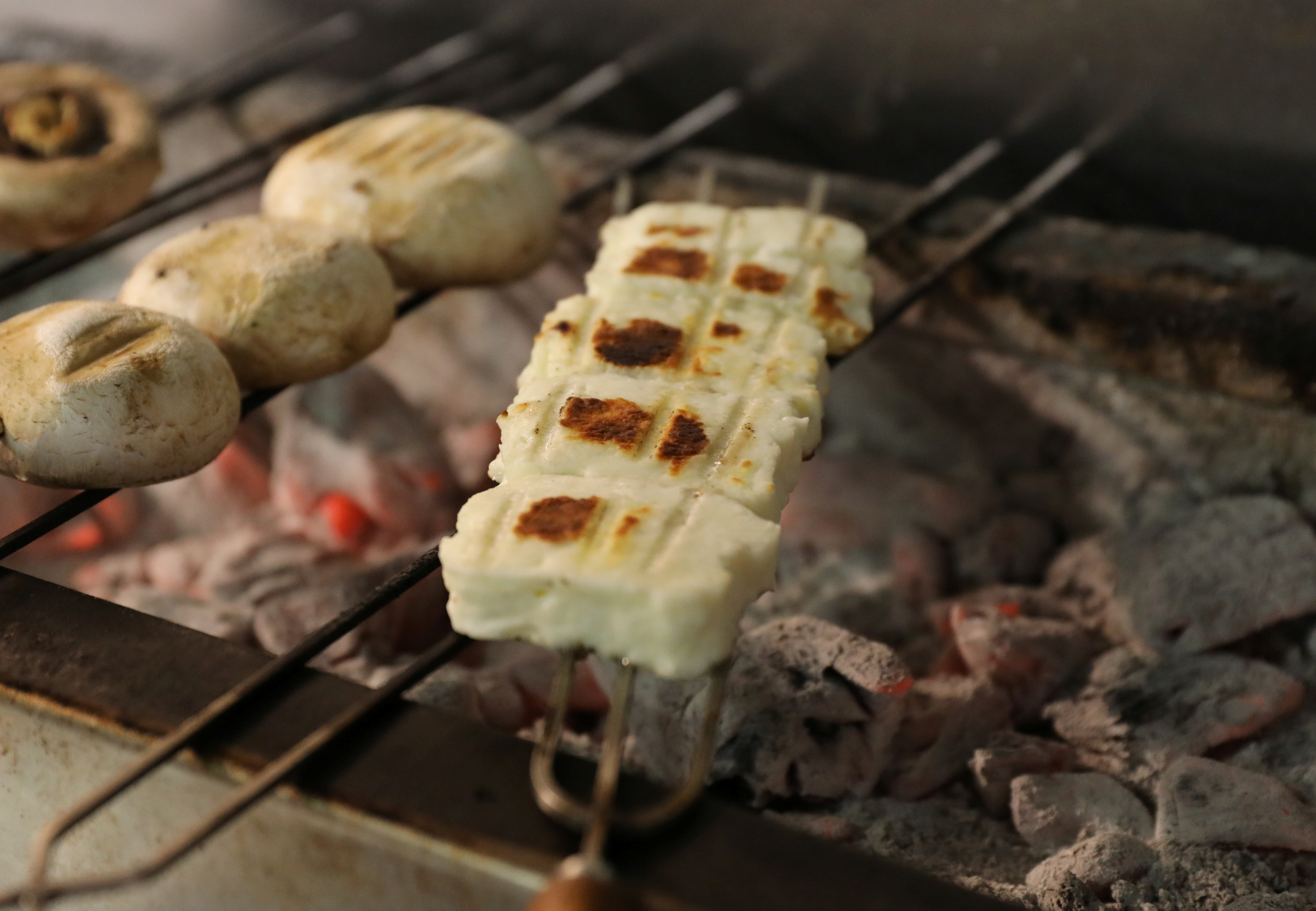
Today, halloumi remains one of Cyprus’ best-known food exports and a must-try for visitors.
Mezze: The best way to experience Cypriot food
A traditional Cypriot mezze offers visitors a full tour of local flavours through a large spread of small plates. Mezze may include dips such as tzatziki (also known as ttalattouri) —a refreshing mix of thick yoghurt, cucumber, garlic, olive oil, and dill—along with hummus (chickpeas), tahini (crushed sesame seeds), and spicy cheese spreads.
Mezze is also where you will encounter some of Cyprus’ most popular grilled meat, or vegetable dishes. It remains one of the most authentic ways to experience Cypriot gastronomy, particularly in local tavernas.
Souvlaki and souvla: Cyprus’ better known grilled meats
Grilled meats are central to Cypriot food culture, with souvlaki and souvla holding pride of place.
Souvlaki (kebab): small cubes of pork, cooked over charcoal and served in a pitta bread with salad
Souvla: larger cuts of meat, usually lamb, but can also be pork, cooked slowly on rotating spits, resulting in tender, pieces of meat spiced with oregano.
Both dishes are staples at family gatherings, festivals, and weekend outings, and they play a major role in Cyprus’s reputation for exceptional barbecue traditions.
Sheftalia: The unique Cypriot sausage
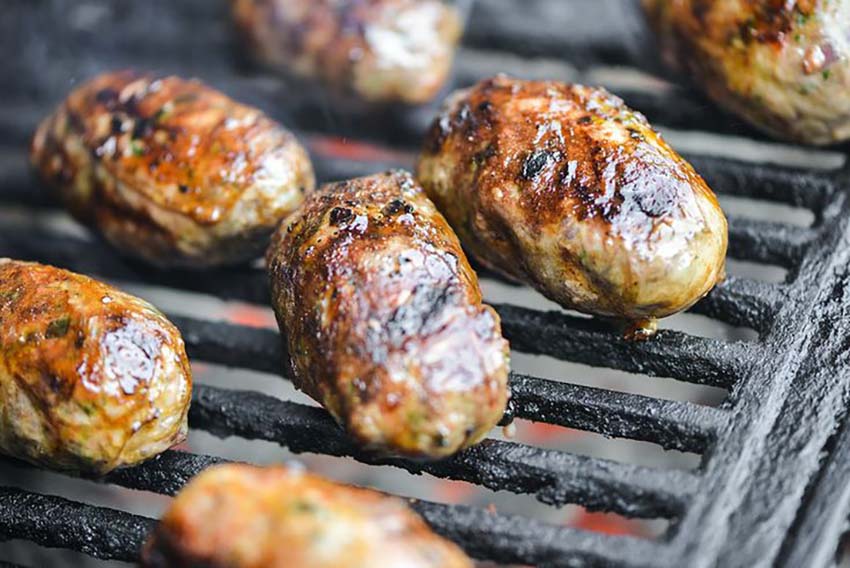
A standout among traditional Cypriot dishes is sheftalia, a sausage-like parcel made from minced pork or lamb mixed with onion, parsley, salt, and pepper. Instead of using casing, sheftalia is wrapped in caul fat, giving it a melt-in-the-mouth texture and deep savoury flavour when grilled. It is often served alongside souvlaki in pitta bread with tzatziki, tomatoes, and fresh salad.
Kleftiko: Slow-cooked Cypriot lamb
Another pillar of traditional Cyprus cuisine is kleftiko, a slow-roasted lamb dish marinated with garlic, bay leaves, rosemary, lemon, and oregano. It is available during the tourist season (late spring through summer), when restaurants emphasize traditional, celebratory dishes that appeal to visitors. Cooked in sealed clay or mud ovens, kleftiko, absorbs the essence of the herbs and cooks in its own juices until incredibly tender. It reflects the island’s pastoral roots and remains one of the most flavourful dishes in Cypriot cooking. It is usually served with potatoes that were cooked in the same over as the kleftiko and for as many hours!
Afelia
A classic Cypriot dish featuring chunks of pork marinated and slow-cooked in red wine and crushed coriander seeds, two ingredients that define its deep, aromatic flavour. The marinade gives the pork a rich, slightly tangy profile, while coriander adds warmth and subtle citrus notes—an essential characteristic of Cypriot cooking.
Afelia is best served with pourgouri (made from bulgur wheat) or rice
Makaronia tou Fournou : Cyprus’ beloved oven-baked pasta
One of Cyprus’ most popular dishes is makaronia tou fournou, a baked pasta dish layered with seasoned minced meat, tomato, cinnamon, and topped with a thick béchamel infused with grated halloumi. Although similar to Greek pastitsio, the use of halloumi and local spices gives makaronia tou fournou a distinctly Cypriot character. It is a favourite at family lunches, celebrations, and Sunday gatherings.
Cypriot cuisine also features outstanding vegetable dishes such as:
Gemista:
Tomatoes, peppers, onions, or courgettes stuffed with a mix of herbed rice and minced meat.
Koupepia:
The stuffing is similar to that of gemista but they are wrapped in vine leaves and delicious with yoghurt
Bamies:
Okra slowly stewed in tomato and olive oil, highlighting the simplicity and freshness of Mediterranean produce.
Zivania, a protected geographical indication (PGI) product of Cyprus
The best way to enjoy your mezze dishes is with zivania. It is one of the island’s traditional spirits, a clear and potent distillate produced on the island for more than 500 years. Made from the fermented pomace left over from wine production—mainly local grape varieties such as Mavro and Xynisteri—zivania embodies Cyprus’s deep winemaking heritage. After fermentation, the grape pomace is distilled, often in small copper stills, to produce a spirit with a clean, dry profile and an alcohol content that typically ranges from 40% to well above 50%. Many families in rural villages still make their own batches, following methods passed down through generations, giving each zivania a slightly different character depending on the grapes and distillation style.
Beyond drinking, zivania has also been used historically as a natural remedy—for rubbing on sore muscles, disinfecting wounds, or easing cold symptoms
It is the Cypriot version of tsippouro in Greece and grappa in Italy.
Frappe, Cyprus’ drink that lasts for hours
Frappe is more than just a cold coffee in Cyprus; it is a daily ritual and a small cultural marker of island life. Made from instant coffee, water, ice, and usually a splash of milk, it is shaken or blended until it forms a thick, frothy foam. Served tall and with plenty of ice, a frappe is designed to be sipped slowly rather than finished quickly, often over the course of a long conversation. Its popularity reflects both the island’s warm climate and its relaxed social pace. It can be ordered sketto (no sugar), metrio (medium, one spoonful of sugar) glyko (sweet, 2 sugars)
Cypriot desserts: Sweet endings with local ingredients
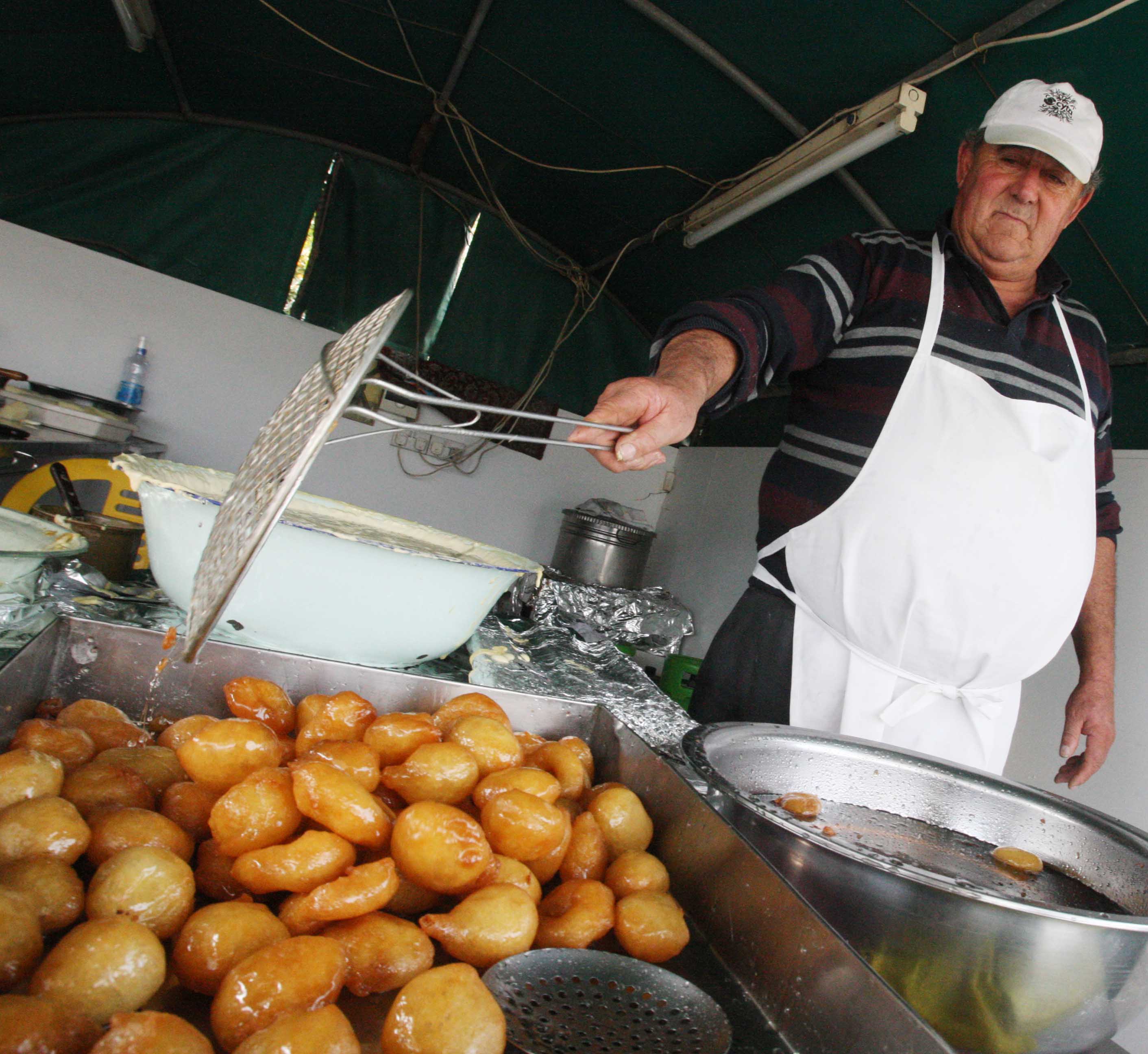
Traditional Cypriot desserts include loukoumades, deep-fried dough balls soaked in syrup, and glyko tou koutaliou, spoon sweets made from preserved fruits such as walnut, quince, and cherry. These sweets reflect the island’s agricultural abundance and long-standing preservation traditions.
To explore more
Paphos: Where myth, history and the sea meet
Nicosia: Inside Europe’s last divided capital
From flamingos to Finikoudes: Fall in love with Larnaca
Limassol: The Mediterranean city that has it all
Protaras – Cyprus’s family-friendly coastal gem
Ayia Napa: Cyprus’s sun-drenched blend of buzz and beauty
Cyprus, but cooler: Why Troodos is the island’s best-kept secret
Unearthing Cyprus: Walking through 10,000 years of history
Best beaches in Cyprus – From golden sands to hidden coves
Moving to Cyprus: A guide to the pros and cons
A guide to Nicosia’s modern retail landscape
Understanding Cyprus’ time zone and how it compares with Europe, the UK, and the US
What is the best time to visit Cyprus?
Where to live in Cyprus? A guide to each major city (pros & cons)
UNESCO world heritage sites in Cyprus: What to see, why they matter, and how to visit
Omodos: A timeless mountain village in the heart of Cyprus





Click here to change your cookie preferences