
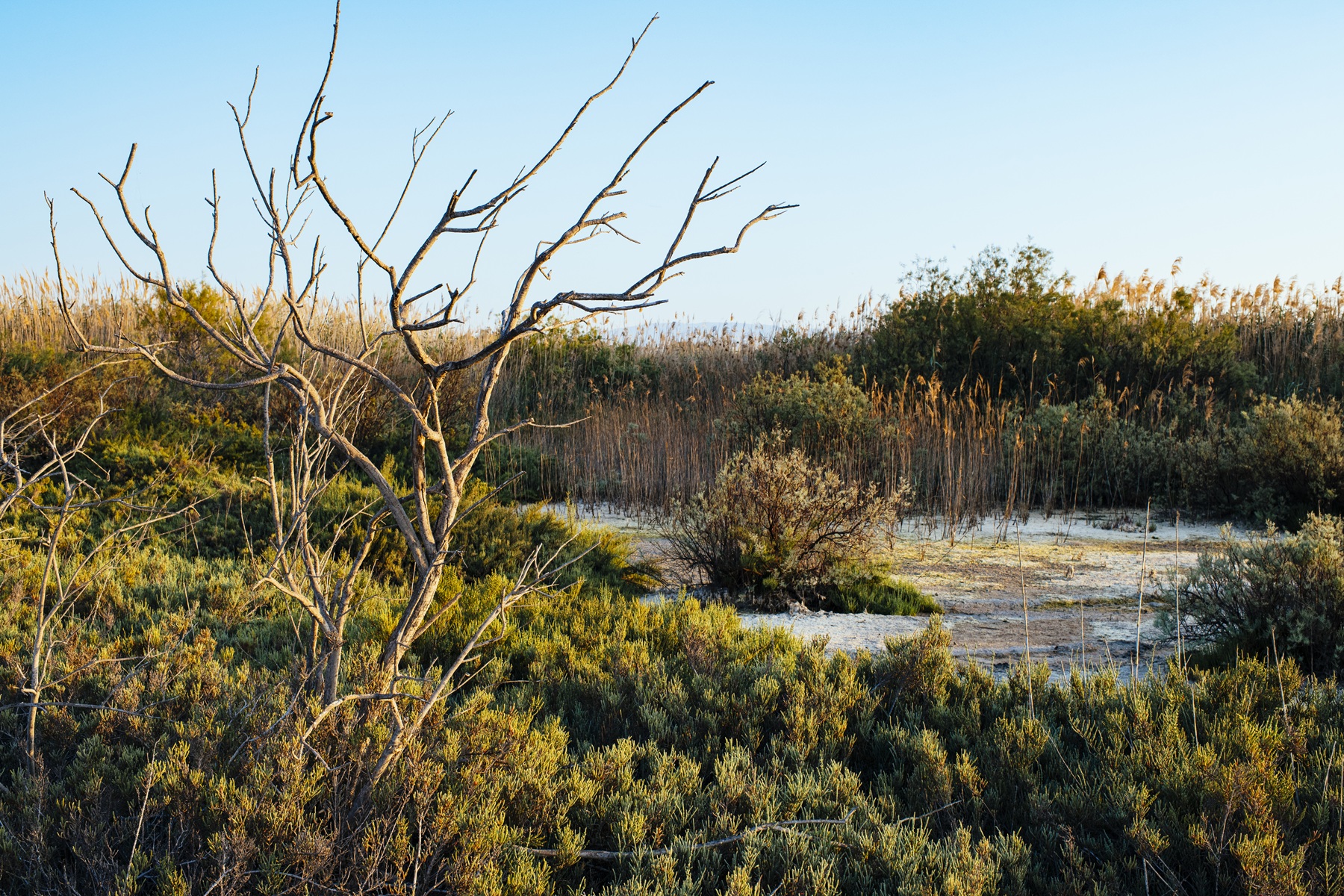
An infrastructural ‘tsunami’ is creeping in across the northern part of the peninsula
By the BirdLife Cyprus team
There is something deeply troubling in watching one of our island’s most precious ecosystems slip quietly into decline. On the most southern part of Cyprus, lies Akrotiri Peninsula and an incredible wetland complex: a place of salt-lakes, marshes, migratory birds and seasonal wonders. And yet, despite its legal protection and international importance, it is being left to its fate.
A wetland at the edge
The Akrotiri wetland complex remains one of Cyprus’s most significant natural areas. Long designated as an Important Bird & Biodiversity Area (IBA) and a Ramsar wetland of international importance, it supports migratory birds, rare species and unique saline habitats. Salt marshes constitute only 0.5-1 per cent of all different types of wetlands worldwide, thus making them the rarest type of wetland. But the signs of strain are unmistakable.
Across the northern part of the peninsula, a ‘tsunami’ wave of development is creeping in: housing estates, luxury villas, golf course, casino, large-scale tourism infrastructure. The casino at Zakaki is just one symbol and the start of how economic ambition and development can overshadow ecological reality. The environmental impact is not only limited to the building footprint but in the subtle reshaping of hydrology, water quality, drainage, surface runoff, vegetation removal and habitat loss.
And make no mistake, the hydrology is changing. Roads are being constructed, surface sealing is increasing, and drainage channels are being cut through sensitive areas. One recent case reported illegal discharge of polluted water into a drainage channel north of the Akrotiri Salt Lake and Lake Makria which are inter-connected.
The national agencies remained silent even after fines were imposed for similar offences in the past. When the relevant authorities appear indifferent or unable to rapidly act in a deterrent manner, the risk to the ecosystem grows risking irreversible damage.
When water regimes change
For a salt-lake complex such as Akrotiri, the balance of inflow and evaporation, of fresh and saline water, is everything. Alter that balance too far and you lose the conditions that made the wetland unique in the first place.
New developments and roadworks bring increased runoff of fresh water, illegal disposal of dewatering into the urban drainage system, altered drainage paths, sewage seeping and other possible pollutants. Historical connections of the marshes, coastal flats and salt lakes are being compromised.
The result? Vegetation shifts, invasion of reeds, loss of open saline flats, reduced bird-friendly habitat, increased mosquito breeding grounds – and the ecosystem gradually morphs into something less special, less complex and less resilient.
The implications for species are real. Birds that rely on open brackish or saline flats will see their home habitat shrinking. Migratory stop-over sites degrade in quality. The biological richness and complexity, the reason Akrotiri matters, is eroded not by a single major event but by accumulation of small changes.
It is what conservationists would call ‘death by a thousand cuts’, where multiple environmental stressors cumulatively lead an ecosystem to its decline.
Flamingos: A canary in the Salt Lake
Perhaps the clearest alarm bell ringing is the precipitous drop in numbers of the iconic Greater Flamingo at Akrotiri Salt Lake. Winter surveys in January 2025 found only 30 flamingos using the site, the lowest count since systematic monitoring began in 1992. That number is even lower than during the severe drought of 2008. Previously, the lake would host between 2,000 and 5,000 flamingos in a typical year; in exceptionally good years, counts of up to 13,000 were recorded.
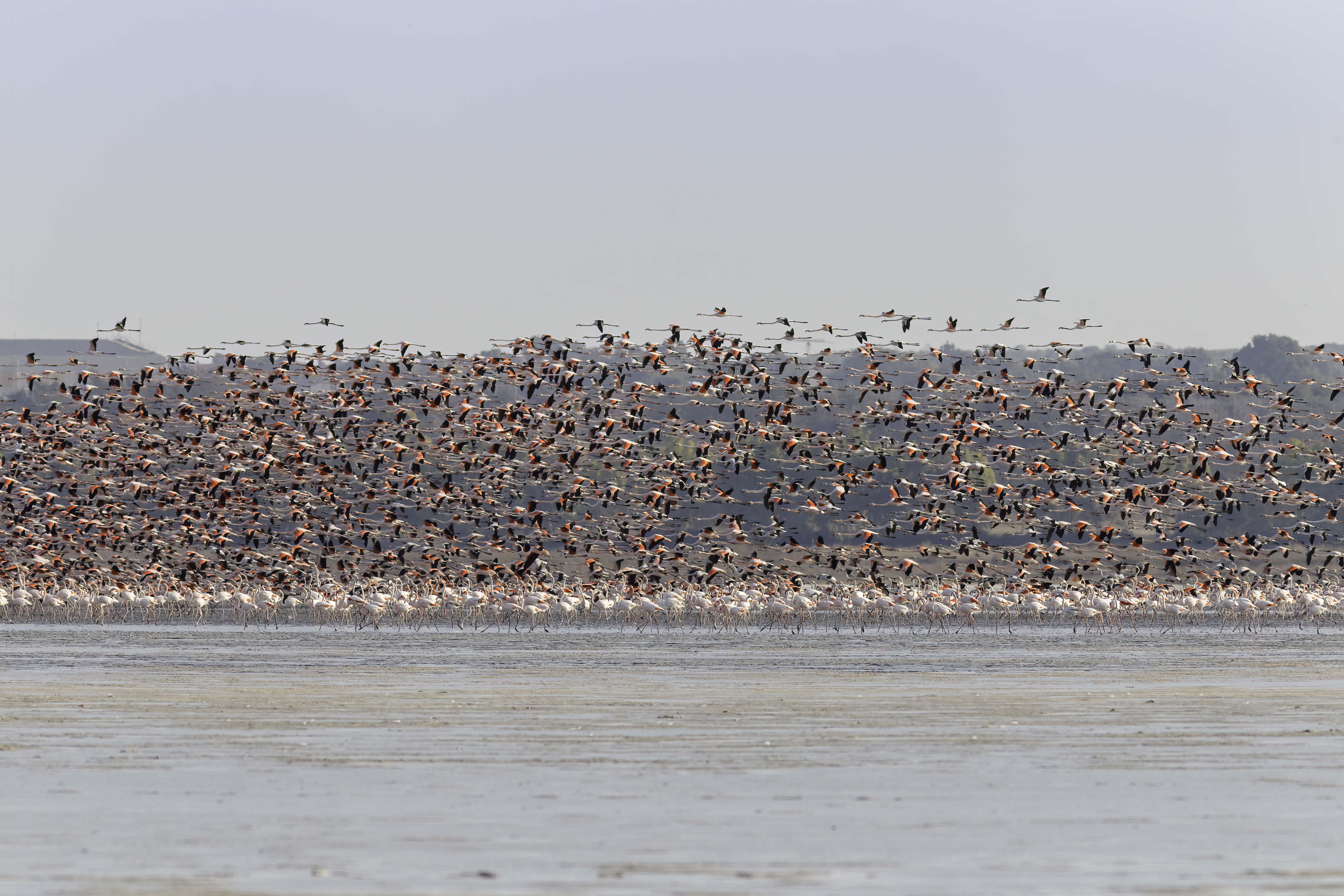
What does such a collapse in numbers suggest? Flamingos are highly visible, their absence signals something far more invisible: a failure of habitat, hydrology, food chains.
The causes appear to be multiple: altered water regimes, polluted water inflows, reduced food (such as brine-shrimp or zooplankton), fragmentation of habitat, and maybe climate signals. But the message is clear: if a flagship species disappears, something profound is going wrong to the ecosystem it calls home.
What it says about us
When the state allows its most important wetland to drift unmanaged, some hard questions must be asked. Are we still serious about the value of nature and its protection. Is there a vision to preserve nature for future generations? Does the designation of protected areas mean more than words on paper? Are planning and water-management agencies coordinating in a way that protects, rather than pays lip-service to, nature protection?
The situation at Akrotiri suggests that economic growth and development are still being placed ahead of ecosystem stability. That hydrological management, often unseen and unglamorous, is being left to drift. And that when responsibility is diffused (multiple jurisdictions) accountability becomes weak.
What is needed now is swift, coordinated action: stopping polluted inflows in this fragile ecosystem; a full hydrological audit to map inflows, drainage changes, land-sealing and water-quality threats; far stricter development controls across the catchment, with proper cumulative impact assessments and regulation of drainage and surface runoff; rigorous pollution monitoring and enforcement to end illegal discharges; clear, unified management across the multiple authorities responsible for the area; restoration; and finally, genuine public engagement that recognises Akrotiri not merely as a niche nature spot but more critically as a vital national asset offering flood protection, recreation, tourism value and a core part of Cyprus’s natural identity.
If we allow it to slip away by default, the loss will be felt long after the buildings have been built and the roads laid. If we act now, with humility and foresight, we can turn around a decline and make Akrotiri a jewel of Cyprus.



Click here to change your cookie preferences