
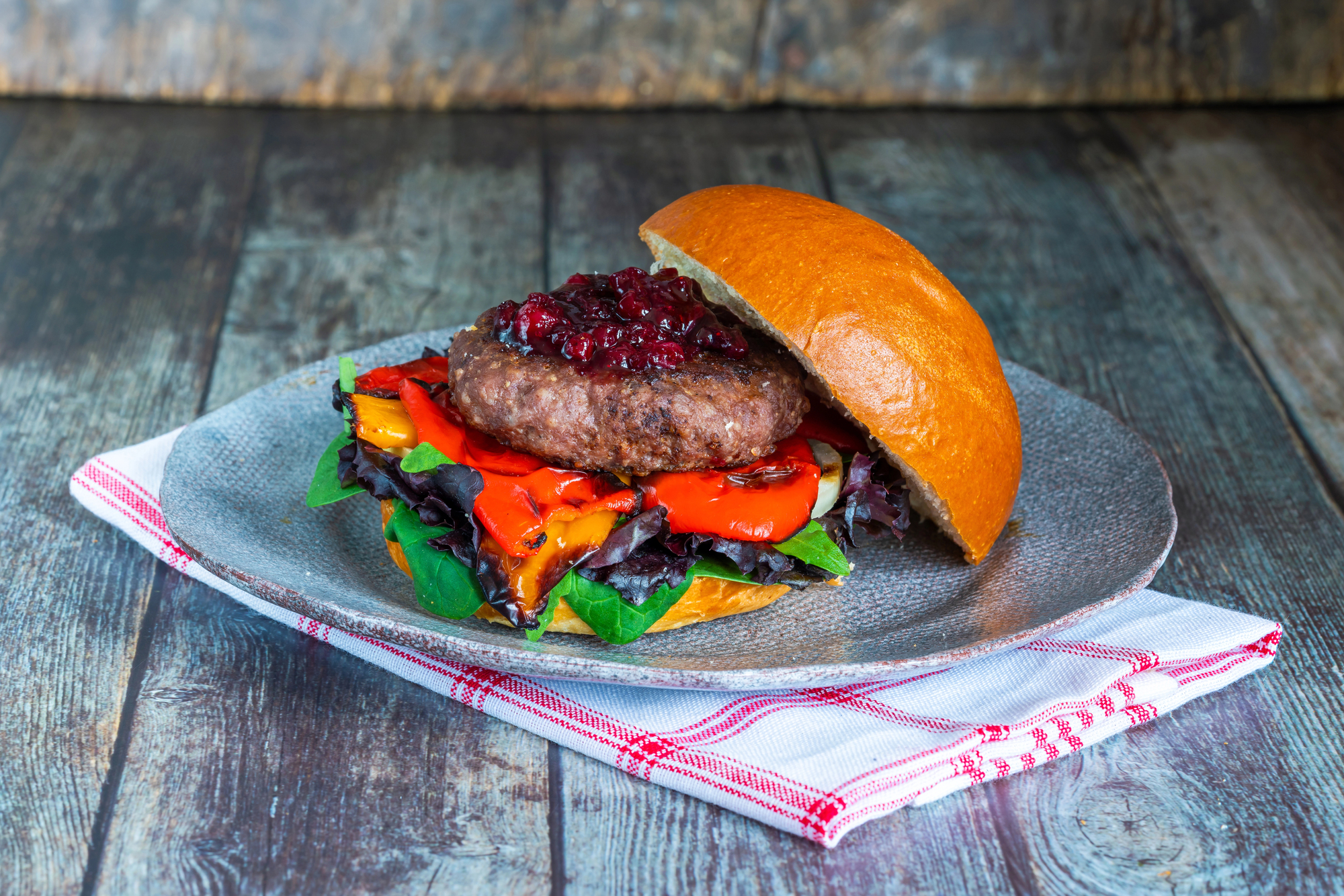
The humble beef burger is disappearing from menus at stadiums across Britain, as venues such as Brentford’s Gtech Stadium switch to wild venison in a bid to slash carbon emissions.
Hospitality partner Levy UK says the move, now rolling out to more than 20 venues in the UK and Ireland, could cut emissions by 85% and save up to 1,182 tonnes of CO₂e (Carbon Dioxide Equivalent) annually.
“Beef has the highest impact in terms of carbon emissions in all of our ingredients that we offer,” James Beale, the Head of Sustainability and Community at Brentford, told Reuters.
“We wanted to replace that with wild venison that has 85% less carbon emissions per kilogramme than our beef burgers. So, it has a massive impact.”
The initiative will supply wild venison portions, served in eco-friendly packaging with condiments made from surplus vegetables, in place of what would have been 54 tonnes of beef burgers.
The venison burger debuted at Brentford’s stadium, while close to 5,500 wild venison burgers were sold at Twickenham in just one month, said sports and entertainment caterer Levy, including at the women’s Rugby World Cup final in September.
“Our fans really like it,” Beale said. “It’s more popular than the beef burger from last year.”
Independent studies vary on the size of the carbon gap between beef and wild venison, however, depending on how emissions are counted.
Levy says Britain’s estimated two million wild deer, which have no natural predators, are helping drive a sustainability push as their meat enters stadium menus.
Using wild venison reduces reliance on artificial inputs, curbs water contamination and supports biodiversity, while offering a lower-carbon alternative to beef, the company said.
Levy added that their nationwide rollout also includes The Oval cricket ground in London, the National Theatre, The O2 and the National Exhibition Centre.





Click here to change your cookie preferences