
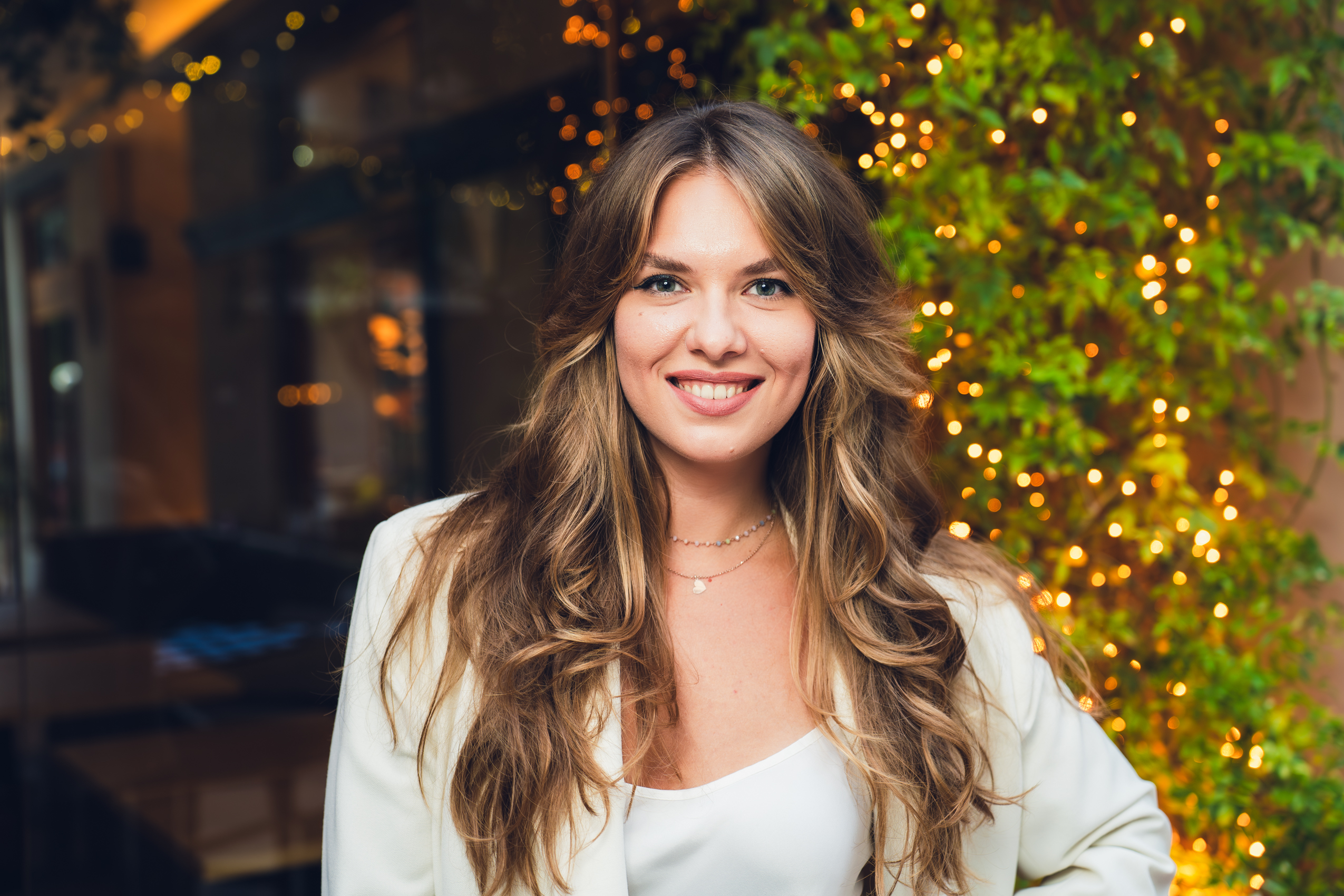
A decade of community-building and a clear-eyed view of what the island’s tech future still needs
Tanya Romanyukha, General Manager of TechIsland and Leader of the Women in Tech Cyprus chapter, has spent the past decade building and connecting tech communities across Ukraine, the US, Europe and the Middle East.
Now based in Cyprus, she works at the centre of an ecosystem that TechIsland describes as the island’s largest tech association, with more than 350 member companies employing over 20,000 people, and a sector that she links to an annual contribution of more than €8 billion to the national economy.
Her route into the industry, however, began without a neat turning point. Tanya said her path into tech was never a straight line.
She never had a single moment where she said, “This is it, I’m going into tech.”
Instead, she explained that it happened gradually, through the work she was drawn to, the people she met and the opportunities that came from that.
One of the earliest moments that stayed with her came 14 years ago, when she met a woman who became her role model and invited her to work on a project that turned into one of the first Ukrainian US startup accelerators.
This was back in 2011, when almost nobody in Ukraine was talking about startups or Silicon Valley, she said, and she remembers being surrounded by women.
“Our team was mostly female, and it felt completely normal that we were the ones building the first UA–US accelerator,” she said.
The work was practical and intense, helping founders turn ideas into real products, bringing in mentors and VCs who were mostly men, and, as she put it, “somehow this mix just worked.”
For Tanya, that period also clarified what she was good at and what she enjoyed. “For me, it all felt very natural, connecting people, translating between different worlds, making everyone collaborate smoothly and helping something new grow,” she said. “It was exactly the place where I felt I belonged.”
Later, she moved into venture capital and saw a different version of the same industry. Tanya said she was often the only woman in the room.
In meetings in the US, she explained, as soon as the conversation shifted to business, eyes would automatically turn to her male colleagues, even when she was the one with more experience on the subject.
“Nobody did it intentionally, but it was there, and it shaped me,” she said. For a while she even tried to adjust, “dressing differently, smiling less,” until she realised how unnatural and exhausting that was.
Motherhood then shifted the ground again. When her daughter was born, she said, she suddenly understood the mental load every working mother carries, and how it can feel like having two full time jobs and one heart that is constantly divided.
When she moved to Cyprus, Tanya described yet another reset, with a new country, new culture and new expectations. She said she realised how few visible female role models there were here, and that it pushed her to stop trying to find “my place” and instead start building the community she needed.
That instinct sits behind her work on Women in Tech Cyprus, which grew out of an earlier initiative she helped launch with Gala Grigoreva.
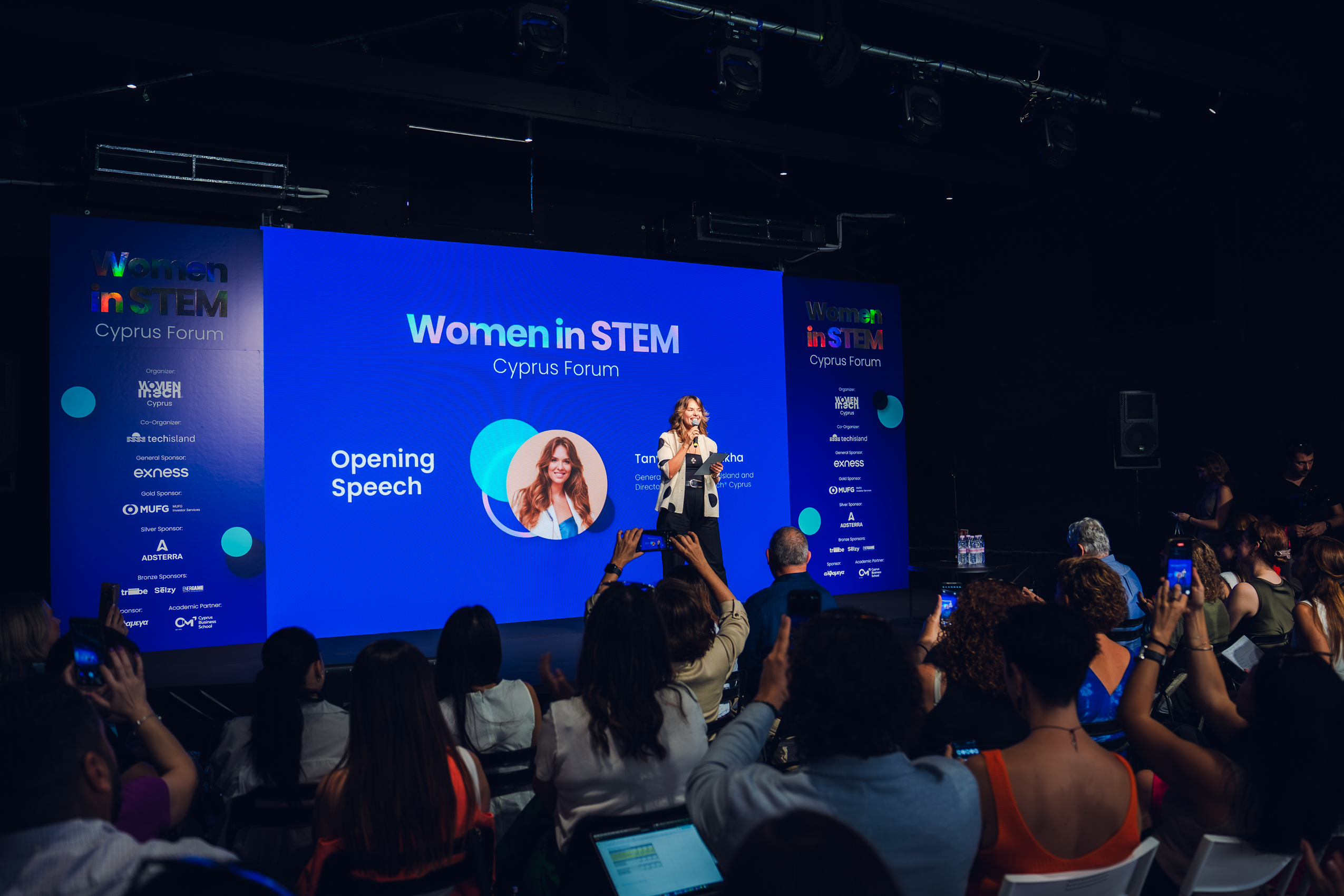
Tanya said Cyprus’ tech ecosystem was developing quickly, currently ranking first in EU in GVA ICT (gross value added of the information and communication technology sector) growth with over 347 per cent in the last ten years, while the tech sector has 16 per cent direct contribution to GVA, “that is €8 billion to the Cyprus economy.”
Still, she felt that the stories and achievements of women were not yet visible in a unified way. There were talented women everywhere, she said, but connecting with them wasn’t straightforward, and that highlighted the need for a dedicated space.
Together with Gala Grigoreva, “we created IT Ladies, which then expanded and became Women in Tech Cyprus, the official chapter of the Women in Tech Global movement,” she said.
For Tanya, the motivation was practical, but also personal. “For me, this is not just another initiative,” she said. “It came from a very personal place, from wanting women to feel they have the space, the support, and the visibility they deserve.”
She explained that the platform allows women to come together, learn from one another and feel less alone in environments that can still be overwhelmingly male. It also allows women’s voices to be elevated publicly, she said, because “if young girls don’t see women in tech, they won’t imagine themselves there.”
Her view of the landscape in Cyprus is that progress is real, but uneven.
At the Women in STEM Cyprus Summit 2025, she said IMR UNIC presented a study they ran together, and the results confirmed what many women feel in daily experience.
Women are entering STEM because they genuinely love it, she said, with 81 per cent saying personal interest was their primary motivation, “but somewhere along the way, the system doesn’t sustain them.”
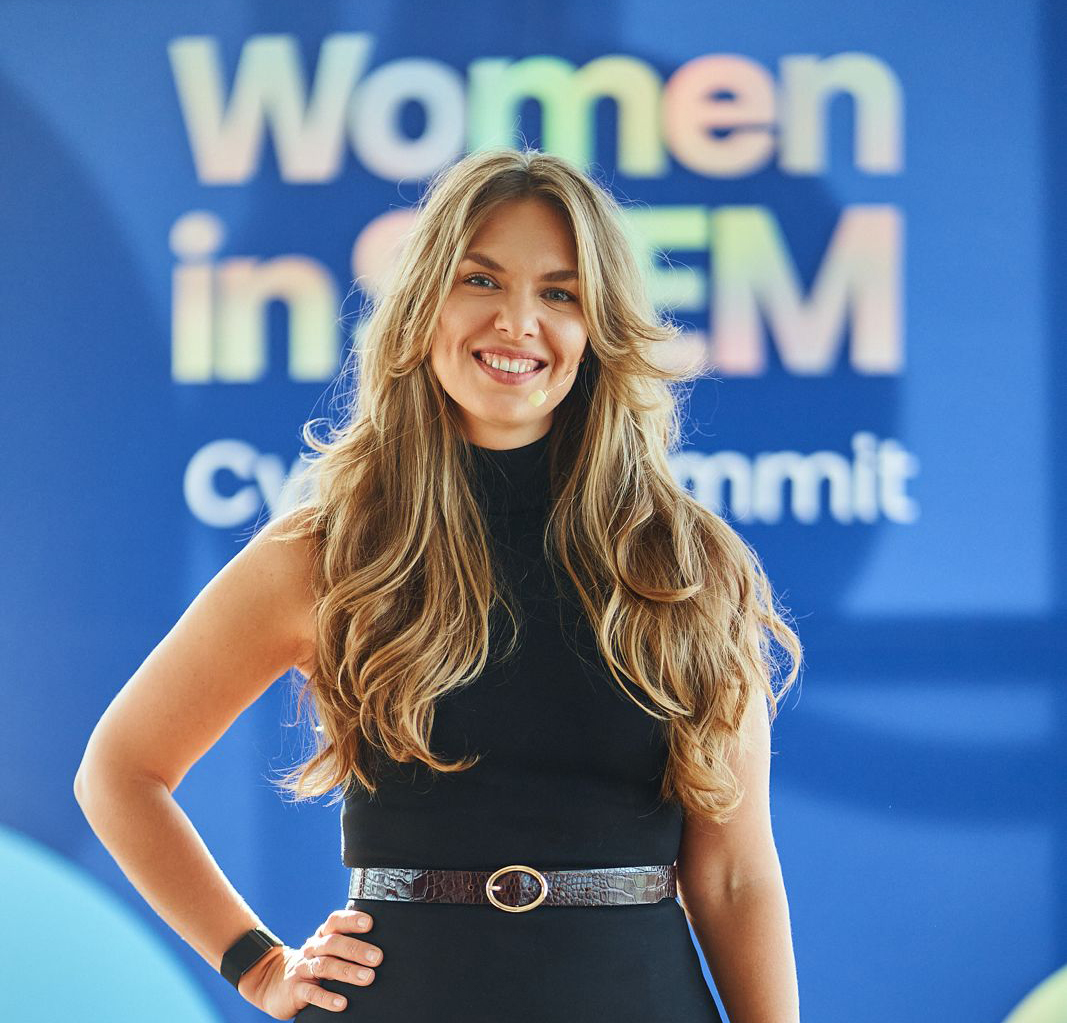
She said many women reported being one of very few in their teams, while a significant number rarely see women in leadership around them. The feeling of having to constantly prove yourself came up again and again in the responses, she said, and “none of this surprised me.”
The pressure is also structural, she argued, shaped by expectations well beyond the office.
Tanya said Cyprus, as many other countries, has strong traditional expectations around caregiving, and that reality showed up in the data too.
Almost every woman with caregiving responsibilities spoke about guilt and pressure, she said, and more than half said it directly affected their career progression.
“These are not small things,” she said. “They shape confidence, decisions and long-term opportunities.” As she put it, the obstacles aren’t about talent.
“Women in Cyprus are incredibly capable and empowered,” she said. “The obstacles are cultural, structural and often invisible until you hit them.”
Because of that, she believes the work starts earlier than most people assume. Tanya said one of the biggest things that needs to change is the mental picture of what a woman in tech looks like.
She pointed to a moment from The TechIsland Podcast, where a guest shared a story that stayed with her. The guest asked a group of teenagers what they imagined a woman developer looked like, and one of them said,
“She probably has a moustache.” Tanya said it was funny, but it told you everything you need to know. “We’ve done a great job branding the male developer,” she said, describing the familiar image of someone innovative, well paid and shaping the future, while the image of a woman in tech does not appear naturally in young people’s minds yet.
So, she said, the real work starts much earlier than university. It starts at a young age with girls seeing women who code, women who lead engineering teams, women who build products and companies.
It starts with teachers who encourage girls with the same enthusiasm they encourage boys.
And it starts at home, “letting girls follow what interests them, without pushing them toward or away from anything because of stereotypes.”
For Tanya, the conclusion is simple. “When the image becomes normal, the path becomes normal,” she said.
That same realism shapes how she talks about workplace culture, especially for women trying to balance ambition with wellbeing.
Tanya said the workplaces where women thrive are the ones that recognise reality instead of pretending it doesn’t exist. Flexibility matters, she said, but “real flexibility, not the type that exists only on paper.”
Clear opportunities for progression matter just as much, she added, because women want to know that taking a caregiving break or choosing hybrid work won’t quietly close doors.
Then there is culture. “Culture sets the tone for everything,” she said, and in cultures where exhaustion is treated like a badge of honour, “women pay the highest price.” As she put it, “I’ve seen it, and I’ve lived it.”
Her message to girls is built around curiosity and range. “To girls, I would say, follow your curiosity,” she said. “It’s your strongest guide.”
Try robotics, coding and science, she said, “but also art, music, whatever pulls you.” Above all, she added, “Don’t let anyone tell you what your talent is supposed to look like.”
For women already in the workforce, her advice is to treat influence as something practical and shareable rather than abstract. “To women, I would say, be a voice of change in your own way,” she said. If someone supported you, support someone else, she said.
If you feel guilty for resting, remind yourself that burnout is not a sign of strength. And if you ever feel like you don’t belong, she added, remember that progress has never happened because people felt completely ready, “it happens because people decide to show up anyway.”


Click here to change your cookie preferences