
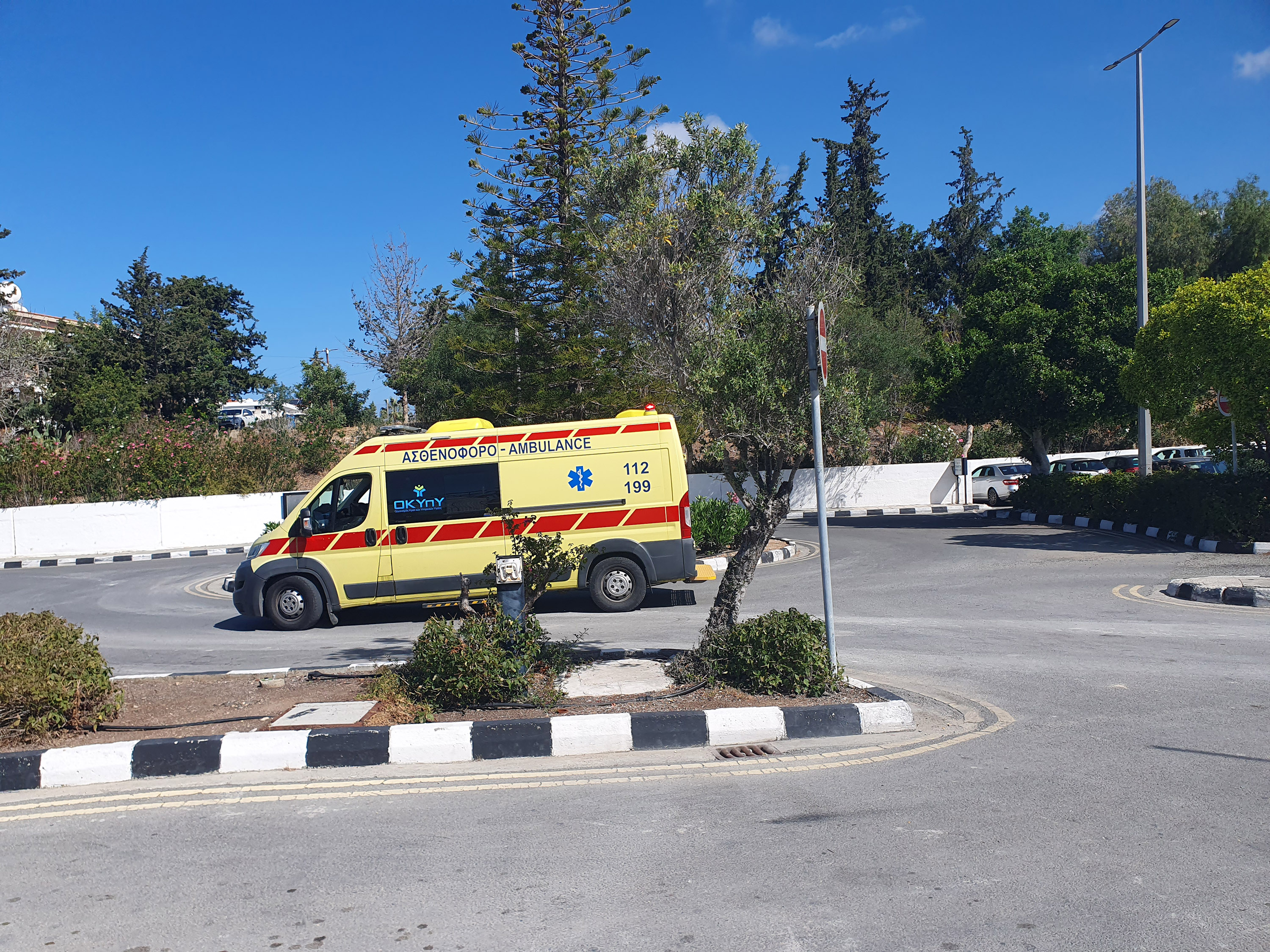
Hospitals across Cyprus were between 85 and 90 per cent full during the holiday period, with that figure set to rise over the coming days in the aftermath of festive gatherings, state health services organisation (Okypy) spokesman Charalambos Charilaou said on Friday.
Speaking to CyBC radio, he said the high occupancy rate is “a natural consequence of the period”, and that many of the admissions seen during the holiday period came about due to “seasonal infections”.
Later on Friday, he told the Cyprus News Agency that increases in such incidences are often caused by people “confining themselves to closed spaces” indoors during the winter, while also attending “festive season gatherings”.
Most of those cases, he said, were patients who had contracted influenza ‘A’, while one person died of the disease.
On this matter, he stressed that “we will have deaths, like every year”, but said that this year’s rate of infection resembles that of last year, and that the rise in cases over the holiday period has not “affected the functionality of the health system”.
He said that most of these hospitalisations concern patients with pre-existing conditions, the elderly, and those with immune system deficiencies.
“It is for this reason that we advise people … even though there are no restrictive measures, that it would be good for them to limit their movements, to avoid gatherings, to avoid coming into direct contact with people belonging to vulnerable groups and especially the elderly,” he said.
Additionally, he said that when people gather in indoor spaces, they often do so “without proper ventilation”, and that this “multiples the risk of transmitting viruses and infections.
To combat this risk, he said “it would be good when we are in such gatherings to open windows so that spaces are adequately ventilated”. He also suggested that people wash their hands well.
He added that around 112,000 people across the island have thus far received the influenza vaccine, before briefly commenting on cases of Covid-19.
“Covid has come into our lives and will remain. The number of cases is very low and not worrisome,” he said.
He also spoke about cases of respiratory syncytial virus (RSV), saying that “this phenomenon has not been strongly observed, while there are a few incidences”, while in previous years, the disease had caused paediatric units to be full.
This comparative reduction, he said, “may” have come about thanks to Gesy providing vaccinations against the disease to infants under eight months of age and to pregnant women.



Click here to change your cookie preferences