
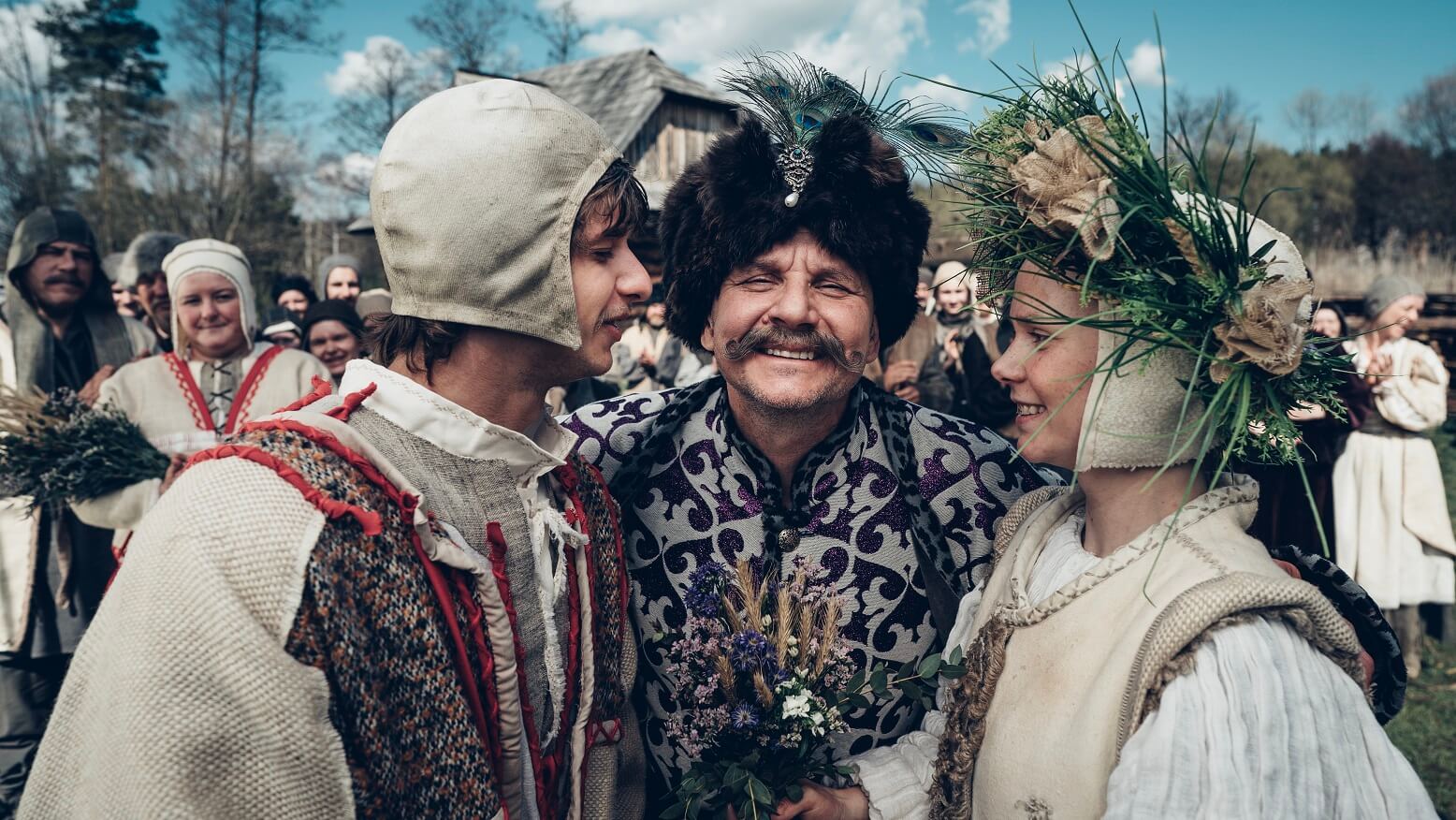
The Polish Netflix series 1670 is a mockumentary-style satire that follows the feuds and misadventures of a noble family in the 17th-century village of Adamczycha, in what was then the Polish-Lithuanian Commonwealth.
The show lampoons Polish nobility of the time while slyly poking at the same anxieties and absurdities that still echo in modern Poland, using intentionally anachronistic dialogue and modern slang dressed in historical garb.
The show’s centre of gravity is Jan Pawel, the aristocratic patriarch who owns half of Adamczycha. Childish, petty, and dim-witted yet well-intentioned in a bungling way, he’s a tyrannical but comedic boss.
What keeps him, like much of the cast, likable to watch despite his detestable traits is the show’s habit of relentlessly puncturing his self-importance, reducing him to the punchline more often than not.
Pawel is married to Zofia, a religious zealot who just so happens to enjoy lounging on the floor in a cross shape. Cold, serious and cunning as she is, there is an eerie air to her. Her main mission? Marrying off reluctant daughter Aniela to a rich aristocrat.
The lovely pair also has two sons: Jakub and Stanislaw.
Stanislaw, the eldest son and heir, mirrors his father in intellect but not in temperament, lacking the brains yet retaining a far kinder heart.
Jakub is a priest whose ego is almost as inflated as his sass. Pompous, scheming and far less clever than he imagines, he treats faith much like much a business model than a calling.
Aniela, the rebellious daughter, is something of a tomboy who questions power, privilege and the status quo. As the only noble to mingle with peasants, she soon catches the eye of the blacksmith’s new assistant.
Each of the characters experiences growth, with clear arcs and enough depth to keep them from turning into caricatures. The same care runs through the production. Nothing feels thoughtless or unintentional.
Despite presenting Poland in a less-than-glamorous light, the show was surprisingly well received, even winning Best TV Series at the 2024 Polish Film Awards.
While some references or cultural nuance may fly over the heads of an international audience, neither a history degree nor a Polish passport is required to enjoy and laugh along with this charming show.

Click here to change your cookie preferences