
Audiences never forgive the character that appears to be only human
We love television for many reasons, but the biggest one is escapism and comfort. TV is a controlled environment, whereas real life is chaos. Anything can happen at any moment, often for no reason at all. In television, everything happens because of something.
And the greatest luxury of all? TV tells you exactly who to root for. Heroes are clearly marked. Villains are clearly framed. You are never confused about how you’re supposed to feel. Writers even have a name for the trick: the “save the cat” moment. Show a character doing something small and morally decent early on, and the audience signs an emotional contract. This is who you like. This is who you follow.
Real life, of course, doesn’t work like that. Someone might save a cat just so they can take it home and abuse it later. Television spares us that discomfort.
Sometimes, though, audiences revolt – not against villains, but against characters who break the illusion. Characters who act like actual human beings. Characters who slow the fantasy down, ask annoying questions, or refuse to clap when the monster delivers a cool monologue. These characters aren’t written as antagonists, but viewers treat them like war criminals anyway.
Their real crime? Reminding us that this is fiction – and that reality is messy.
Lori Grimes, The Walking Dead
It is genuinely impressive that in a show populated by flesh-eating zombies, sadistic cannibals, and roaming murder gangs, the most hated character turned out to be a stressed-out mother.
Lori Grimes is remembered as nagging, selfish, indecisive and “the reason people died.” She is also remembered as the woman who “cheated” on her husband.
What fans like to forget is that Lori believed Rick Grimes was dead. Not missing. Not maybe alive. Dead. She mourned him, adapted, and latched onto the nearest form of safety in a world that had collapsed overnight. When Rick miraculously returns, the audience expects her to emotionally reset like a bad laptop.
Her real offence, though, isn’t romantic confusion. It’s her refusal to treat the apocalypse like a video game. Lori worries about Carl because she understands something the genre often ignores: survival without humanity is just a slower form of death.
Lori Grimes doesn’t break The Walking Dead. She breaks the fantasy. And audiences never forgive the character who reminds them that the fantasy is hollow.
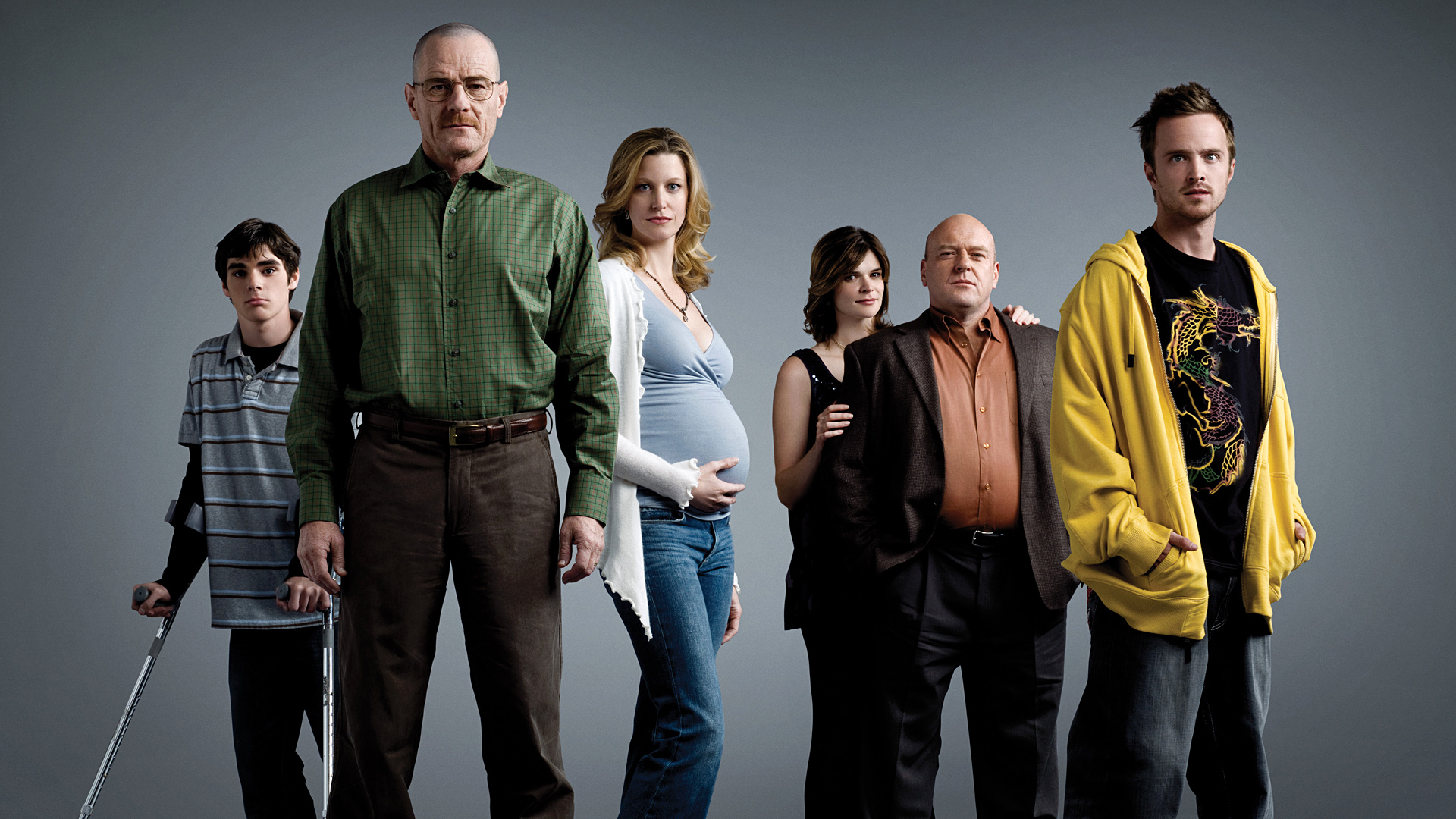
Skyler White, Breaking Bad
If unfair hatred were an Olympic sport, Skyler White would have a shelf full of gold medals.
Walter White is one of television’s most seductive power fantasies. He outsmarts everyone. He controls rooms. He walks into danger and bends it to his will. Viewers watched him poison children, manipulate, murder and still rooted for him because he did it confidently.
Skyler, meanwhile, had the audacity to react like a normal person upon discovering her husband was a meth-producing sociopath. She didn’t applaud the transformation. She didn’t become a ride-or-die partner. She panicked, resisted and tried to protect her children from a man who calmly declared, “I am the danger,” while they slept in the next room.
Every move Skyler makes is defensive. She is not chasing power. She launders money because the alternative is prison or death. She lies because the truth would obliterate her family. She is living inside a hostage situation.
The audience turned on her because she refused to romanticise Walter’s descent. And when Walter finally admits, “I did it for me,” Skyler is vindicated, far too late to undo years of misplaced hatred.
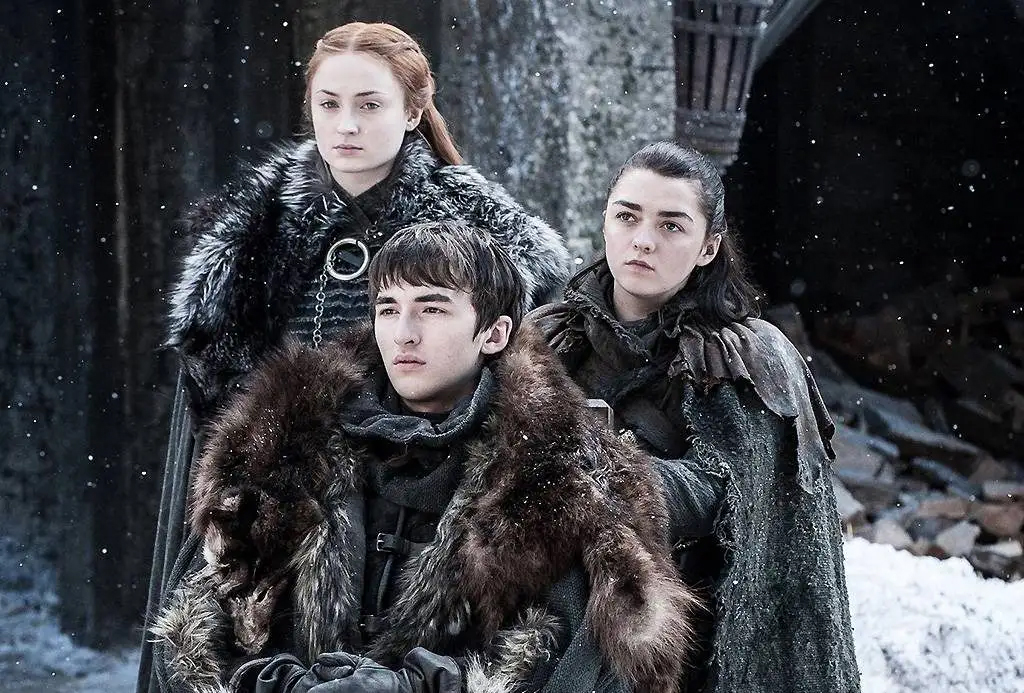
Bran Stark, Game of Thrones
Bran Stark’s ending broke people. Not because it didn’t make sense but because it wasn’t satisfying.
Fans wanted a conqueror, a warrior or a tragic tyrant on the Iron Throne. What they got was a disabled mystic whose primary function was memory. Reddit melted down. Think pieces exploded. “Who has a better story?” became a meme, then a punchline, then shorthand for disappointment.
Here’s the uncomfortable truth: Bran was the only logical choice.
By the end of the series, Bran is no longer driven by desire. He doesn’t want revenge. He doesn’t crave power. He doesn’t burn cities because he’s having a bad week. He represents continuity, restraint and record, everything Westeros lacked during its endless bloodbath.
Bran isn’t exciting because good governance isn’t exciting. It’s dull. It’s procedural. It’s what prevents the next war. History doesn’t scream or swing swords. It watches, remembers and quietly judges.
Audiences hated Bran because he denied spectacle. And by the final season, spectacle was all they wanted.


Click here to change your cookie preferences