
The legal service on Tuesday rejected a request by parliament for the disclosure of donors to the social support agency until recently chaired by first lady Philippa Kasera, effectively blocking further parliamentary scrutiny of the fund’s financing.
In a letter, accountant-general Andreas Antoniades informed the House institutions committee that he would not submit the names of donors or the amounts contributed from 2020 onwards, citing a legal service opinion that found no legal basis for such disclosure.
The opinion warns that complying with the request could expose the agency to administrative sanctions and would breach EU personal data protection law.
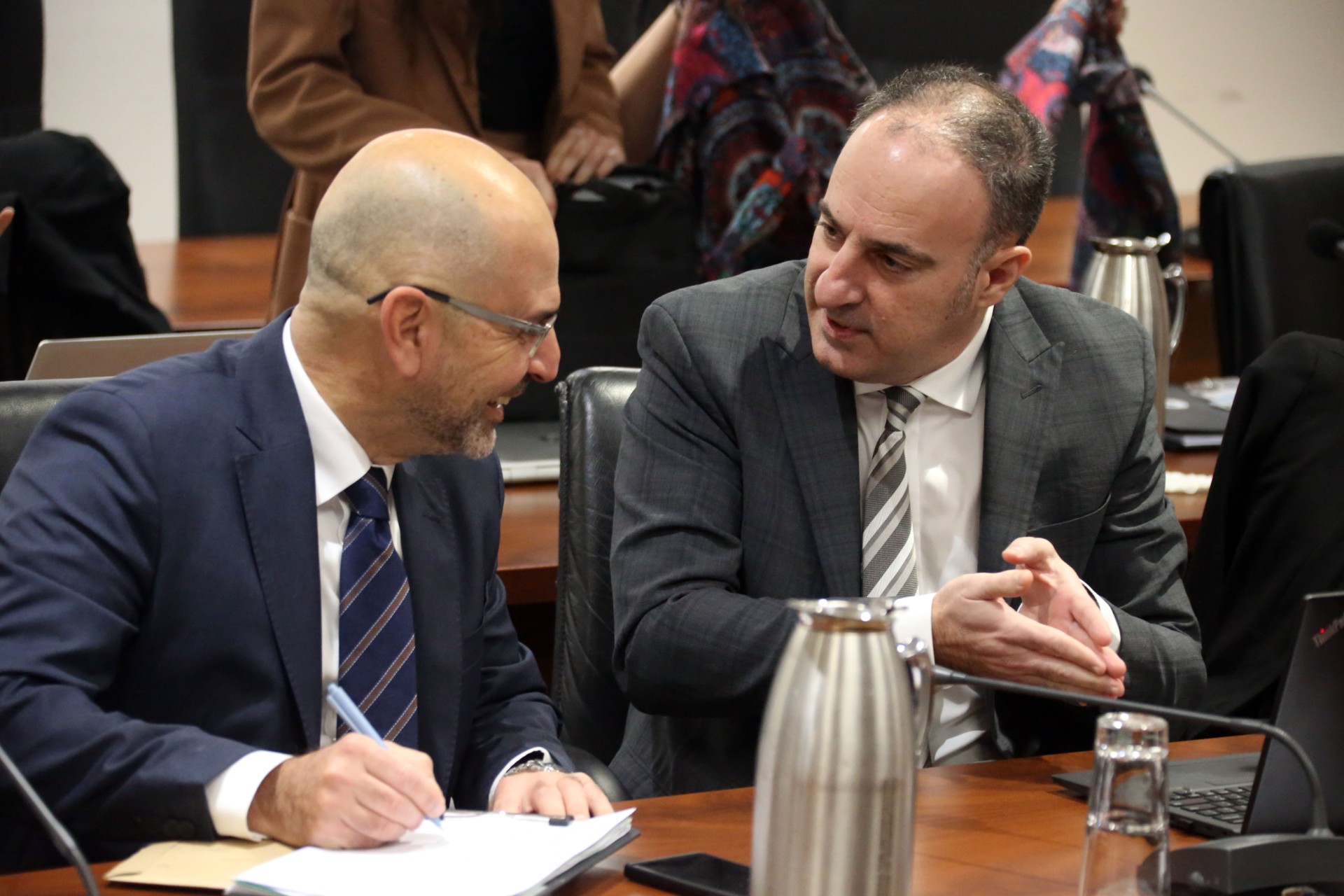
The request had been submitted on January 15 by the committee chairman Demetris Demetriou as part of parliamentary oversight into the funding of the agency.
MPs sought full disclosure of those who made donations between January 1, 2020 and December 31, 2025 as well as information on anonymous contributions, in order to examine potential conflicts of interest and allegations of political patronage.
A widely circulated video suggested that investors seeking to bypass bureaucratic procedures or gain presidential support were encouraged to contribute to the fund chaired by the first lady rather than to other charities.
Further questions were raised by a report from the audit service which referred to a special relationship arising from the fact that the president of the agency is married to the President.
The report highlighted multiple cases in which individuals or companies made substantial donations while holding state contracts, negotiating major agreements with the government or awaiting regulatory decisions.
Between March 2023, when the first lady assumed the presidency of the Agency, and the end of 2025, private contributions reportedly reached €6.4 million.
The audit service identified donations of up to €600,000 by individuals, large contributions by companies negotiating state contracts, shipping firms affected by tax decisions, financial services companies under regulatory scrutiny, and persons linked to the national investment programme.
According to the legal service, parliament could resubmit a request only if it is sufficiently justified and strictly limited to absolutely necessary data.
Even then, donor names would have to be replaced with initials, corporate names anonymised to prevent identification of individuals, the time period reduced to less than six years, and all information classified as confidential.




Click here to change your cookie preferences