
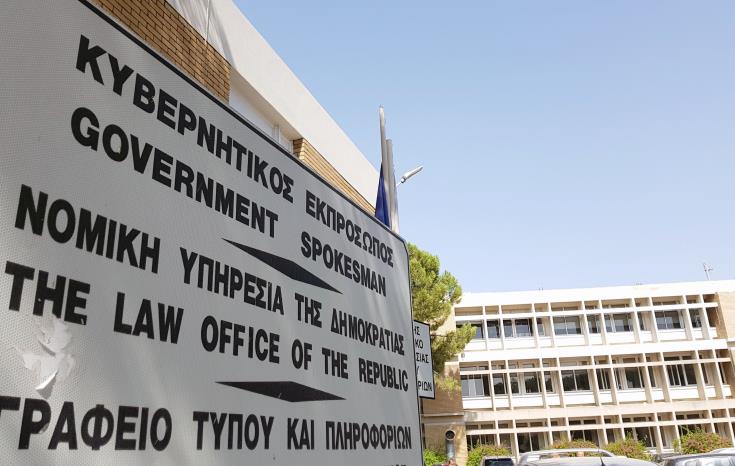
It is extremely difficult to understand the rationale, if there is any, behind the opinion issued by the legal service, asserting that the disclosure of the names of the companies that contributed funds to the Independent Social Support Body would be a violation of the law on the protection of personal data. In effect, the legal service has arbitrarily blocked transparency and the exposure of conflict of interest involving the highest office of state, on the pretext of protecting personal data.
Citing the General Data Protection Regulation (GDPR) to prevent transparency on an issue of legitimate public interest is absurd. The legal service’s opinion was given to the accountant-general, who had been asked by the House of representatives to provide the names of the companies that made contributions – and the amount – to the Social Support Body that was run by the wife of President Nikos Christodoulides. The Body raised €6.4m, since early 2023, when she took over, but the identity of the donors has been treated as a state secret, the legal service contending that if deputies were informed the name of the company that donated €200,000, the GDPR would be violated!
But how can a company be covered by GDPR, which came into being in order to protect the personal data of an individual? What personal data of a business does the legal service want to protect with its interpretation of the GDPR and claim that any disclosure would “expose the social support body to administrative sanctions.”? Is the possibility of “administrative sanctions” a good enough excuse to cover-up allegations of corruption and conflict of interest? Surely it would be a small price to pay for transparency, which has taken a big beating by the government despite the rhetoric.
Independent deputy Alexandra Attalides should be commended for taking a stand against this outrage. She did not accept the legal service’s interpretation of the law, insisting that withholding donor identities on the grounds of personal data protection was incompatible with European law which allowed disclosure in cases that could involve corruption, money laundering and abuse of power. Attalides said the House institutions committee had no intention of letting the matter go and that it could be taken to Brussels because the “systematic misuse of the data protection law to obstruct transparency,” was unacceptable.
The chairman of the committee, Demetris Demetriou, said the refusal to give donor details to the legislature struck “at the very cause of democracy” and amounted to a rejection of parliamentary oversight of the executive, which was enshrined in the constitution. It is encouraging that deputies from most of the parties are standing up to the legal service, which many believe is protecting the executive, which obviously does not want the first lady’s dealings with wealthy businesspeople to become public knowledge. The parties must not let the government off the hook.





Click here to change your cookie preferences