Keeping Cyprus’ blood flowing: 15 minutes of your time can save a life
My understanding of blood donation is not abstract. As a teenager, I was hit by a speeding car while crossing the road and needed surgery, treatment and a blood transfusion to recover. I owe my survival in part to a person I will never know, a donor who gave without expecting anything in return. It’s a reminder of how powerful a single donation can be and why the need for blood donors in Cyprus remains important.
Hospitals across the island rely on a consistent supply of blood for a broad range of reasons, from emergency trauma cases, surgeries, cancer treatments and chronic blood disorders. Donation levels tend to fluctuate with the season, dropping around holidays, and exam periods, even though the need for blood remains the same. Maintaining a safe a reliable supply depends on regular voluntary donors.
Although fluctuations may seem small, their effects ripple across the health system. When turnout drops, hospitals have fewer options to redistribute supply, resulting in difficulty maintaining buffers needed for emergencies. Sustaining this balance requires efforts from health organisations as well as the public.
Community groups help promote awareness and organise drives; however it is regular donors that ultimately keep blood flowing into the system. Many donors give consistently, motivated by personal experiences or a sense of responsibility. Their stories demonstrate not only why people donate but how they collectively aid the system.
One of those regular donors is Nicos Kyriakou, who first gave blood as a student during a school campaign. The experience stayed with him, “They showed us a video explaining how blood is used in transfusions, featuring actual recipients,” he says. “Seeing the happiness and gratitude they expressed is what triggered my desire to help”.
Since then, Kyriakou gives blood every three months. What initially started as an act of kindness has developed into a habit. “I’ve been doing it for so long it has become routine,” he says. “The feeling of actually helping people becomes addictive.”
Donors now receive a message confirming when their blood has been used, a reminder that their contribution has reached someone in need. “It really makes the experience much more meaningful,” says Kyriakou.
For anyone unsure about donating, his advice is simple. “Don’t think twice, there is no pain or anything to worry about. You sacrifice 15 minutes of your time, and you greatly improve someone’s life”.
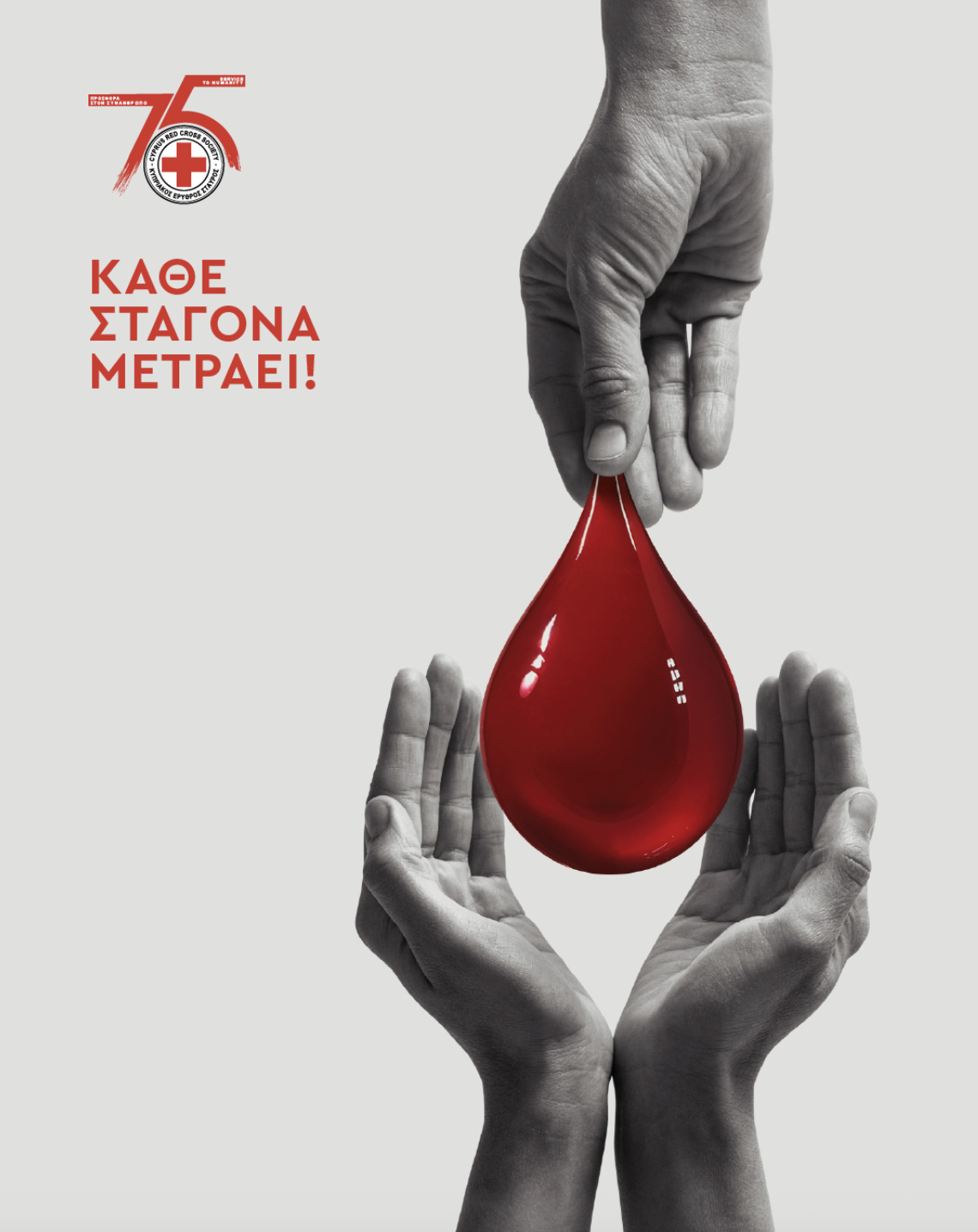
Regular donors are essential in sustaining a national supply; however this also requires ongoing organisational support. One such organisation is the Cyprus Red Cross. Although the Cyprus Red Cross does not directly conduct blood donations, they actively promote, support and facilitate initiatives in cooperation with national services. Its volunteers and outreach programmes play a central role in keeping donors engaged and assist in encouragement of new participants to step forward. The blood drives include all high schools and universities.
In Limassol alone, the Red Cross participates in 50 to 60 blood drives annually, resulting in a collection of around 1,500 bags of blood. A lot of this work is focused on centres of education, where students are introduced to the donation process. The Red Cross provides refreshments and small tokens of appreciation to first time donors and offers practical support during each drive.
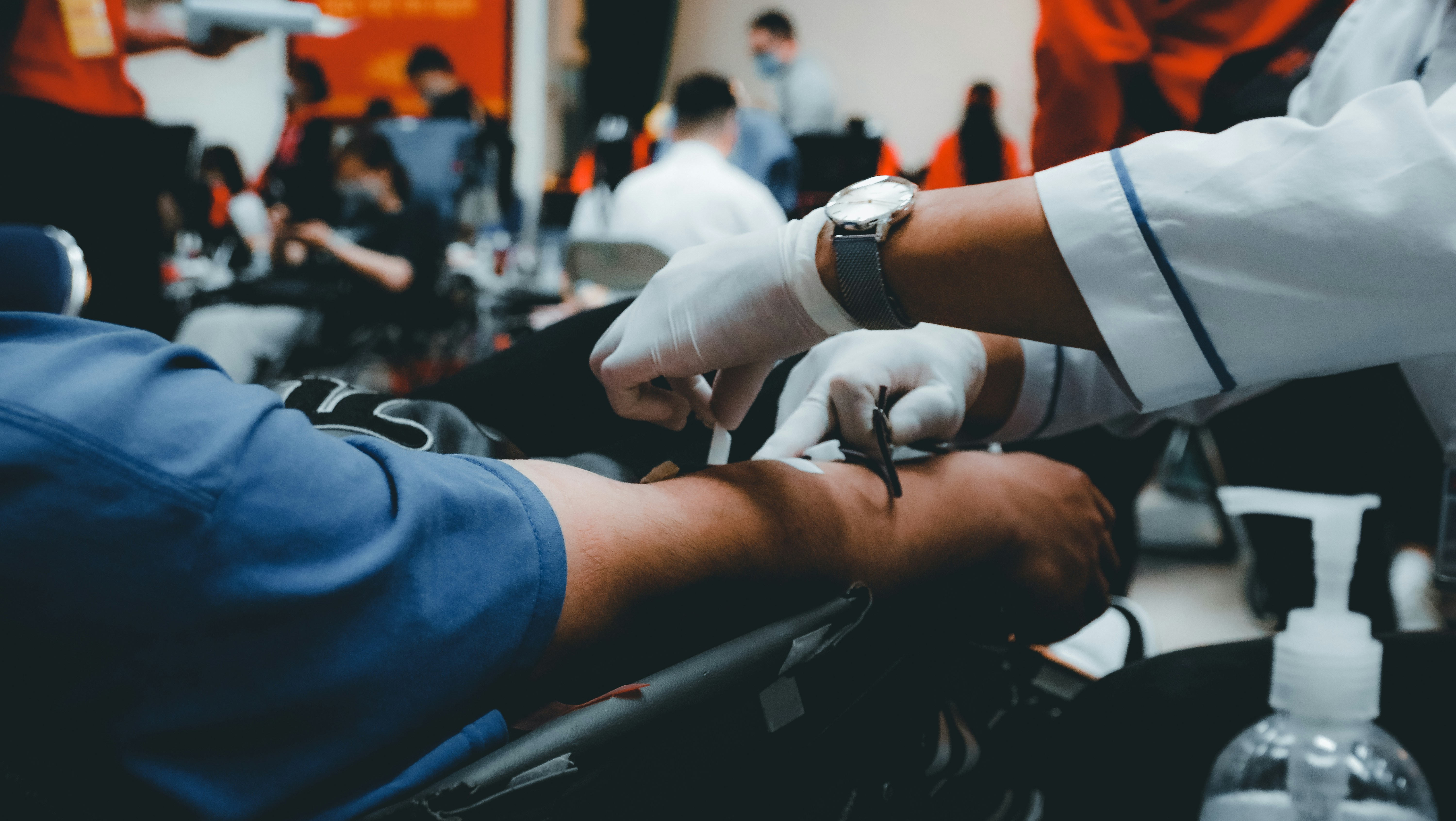
According to Polina Savva, who coordinates these efforts in Limassol, voluntary donation remains essential to the health system, even though the national Blood Center monitors blood reserves. Donation is straightforward, she says, a short questionnaire, a quick health check, and the blood donation that usually take around 20 minutes. “It’s a smooth experience and most people feel proud and happy they took part. If you’re thinking about donating, we encourage you to give it a try. It doesn’t take long, and it truly saves lives”.
Blood donation is essential to medicine because human blood has no artificial substitute. Hospitals require continuous supplies of red cells, plasma and platelets, each with distinct therapeutic uses and limited storage life.
Professor of Medicine at the University of Nicosia and pediatric oncologist and hematologist Dr Loizos Loizou says that blood transfusions are woven into daily medical care in Cyprus. Besides supporting emergency cases, they are also essential to help those undergoing surgery, cancer treatment or managing chronic blood disorders. “For many patients, transfusions are essential,” he adds, “and stable reserves are critical for hospitals to operate safely”.
Donating blood carries benefits not only for recipients but also for donors themselves, he says. “Giving blood is something very humanitarian, the amount of blood taken is minimal, the body creates it nonstop, it is also beneficial because you undergo routine examinations whenever you go”.
Cyprus’ health system relies on the generosity of donors, volunteers and medical staff, including those who many never know the difference they’ve made. I am one of those people who have directly benefited from that generosity. As a teenager lying in a hospital bed after an accident, I depended on blood donated by someone I will never meet. Their decision made on an ordinary day, helped me through one of the most difficult times in my life.


Click here to change your cookie preferences