
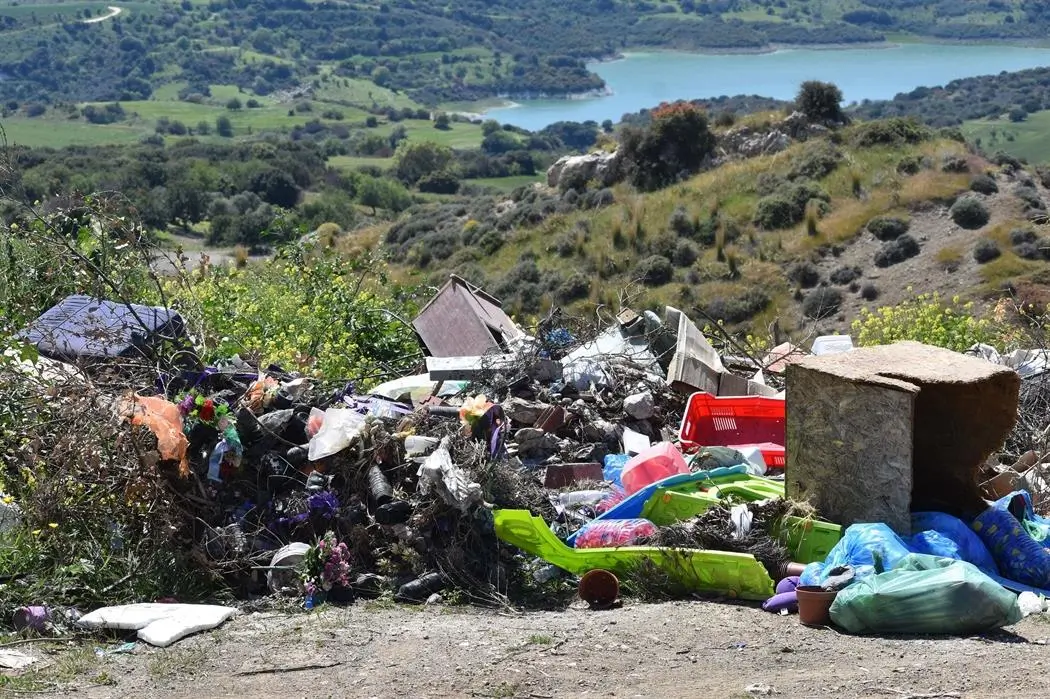
The House last week passed a law providing for stiffer fines for fly-tipping but at the same time MPs cautioned that lax enforcement makes the legislation moot.
Under the changes, the out-of-court fine issued by an inspector goes from €4,000 to €8,000, whereas the maximum fine issued by a chief inspector increases from €20,000 to €40,000.
MPs heard that some 800 illegal landfills are scattered throughout Cyprus. One pointed out that raising the fines, without adequate checks, would make little difference.
No surprise there. Lack of enforcement and oversight is ubiquitous in Cyprus across many sectors.
An added problem is that it’s apparently become a lucrative hustle for organised criminal groups, especially the dumping of construction debris.
Because of this, lone inspectors who might happen to see this in action, are afraid to confront the fly tippers. One inspector had even been threatened, MPs heard.
Cue some other MPs with well-worn arguments about waste management lapses, EU fines, a “change in mentality”, and the danger of fires breaking out in illegal dumps. All of course are valid arguments but the bottom line is a lack of enforcement.
Cyprus is not even in full compliance with EU regulations when it comes to legal landfills let alone illegal ones and the doubling of fly-tipping fines is not going to work.
Someone who is willing to risk an extrajudicial €4,000 fine for fly tipping, is not going to care that it’s gone up to €8,000. Ditto for the heftier fines dished out by chief inspectors.
Last September the former director of the department of the environment conceded the lack of controls. He told MPs the department lacked the necessary staff to check for illegal dumping 24/7.
This is an excuse that might have washed 20 years ago but not today. It’s as if Cypriot authorities have never heard of drones, which can perform automated patrols and can be programmed to fly specific, autonomous routes. They can be equipped with facial recognition technology, enabling them to identify and track individuals from the air.
Even if licence plates are covered, the drone can capture high-resolution imagery of the vehicle’s make, model, colour, and unique identifying characteristics, even at night with thermal imaging.
Drones can follow a vehicle from above to track its route, including where it originated and where it goes after dumping. They can also alert authorities in real time.
So why doesn’t the government, if not provide all local authorities with their own drone, then at least find the money to provide them at the known 800 illegal dumping sites around the island?
If indeed there are organised gangs dumping construction debris and they’re caught on camera, it should be matter for police, not lone inspectors handing out fines in fear for their lives. Construction companies who hire such gangs on the cheap rather than dispose of their debris in accordance with the law should also be prosecuted.
And, no excuses should be accepted as to the cost of the drones considering the millions we pay to the EU every year for being so lax on almost everything to do with the environment.





Click here to change your cookie preferences