
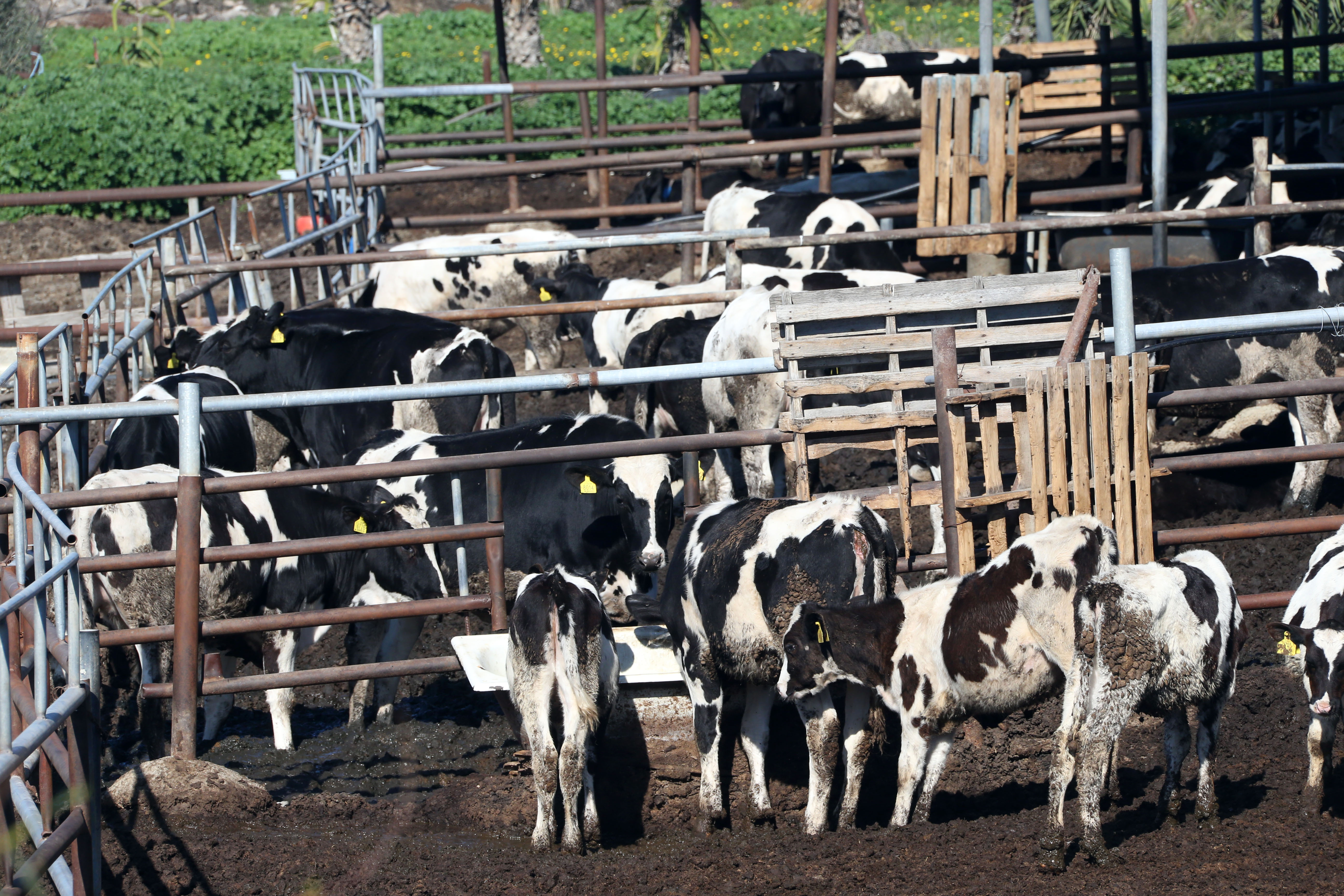
MPs described the livestock sector as facing “its gravest threat in living memory”, as they, farmers and officials clashed during a heated session of the House agriculture committee on Tuesday over the spread of foot-and-mouth disease.
Committee chair Yiannakis Gavriel said the priority was to halt transmission of the virus and ensure immediate compensation for affected farmers, but warned that the discussion had deepened rather than eased concerns.
“The situation is dynamic and constantly evolving, and our concerns today have intensified,” he cautioned.
Tensions were fuelled by the absence of Agriculture Minister Maria Panayiotou, who returned from abroad before the meeting but went instead to the crisis management centre.
MPs also criticised police-chief Themistos Arnaoutis, who likewise failed to attend, arguing that enforcement failures were central to the spread of the disease.
Director-general of the ministry Andreas Gregoriou told the committee that 11 livestock units have so far been affected, one with cattle and ten with sheep and goats, involving an estimated 13,000 animals that will now need to culled.
He said veterinary services had acted to limit the outbreak and that the state would provide financial and psychological support.
“We recognise the emotional bond people have with their animals and their property,” he acknowledged, adding that compensation would cover livestock losses and related damage.
Livestock breeder Giorgos Demetriou told MPs that his family’s third-generation operation had been effectively destroyed within a day.
“We saw our livelihoods disappear; we don’t have milk to survive. The banks only care about securing their own interests, while we are struggling with external factors thrust upon use that have destroyed everything”, he said.
Demetriou accused the veterinary services of mishandling the crisis, saying farmers were treated as suspects rather than victims.
“Instead of sending us psychologists, they sent us the police for statements as if we were criminals,” he said, drawing applause from fellow farmers.
He insisted that compensation must be “full and fair”, covering lost income until units are operational again, loan interest relief and permission to import animals from disease-free countries.
Evidence presented to the committee suggested the virus may have been active for at least two weeks before confirmation.
Akel MP Andreas Pasiourtides questioned why preventive vaccination had not been pursued earlier.
The sharpest exchanges centred on veterinary services director Christodoulos Pipis, who defended his department against accusations of negligence.
“Who told you we did not carry out inspections?” he asked MPs, insisting that the service acted on information they received.
Pipis, defending his actions, claimed that the service was only informed by one unit in Livadia.
When pressed by Disy MP Zacharias Koulias why no preventive checks were carried out on neighbouring farms, the director responded with a remark that caused a sensation.
“If the other person is in trouble, what do you want me to do, why didn’t he inform?” he questioned, placing responsibility on producers for the lack of information reaching the veterinary services.
When pressed on preventive checks, he said responsibility also lay with farmers to report suspected cases, likening the situation to “patients seeking care from hospitals”.
His remarks triggered further backlash, with MPs reminding him that he was addressing parliament.
“Just because you’re all MPs, this does not mean you are above everyone,” Pipis retorted at one point, prompting intervention from Gavriel, who demanded answers on why coordination had not been in place earlier.
The veterinary service director remained on the defensive, responding in an increasingly sharp manner to criticism from MPs.
Going over his exchange with Pasiourtides, he said, “I speak to you in Greek, not in Turkish.”
When Ecologists MP Charalambos Theopemptou asked for clarification on preventive measures, Pipis replied, “tell me, you who know best, what measures we should have taken and did not take.”
Calls were made for instant compensation, suspension of loan and tax payments, and a clear roadmap for replenishing livestock.
Agricultural organisations described the sector as being “at war”, warning of economic ripple effects, including risks to halloumi production.
Representatives said farmers had been left to pour contaminated milk into sewers without guidance on disposal or support.
Turkish Cypriot authorities announced they would send 20,000 vaccine doses to Larnaca, while the European Commission confirmed that half a million vaccines are being mobilised, alongside expert support teams.
European officials stressed that the priority was rapid containment and support for farmers.
As the session closed, Gavriel said parliament would continue scrutiny until concrete results are delivered.
“For many farmers, losing their livestock is like losing their children,” he said.
“The state must rise to the occasion, because the risk now is not only economic collapse, but the permanent dismantling of an entire sector.”

Click here to change your cookie preferences