
The Audit Office, in its report about the policy on renewable energy sources (RES), inadvertently mentioned yet another striking example of the incompetence that marked the Anastasiades government’s energy decisions. This was a scandalous policy which was designed to make huge amounts of money for four or five businesses, whose owners were close to then president Nicos Anastasiades, without any benefit for households – electricity rates kept rising.
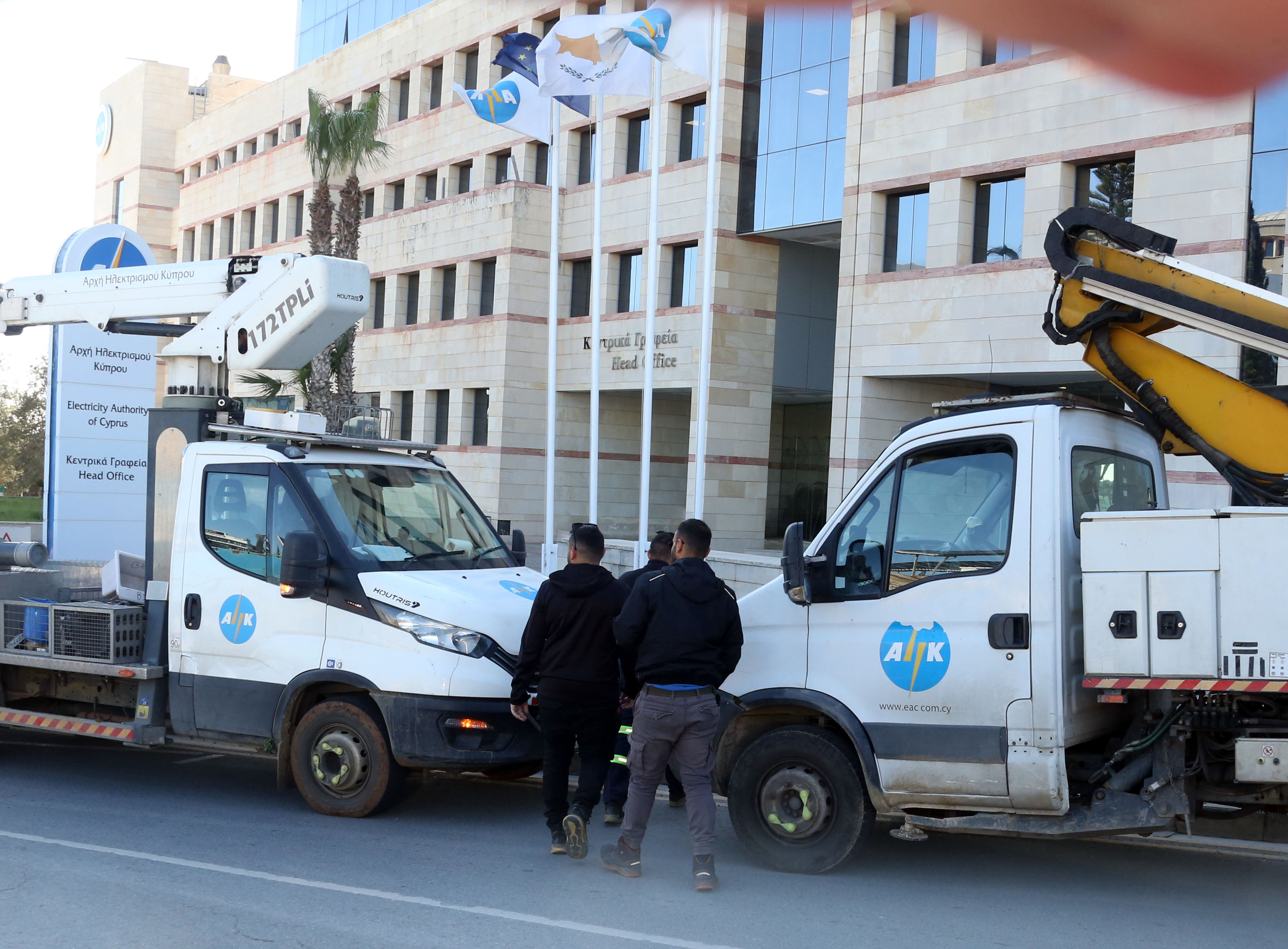
While the Audit Office avoided laying blame on the previous government, and its appointees on the energy regulator Cera, the facts included in the report pointed in its direction. For example, the report highlighted the way the Electricity Authority (EAC) was prevented from developing RES for its power production, by Cera. This stopped the EAC from lowering its production costs, that would benefit subscribers with lower electricity rates.
Cera decided that RES should be developed by private companies so there could be competition in the electricity market, in which the EAC had a dominant position. How it went about this defied belief. It handed out permits for photovoltaic parks without competitive tenders that would secure the lowest price. Instead, it guaranteed a fixed electricity price to the big renewable producers (the five mentioned in the Audit Office report), just below the EAC conventional price which was determined by the price of heavy fuel oil used at the power stations.
Why had Cera not invited tenders for the big photovoltaic park licences, in order to secure the lowest electricity price, instead of guaranteeing an extortionate price on 20-year contracts to anyone who applied? Cera, presumably on instructions from the Anastasiades government, gave PV park owners licences to make super-profits. Now, a holder of a licence for a PV park, which cost some €10 to 20 thousand to secure, can sell it for €2 or 3 million, because of the extortionate price paid for the electricity.
Such market distortions can only be the result of incompetence or corruption. Cera wanted to give renewable energy production to private firms so there could be competition but ended up giving about 60 per cent of private RES capacity, which is 420 megawatts, to five investors at a guaranteed price. The people in charge of Cera did not know the meaning of the word competition. In fact, they have created an oligopoly that guarantees huge profits to five firms and zero benefit to consumers.
The Audit Office report cited a 2025 study by the international renewable energy agency, which pointed out that the average global cost of energy for large scale solar fell by about 90 per cent between 2010 and 2024. No such drastic reduction in cost was experienced in Cyprus, the report pointed out. Here, thanks to the monumental incompetence of the authorities, the price of electricity keeps going up. In Cyprus we have managed to buck the trend by ensuring that PV parks do not produce cheap electricity.



Click here to change your cookie preferences