
Have you seen the sign at the start of the Larnaca-Nicosia highway?
It’s been there for years – occasionally painted and modernised, but very much an iconic part of the Cyprus’ landscape.
It’s a simple semi-circle divided into coloured sections, with an arrow that can be moved from the green of LOW all the way through to a bright red VERY HIGH.
It designates, of course, fire risk. And, on an island that’s tinder dry and getting hotter, the sign is an important reminder: last year alone, Cyprus recorded at least 77 wildfires, including the devastating Limassol blaze that destroyed entire communities and led to two deaths.
However, there’s a number that’s far more crucial to display when we hit our highways: 43.
The number of people killed on Cyprus’ roads in 2025.
It’s a tally that far outstrips those lost to fire. In fact, it exceeds deaths from fire, drowning, and workplace accidents combined. Now that’s a number that’s worthy of a sign – or even a billboard.
The latest data suggests that Cyprus ranks 14th in the EU for road deaths per million inhabitants. Granted, that’s nowhere near the deadliest roads in the EU – Romania and Bulgaria each recorded around 74–77 deaths per million inhabitants. But nor are we a Sweden or a Denmark – both of whom record just 20–27 deaths per million inhabitants.
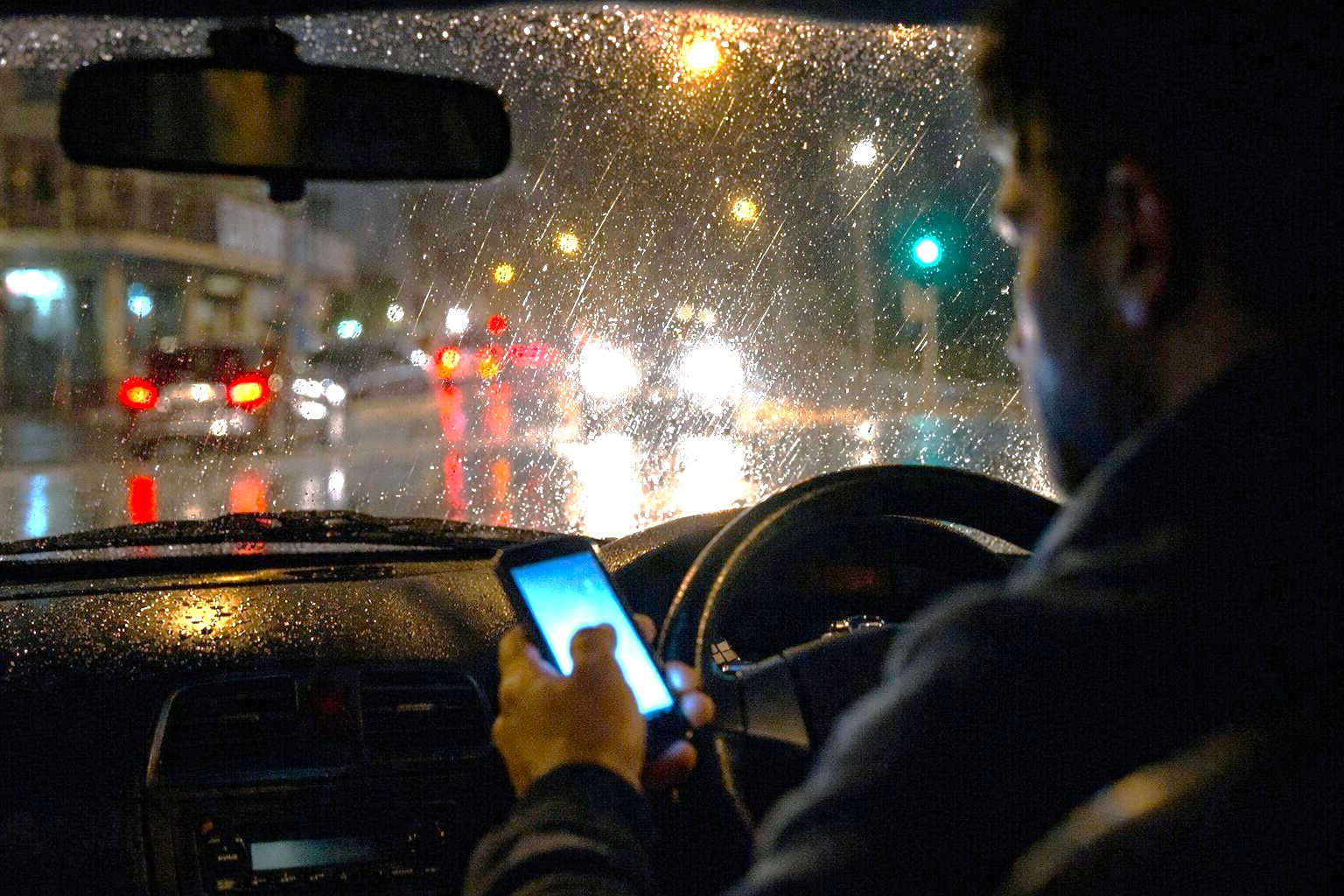
There are reasons for this figure: persistent speeding, drink- and drug-driving, mobile-phone distraction, and the continued failure to wear seatbelts or helmets.
Now, to be fair, the government isn’t sitting on its hands here. The latest Cyprus’ Road Safety Strategic Plan has a staggering 158 measures, including tougher enforcement, revised legislation, education campaigns, and improved driver testing. And the island has seen progress: fatalities fell by around 21 per cent between 2019 and 2024.
Weekends, however, continue to be the most dangerous time to be on the roads. Around the world, Friday evening through to Sunday night are when fatal crashes peak.
In other words, you’re about to enter the most hazardous days of the week. So if you do happen to be out and about this weekend, it’s worth knowing the weather. Because while our behaviours are within our control (please, please wear your seatbelt and ignore your phone!), the conditions aren’t…
In Nicosia, Friday starts breezy and cool, with temperatures reaching around 15°C before dropping sharply overnight to near 4°C. Saturday and Sunday remain partly sunny but brisk, with highs hovering around 14–15°C and persistent northerly winds keeping things feeling cooler than the numbers suggest.
Along the coast, conditions are brighter but still windy. Limassol enjoys mostly sunny skies on Friday with highs of 17°C, before cloud increases slightly on Saturday. By Sunday, calmer conditions return with pleasant temperatures around 16°C and a gentler feel overall.
In Larnaca, wind is the main story. Friday brings strong gusts despite clear sunshine, easing gradually through Saturday as clouds increase. Sunday settles into mostly sunny, comfortable weather with highs around 17°C.
Further west, Paphos sees one of the calmest outlooks: brilliant sunshine on Friday followed by a largely bright and stable weekend, temperatures holding steady at around 16–17°C.
The Ayia Napa region is notably windier, particularly on Friday when strong northerly gusts make temperatures feel significantly cooler than the forecast highs of 14°C. Conditions improve through Saturday, with Sunday turning brighter and more settled.
Up in Troodos, winter holds its ground. Friday stays cold with a chance of an afternoon shower, while the weekend remains mostly cloudy and chilly, temperatures struggling to rise above 2–3°C and dropping well below freezing overnight.
In short: enough inclement conditions to demand awareness – especially for anyone heading out on the roads.
Because while weather shifts from district to district, one thing remains constant across the island: movement. The Friday evening escape. The Saturday errand that turns into a long drive. The Sunday return home before the week begins again.
And that brings us back to risk.
Fire has a dial. Beaches have flags. Construction sites have helmets and inspections.
Roads?
They just have traffic.



Click here to change your cookie preferences