
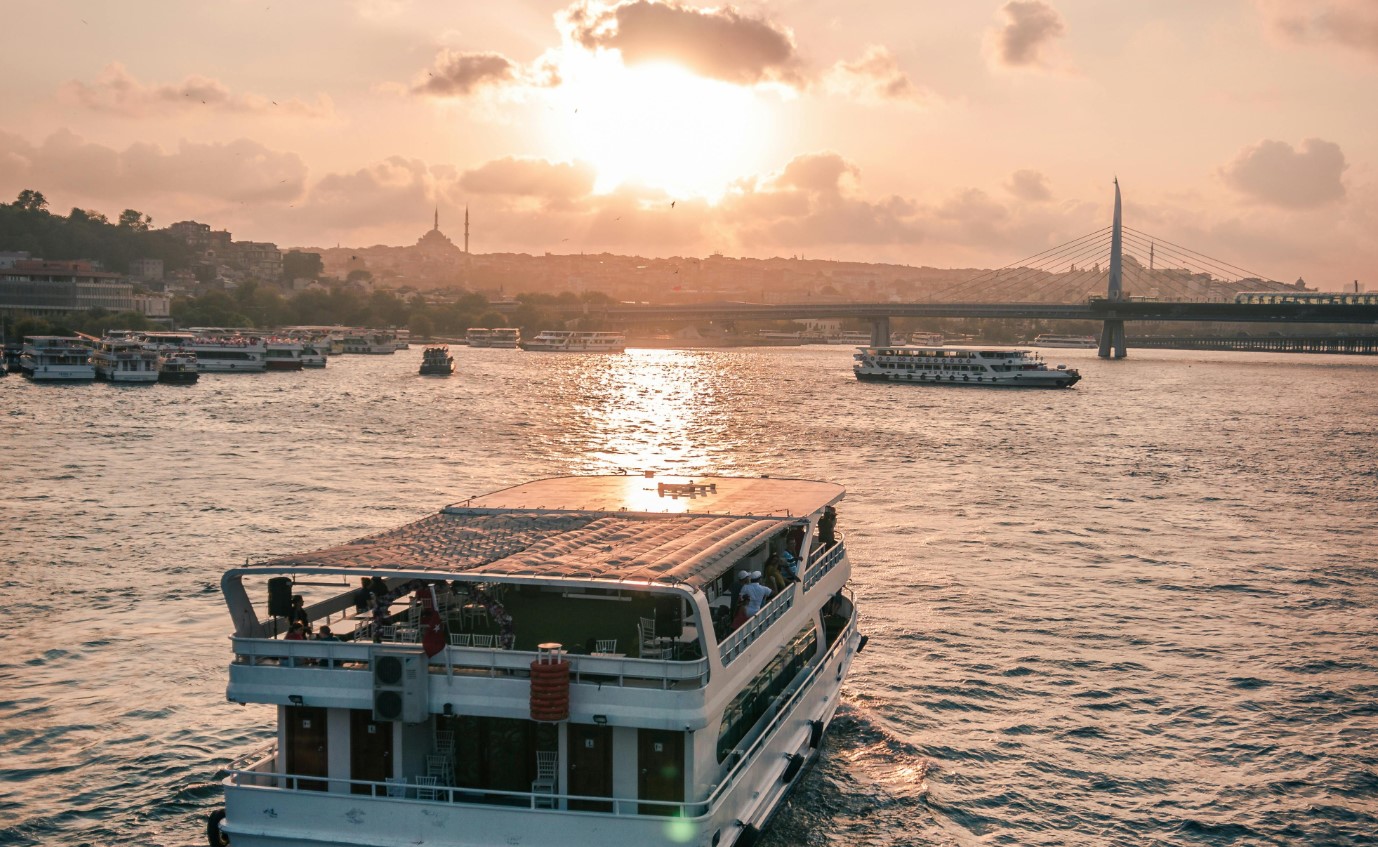
Greece boosts Cyprus security as Middle East conflict escalates
Greek Shipping and Island Policy Minister Vasilis Kikilias said Greeks felt proud to see Greek forces helping protect Cyprus, as the war in the Middle East raised fresh concerns over regional security, shipping costs and possible summer ferry fare increases.
In an interview with Mega television, and also mentioned in Newmoney, Kikilias spoke about the conflict in the region, Greece’s response and the potential knock-on effects on the economy.
Referring to Cyprus, he said the deployment of two Greek frigates and two pairs of F-16s to help protect the island’s security carried particular meaning for Greeks, given the long shadow of 1974 and the Cyprus problem.
“All Greeks who have a wound in our souls, due to the tragedy of the Cyprus problem, feel proud to see two of our frigates and two pairs of F-16s in Cyprus to protect the security of the island,” he said.
He added that the move mattered not only in practical terms, but also psychologically, saying both Cypriots and Greeks had suffered deeply and that the presence of Greek forces had lifted morale.
Kikilias went on to say that Turkey had for years pursued a foreign policy that often ran against Greek national interests. Even so, he said Greece should remain at the negotiating table, ready to listen, discuss and negotiate, but without making concessions.
Within that framework, he said the Greek government and the defence ministry were doing what was necessary, in cooperation with Nato, to provide the level of security required.
He also pointed to the risks created by the wider conflict, noting that sirens had sounded in Cyprus and that a drone had fallen on the base at Akrotiri.
Security in the wider neighbourhood had always been a top priority for Greece, he said, adding that Athens was acting with seriousness and planning, both at home and internationally, while taking steps that contributed to peace.
“We have never asked for any military conflict to be opened,” he added.
Turning to the economic fallout, Kikilias recalled his time as tourism minister when the war in Ukraine broke out and Europe was hit by the energy crisis.
At the time, he said, there had been predictions of serious damage to Greek tourism. In the end, however, the sector proved resilient.
He said that year marked tourism’s return after the pandemic and, despite the pressure created by higher energy costs, the sector performed strongly, with 10 flights a week from the US, new destinations, an upgraded tourism product and strong returns for businesses, island communities and the wider Greek economy.
Asked about the possibility of ferry ticket increases this summer, as oil prices climb because of the war in the Middle East, Kikilias said it was still too early to make firm predictions.
He noted that last year, after seven straight years of increases amounting in total to 48 per cent, the market had announced a further 15 per cent rise in ferry fares, but this never materialised.
That, he said, was because the government reduced port fees and worked with the market, while discounts of up to 32 per cent were also offered.
For now, though, he said the conflict had only been under way for eight days and no one could say how long it would last.
Even so, he acknowledged that pressure was already building, with the price of oil having risen to $91 per barrel. If the Strait of Hormuz remained closed for a month, he said, experts believed the price could climb to $100 per barrel.
“We will see how soon there will be a de-escalation,” he said.
Kikilias added that the Greek government, as it had done in previous crises from the pandemic onwards, would be there to support citizens again if needed.
Any such move, however, would have to be handled carefully and in coordination, he said, describing the current moment as both critical and difficult.
Kikilias finally said that the rise in oil prices was already a fact but added that the Mitsotakis government had shown in the past that, when pressure hit key parts of the economy affecting ordinary people, it was prepared to step in and offer support.

Click here to change your cookie preferences