
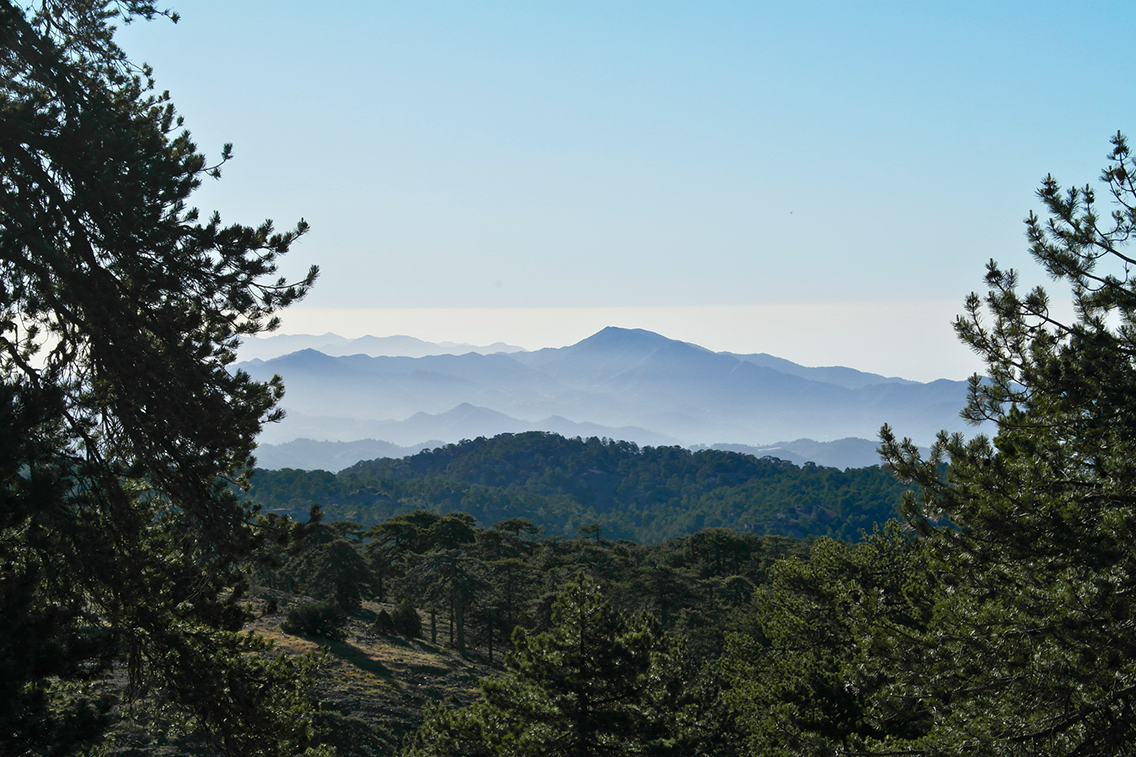
Its globally important ophiolite rocks in the Troodos mountains are just one way Cyprus can position itself as a top geotourism destination
By Konstantia Achilleos
Sun, sea and sand has dominated Cyprus’ tourism identity for decades, but although it has had a titanic impact on the economy, it remains incomplete. It overshadows the lesser-known part of the island: the diverse geological landscapes waiting for their stories to be told.
Maybe the first ones to realise Cyprus real beauty were the explorers who roamed its high mountains, steep cliffs, sea caves and endless valleys. Here they discovered an open-air textbook of unique geological archives. Their astonishment led them to map the rocks: records of millions of years of Earth’s history. Explorers turned into geologists and nowadays every traveller has access to the island’s oldest story. Anywhere you stand on this land, in any landscape, you can experience and understand Cyprus through the lens of geology.
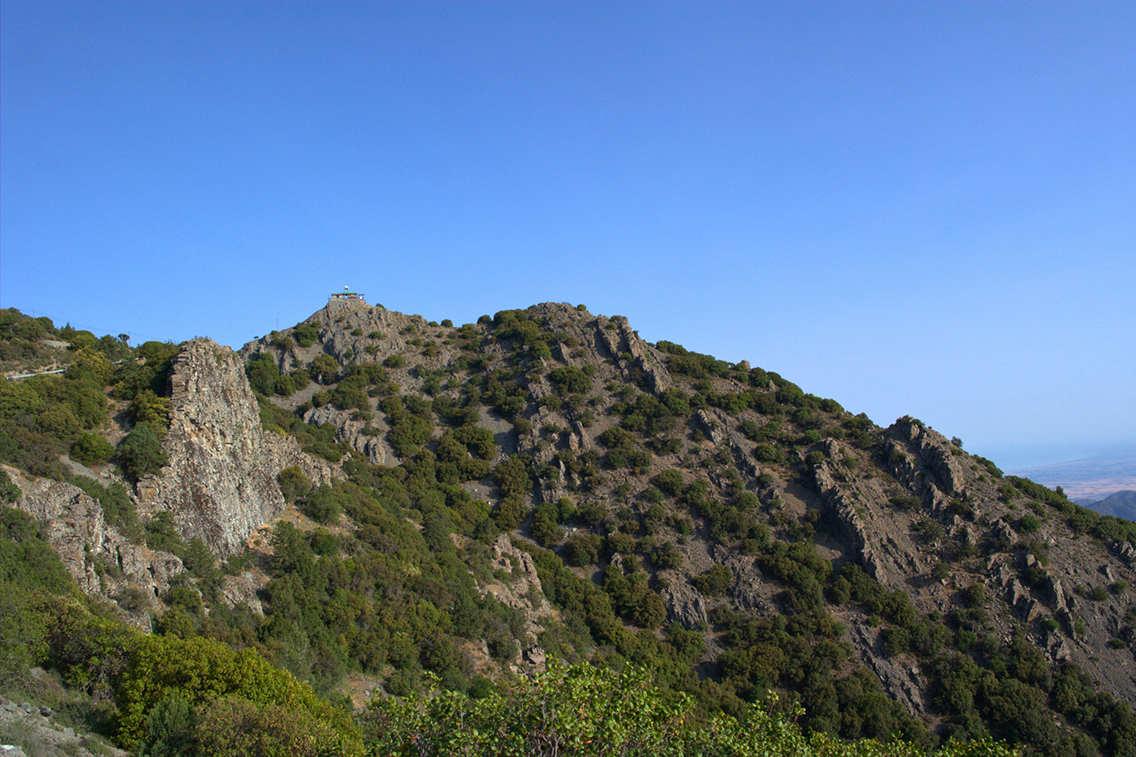
The prologue of the story begins at the peak: the Troodos mountains. They are the primary reason why Cyprus is formed. This majestic mountain range is a complete slice of prehistoric oceanic crust uplifted onto land. Within the folds of rock formations, there is evidence of the Tethys, a long‑vanished ocean that divided ancient continents.
Nowhere else in the world can you explore a more-preserved piece of ocean, also known as an ophiolite – rocks found on land but born in the ocean. This alone makes Troodos an irresistible attraction for Earth scientists and gives Cyprus the potential to be globally known for this chapter of its story. This can be achieved if the geological heritage is translated to the average tourist, for instance through the familiar phrase: ‘Troodos emerged out of the sea, like the Goddess Aphrodite’.
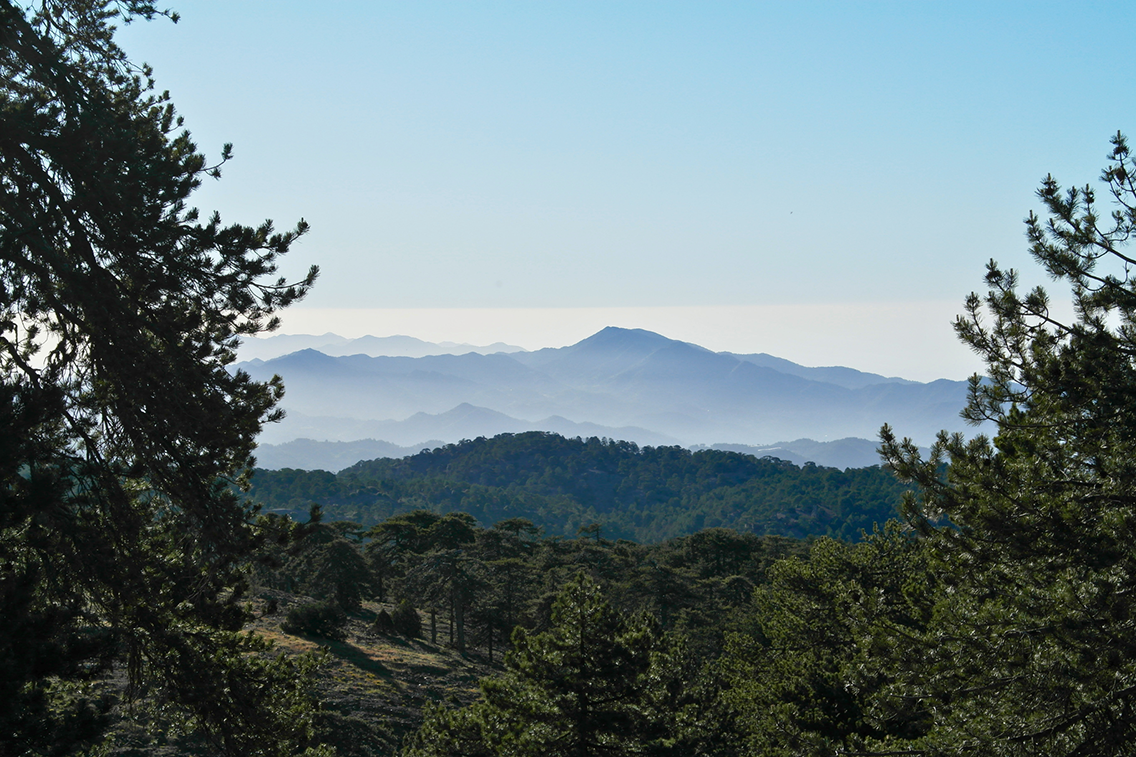
It may not be obvious, but Troodos geology shaped our island through time and space. Copper has been an invaluable resource from antiquity, and its origin is found in these oceanic-born rocks.
Another precious commodity is water. The island would have been a very different place if abundant springs did not flow towards the dry coastal land.
These are only a few of the endless resources locals have used to shape agriculture, architecture and even culture. So the next time you drive up to the Troodos mountains, remember that the rock‑formed landscapes aren’t merely forests, rivers and villages; they are pieces of ancient ocean floor that have shaped every chapter of Cyprus’ history.
Copper is undoubtedly linked to Cyprus’ past. From antiquity this metal made Cyprus a major exporter influencing not only trade networks but also settlement patterns. Meanwhile, Cyprus’ rich deposits were globally renowned, leading to the metal’s name evolution from aes to eventually copper. Today this thousands-of-years legacy of extraction is still visible at abandoned mines, such as Mitsero and Kalavasos. And even though their mining history has almost certainly ended, they are recognised as industrial and cultural landscapes that need to be preserved and promoted through sustainable tourism initiatives.
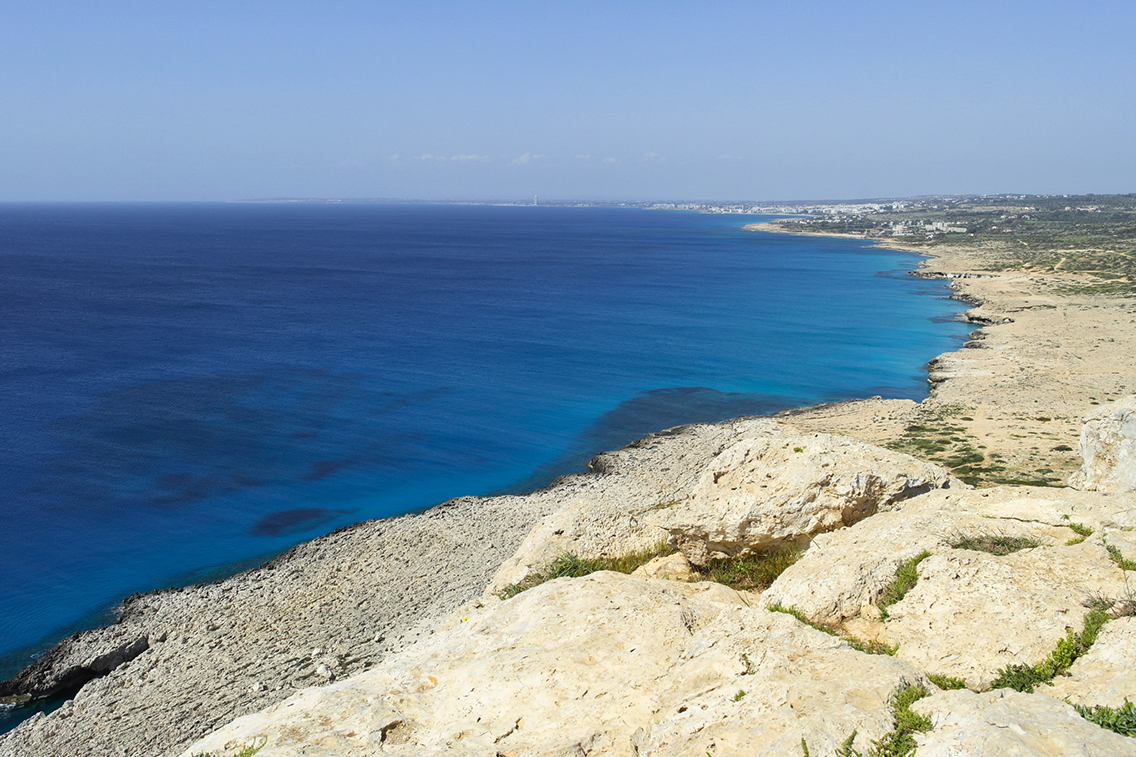
Although Cyprus’ coastlines and sea caves do not need any introduction, they too have secrets hidden even from locals. Coastal landscapes are great storytellers of ancient shorelines that changed because of uplift of the island. Paphos’ dramatic beaches highlight this tectonic elevation which is still happening today. There is also another powerful force that forms sea caves like the ones at Cavo Greco: the interaction between sea and limestone — a constant dance of erosion and wave energy.
Geological marvels are countless, scattered across the island. From impressive rock formations to beautifully sculpted gorges, these sites have sparked wonder and imagination and inspired myths and legends. Landmarks like Petra tou Romiou and Avakas gorge tell two stories: one of geological processes behind their formation, and another of gods and dragons. Their profound beauty inspired stories of the Goddess Aphrodite’s birth and love for Adonis. Myths rooted in geology show how nature has influenced Cyprus’ tourism identity.
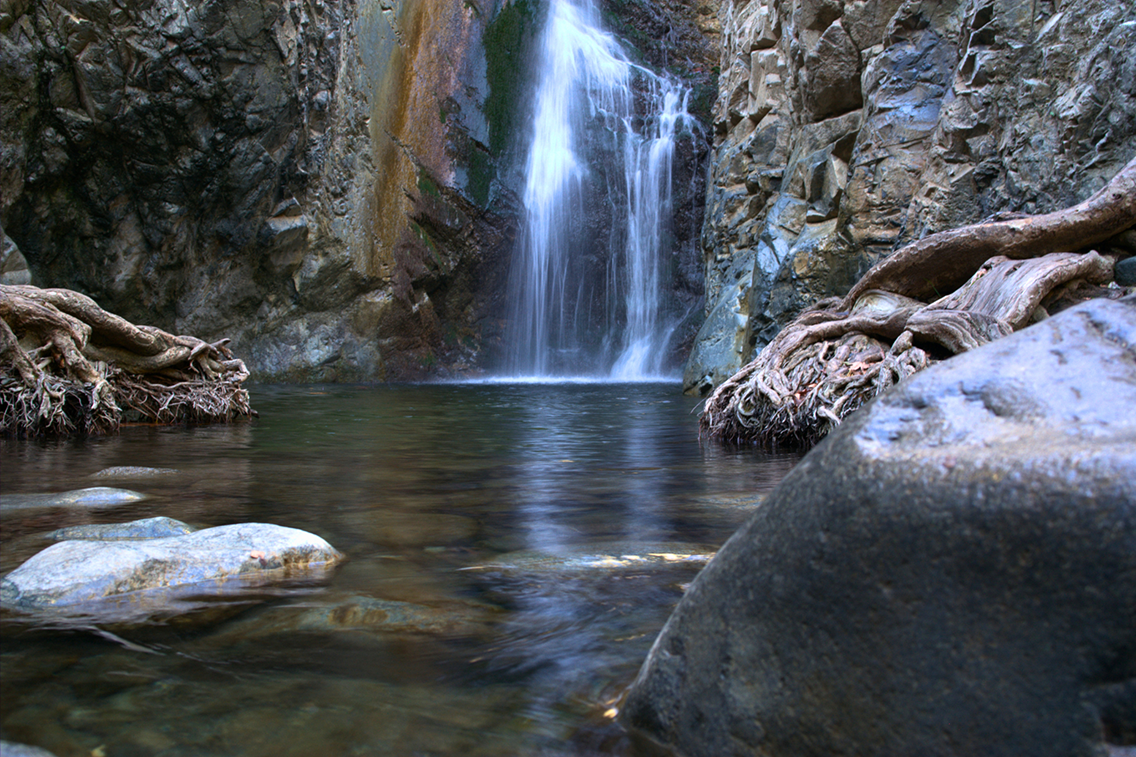
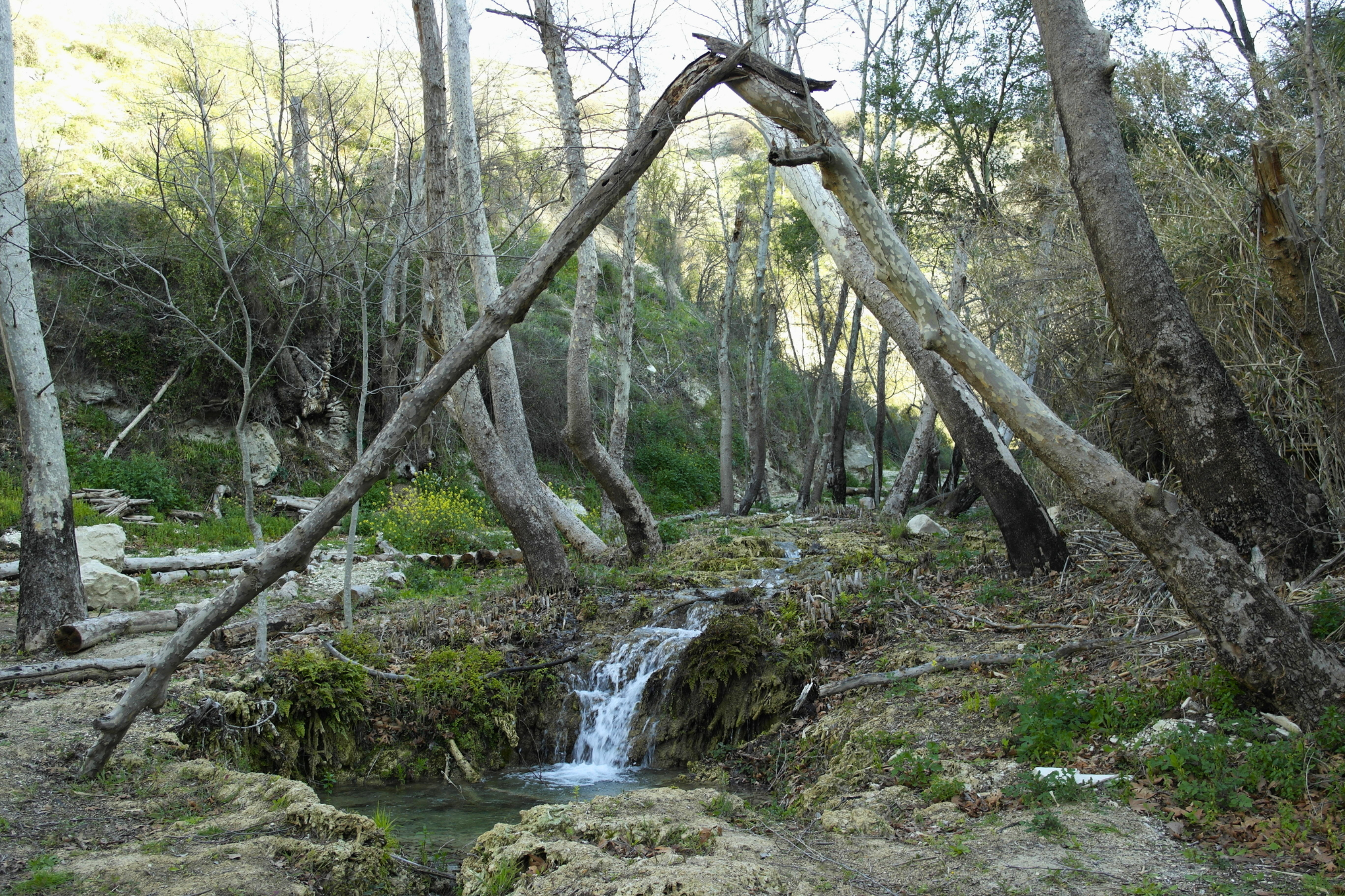
Yet for most locals, the most impressive landscapes are springs, rivers, waterfalls and dams. Because of the long history of water scarcity, these geology-shaped water sites are oases among the desert‑like scenery during summer and, in more recent decades, autumn. Because of the Troodos mountains, Cyprus has its own water engine that creates microclimates sustaining agriculture and village life. It is a local custom for Cypriots to seek a break from the heat in the cool mountain air, visiting places like Cedar valley and Almyrolivado.
Have you ever wondered, though, if Cyprus is only this? It is, of course, an island, not a vast continent. But maybe there are parts that the public just pass by. Remote villages built among breathtaking natural views are now abandoned. Troodos’ volcanic outcrops are impressive natural structures that look like the walls of ruined castles. Akamas’ dusty roads contain not only a rich biodiversity but also the spectacular rock formations like pillow lavas. These are only a handful of Cyprus’ treasures hidden in plain sight.
Newly discovered sites can become a great asset for Cyprus. They add value to the local tourism industry by introducing new experiences. In this way, hiking in Troodos can be upgraded to guided geological walks. Village workshops can expand beyond cooking to include copperwork, pigment‑based painting and stone mosaics. Abandoned mines can be transformed from old industrial into heritage sites through storytelling trails. Nature-based experiences can multiply across rural areas, highlighting the geological heritage of the island.
This effort is named ‘geotourism’ and aims to showcase the shared connection between nature and local communities. This becomes clear when you look closely at culture. For example, traditional crafts such as copperware and pottery are shaped by local geology.
If you are still unconvinced by this deep relationship, simply take a walk through the narrow streets of a village. What is underneath your feet has certainly influenced the architecture and agriculture. Even the location of the village was chosen because of the scenery around you. Every village even has its own identity defined by the local stone. From river and volcanic rocks to limestone, each landscape is not only natural but also a cultural archive rich in local knowledge and pride.
Geotourism is not an abstract concept in Cyprus. For over a decade, the Troodos Geopark has been shifting tourism towards a more sustainable alternative. The geopark forms part of the Unesco Global Geoparks Network and its objectives include geoconservation, environmental education and rural development. This aligns perfectly with the Cyprus National Tourism Strategy 2030 that focuses on sustainability, quality enhancement and diversification.
In simple words, geotourism shows that geology can guide sustainable tourism in a way that not only protects the environment but also supports rural economies. This is especially crucial for isolated communities with limited opportunities. In rural areas of Cyprus, locals are mainly involved in agriculture and public‑sector positions. Tourism is rarely a viable alternative, with few villages able to attract visitors.
Geotourism, through community engagement, can benefit local producers, guides, craftspeople and many more. By encouraging traditional professions in these remote areas, geotourism can increase visitation not only seasonally but year‑round. Villages may have more opportunities to retain or even attract residents, leading to economic growth and strengthening village identity.
Cyprus unique storyline has a significant advantage among other Mediterranean destinations. Its globally important ophiolite rocks in the Troodos mountains can position the island as a top geotourism destination. These impressive rock formations are far more visible than in any other destination with similar formations, most famously in Oman. Beyond geology, accessibility is also an important factor in attracting tourists. The popular slogan ‘Cyprus – A Whole World in a Small Island’ captures this point perfectly. Striking geological sites, like gorges, sea caves, dykes and pillow lavas, are within short driving distances. Thanks to the island’s compact size, visitors can enjoy countless experiences in a single day.
Finally, geotourism invites you to see Cyprus through a new lens. Landscapes are not merely beautiful scenes that can be captured in photos. They are storytellers of the island’s past. Geology is the manuscript that reveals their stories and ignites wonder and curiosity. Stories once known only to explorers and geologists are now accessible to everyone.
Geotourism encourages you to see even the most familiar places differently, using your imagination to travel back millions of years. Among its mountains, valleys and coastline, there is a living geological story, waiting to be explored.
Konstantia Achilleos is a Mediterranean geotourism specialist and environmental geologist. She will be giving a talk on Cyprus’ geology on May 17, 11am at the Episkopi Paphos Environmental Centre in Greek and English. Register at epeicentre.com/contact us or 26 642234. Website www.konstantiaachilleos.com



Click here to change your cookie preferences