
By Mary Michaelides
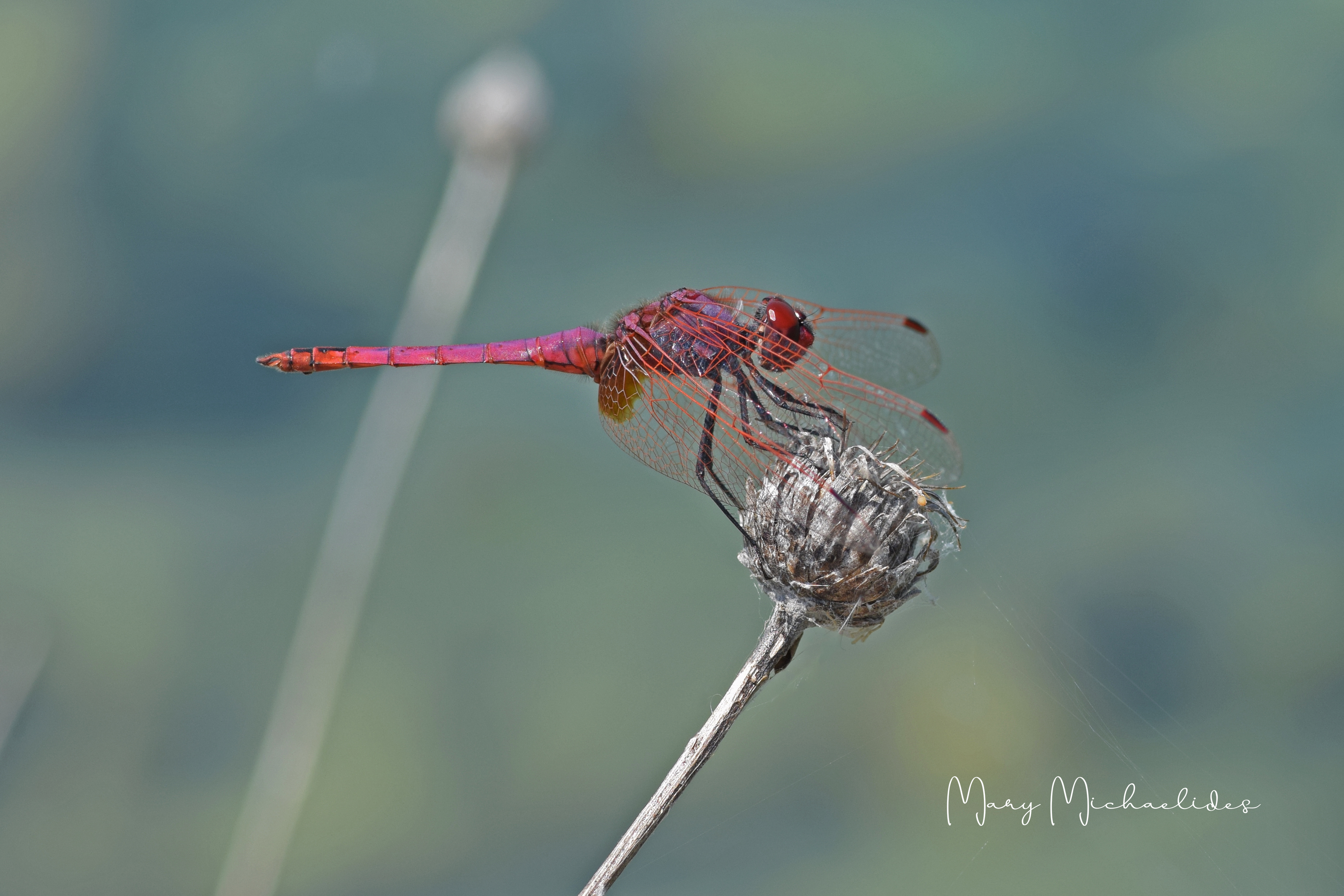
Dragonflies have been around for about 300 million years – long before the dinosaurs. They were among the first flying insects to appear on Earth. They entered my life in 2017 and have changed it dramatically.
I always had a soft spot for dragonflies. I found them magically beautiful, but when I joined the Cyprus Dragonfly Study Group, I discovered they are so much more.
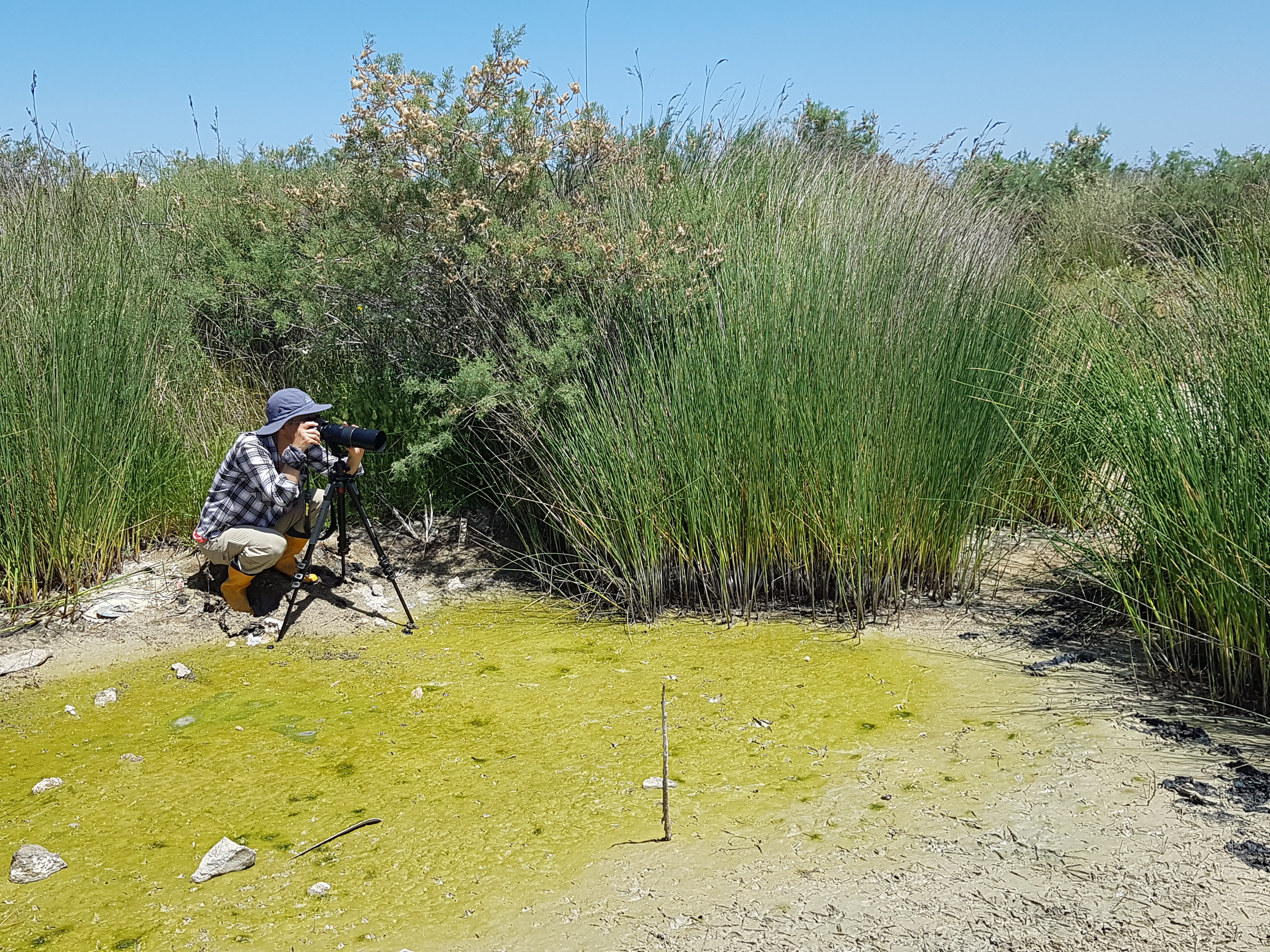
With my partner, as members of the Study Group, we were expected to visit the same locations at least once a month and count dragonflies. We had become citizen scientists. This is one of the major ways scientists gather data about insect populations to support their studies. Citizens like us go out into the field, equipped with training and instructions, and record different species – precious scientific data that can be used to extract phenology, trends and changes.
It was daunting at first; however, with time we were able to recognise all the species found in Cyprus with ease.
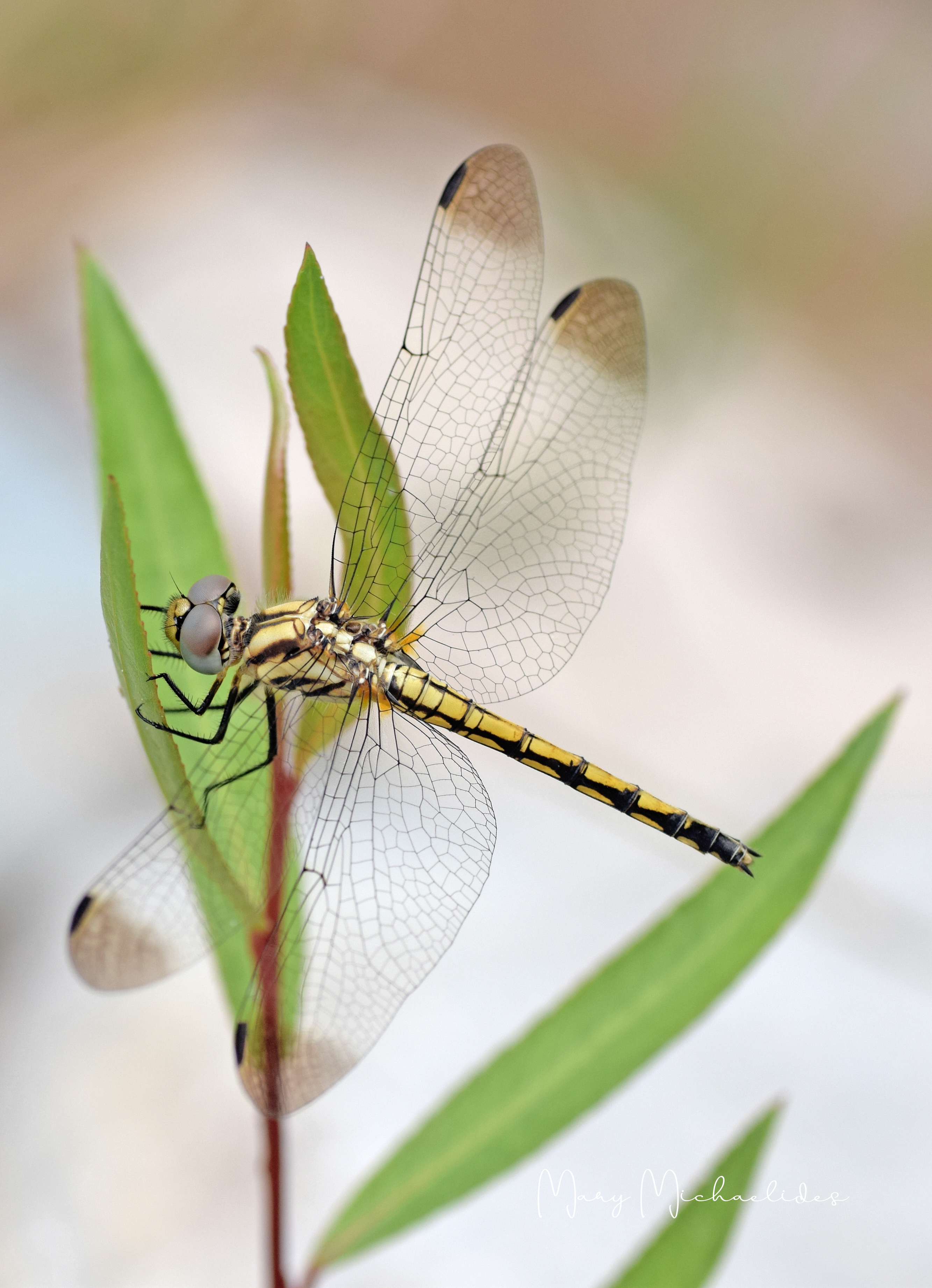
Currently, as many as 32 dragonfly species can be seen flying in Cyprus. The Cyprus dragonfly list (Order Odonata) includes 37 species; six have not been seen for some years, and one has only recently arrived on the island. Worldwide, there are about 5.500 known species.
In some villages in Cyprus, we call them “angels.” In reality, they are ferocious, indiscriminately carnivorous and voracious predators – both as aquatic nymphs and as flying adults. “What? They live in water?” the uninitiated may ask. For most of their lives, they do. This is why we usually see adults – most of them males – flying close to freshwater habitats, among the reeds along rivers, streams, ponds and lakes.
Are they just pretty faces? Like all insects, they lie at the base of the food chain, which makes them vitally important. Harvard biologist Edward O Wilson once observed: “If all humankind were to disappear, the world would regenerate back to the rich state of equilibrium that existed 10,000 years ago. If insects were to vanish, the environment would collapse into chaos.” Additionally, Odonata are key indicators of the health of both aquatic and terrestrial habitats and are considered model organisms for assessing the effects of global climate change.
Odonata are divided into two suborders: Anisoptera (“dissimilar wings”) and Zygoptera (“similar wings”). In English, Zygoptera are commonly called damselflies. Anisoptera hold their wings open when at rest, whereas Zygoptera usually hold them closed. Another way to tell them apart is by their eyes: in Anisoptera, the eyes are usually touching, while in Zygoptera they are widely separated.
Anisoptera can be large insects. The biggest species found in Cyprus – and indeed the largest in Europe – Anax immaculifrons (the Magnificent Emperor), measures 80–86 mm. Odonata have the largest eyes relative to body size of any animal and are among the most effective predators in the animal world, with a success rate of up to 95 per cent. Aren’t we glad that size matters?
In addition to their exceptional vision, they are superb fliers. Using their wings independently, they can dive, hover, fly backward and upside down, and pivot 360 degrees. They scoop up prey with their legs and consume it in flight, unless it is too large. In general, Anisoptera are stronger and faster fliers than Zygoptera.
Once trained, we set out with our maps, sunhats, wellies, binoculars and cameras. Beyond visiting our assigned locations, we explored some of the most beautiful freshwater habitats on the island. We had a reason – we were on a scientific mission.
The behaviour of Odonata is fascinating to observe. Sitting by a pond or stream on a calm, warm, sunny day, you can watch them flying among the vegetation – perching, hunting, eating, mating, fighting, patrolling and ovipositing. No special equipment is needed unless you enjoy photography.
Different species can be found in different habitats – lakes, reservoirs, rivers, streams, dams, brackish pools – at various times of the year, with peak activity for most species in the summer months.
Some species are easier to observe, identify, and photograph. Some are more abundant; others perch frequently, giving observers a chance to capture them, while some remain elusive, hiding in gorges and constantly on the move.
With basic knowledge and patience, however, it is possible to see all the species found in Cyprus. Over time, you learn to notice details: eye color, the shape of the thorax and abdomen, leg color, wing markings, the color of the pterostigma and whether individuals are young or mature.
Beyond dragonflies, we began noticing other small creatures – lizards, frogs, freshwater crabs, spiders, ladybirds, hoverflies, bees, and, of course, butterflies (we now count them, too). We met many fascinating people, including scientists working to protect these habitats – efforts that ultimately help safeguard our own environment for future generations.
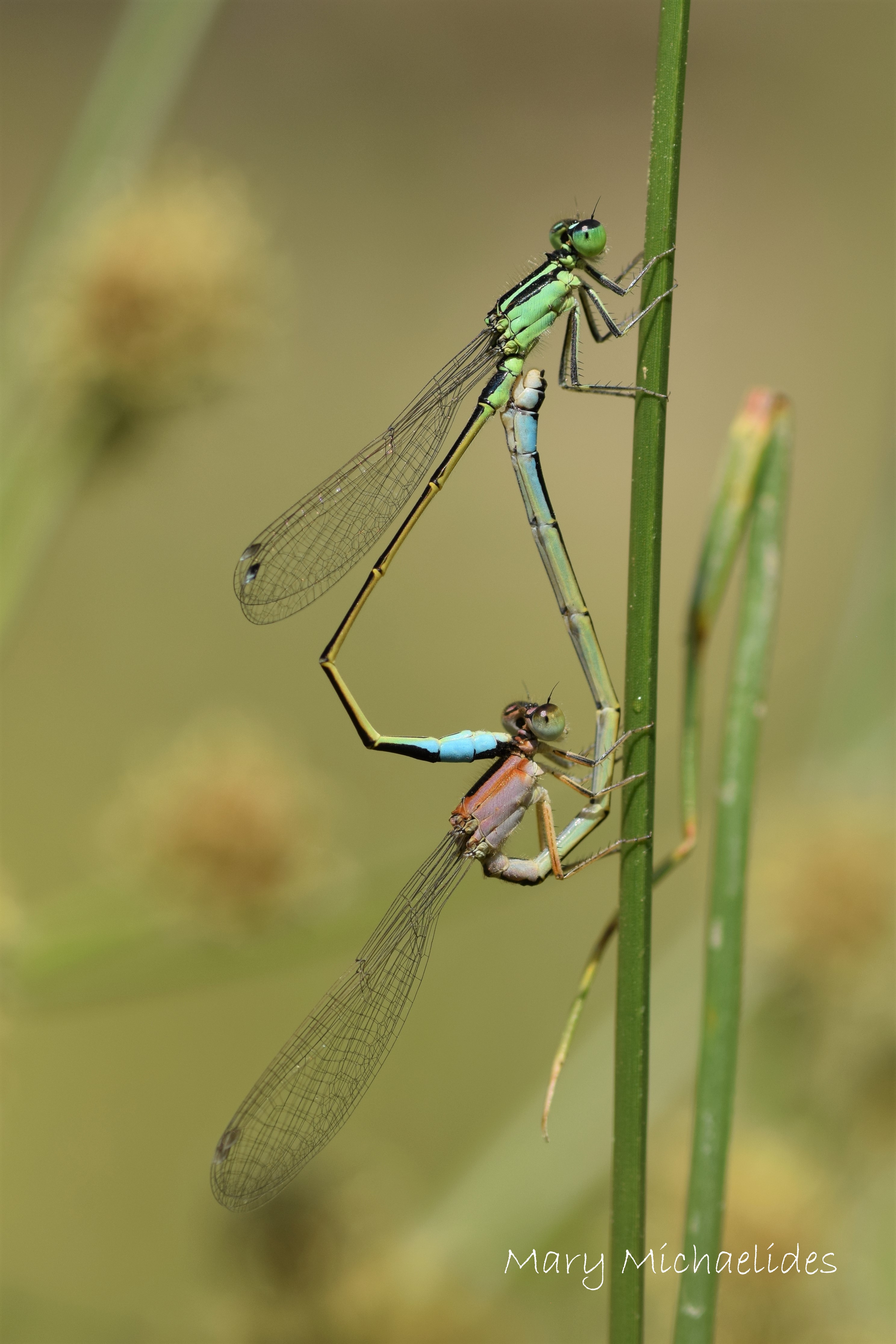
Since immersing myself in the world of dragonflies, I see them in my garden every year. I sometimes wonder: were they always there, or have they come now that they know how much I appreciate them?
Do dragons visit your garden?
When you notice their beauty, consider what English naturalist Alfred Russel Wallace, co-discoverer of evolution, wrote in his 1869 book, The Malay Archipelago:
“I thought of the long ages of the past during which the successive generations of these things of beauty had run their course … with no intelligent eye to gaze upon their loveliness, to all appearances such a wanton waste of beauty… This consideration must surely tell us that all living things were not made for man… Their happiness and enjoyments, their loves and hates, their struggles for existence, their vigorous life and early death, would seem to be immediately related to their own well-being and perpetuation alone.”
Mary Michaelides, after a career in IT, co-founded the Cyprus Cactus and Succulent Society and served as its president for 10 years. During that time, she developed a deep interest in the environment, drought-resistant gardening and native biodiversity. She later joined the Cyprus Dragonfly Study Group as a citizen scientist and went on to author the “Dragonflies of Cyprus: Identification Guide”.





Click here to change your cookie preferences