
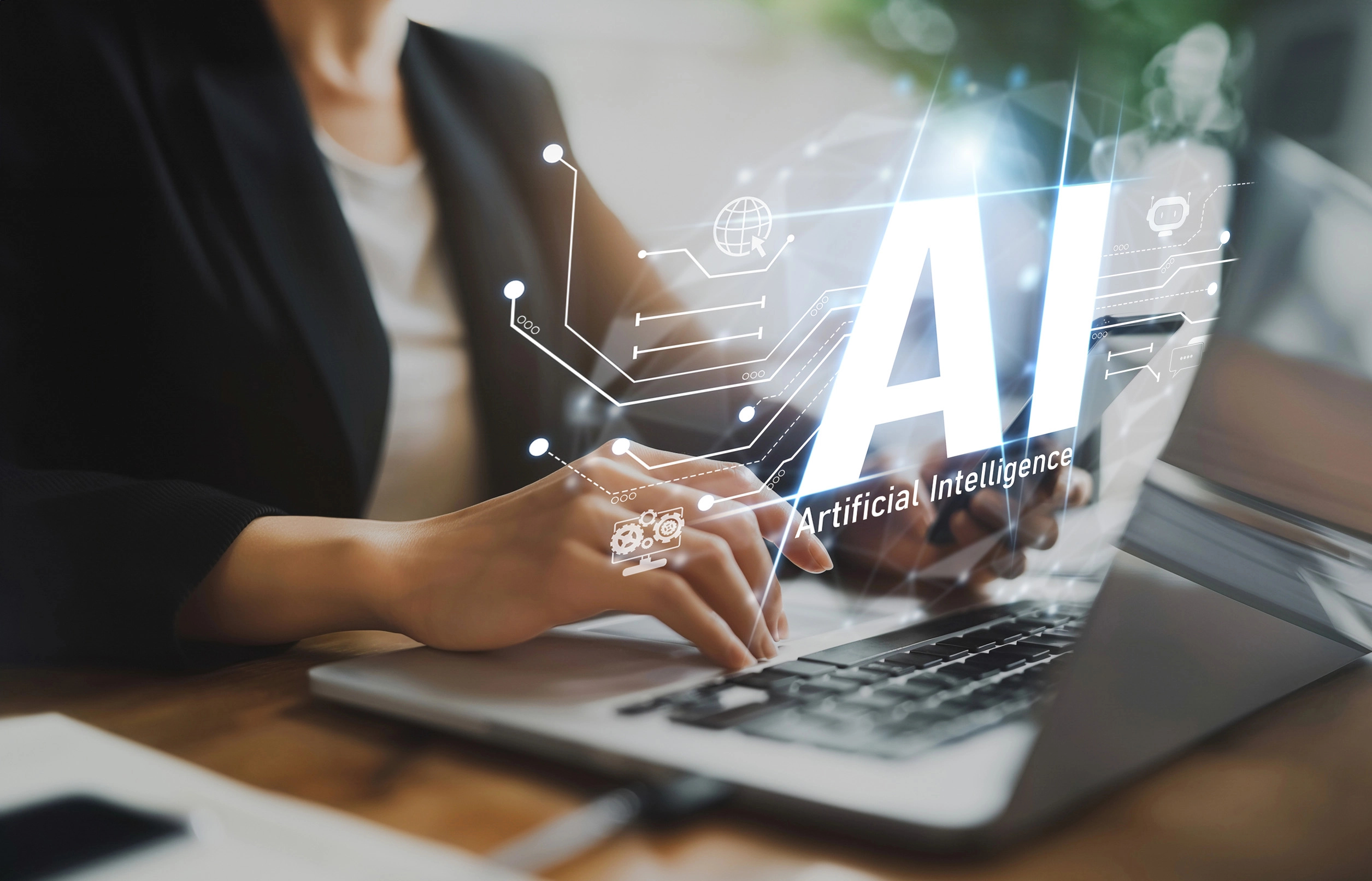
Artificial intelligence didn’t suddenly arrive in the media world with a dramatic announcement. It crept in slowly. First through small tools that solved very specific problems, then through features that quietly became part of everyday software.
At the beginning, many media professionals treated those tools like experiments. Interesting, useful sometimes, but not essential. Over time that attitude started to shift. What once felt optional began to feel practical.
Then it started to feel normal.
Today AI is woven into the background of many production processes. Writers see it in editing tools. Video producers see it when searching through footage. Podcast teams notice it when transcripts appear almost instantly after recording.
The technology is there, but the bigger change is happening in the workflow itself.
Small obstacles disappear.
And when those obstacles disappear, the entire pace of work starts to feel different.
Automation in daily production
A huge portion of media work is repetitive. Record. Review. Transcribe. Label. Organize. Repeat. Hours are spent on work that is necessary, but rarely inspiring.
AI started by taking on that routine. Speech recognition systems can convert long recordings into readable text in minutes. Editors no longer need to type every word. They can scan transcripts and focus on the parts that actually matter.
A podcast producer might finish an hour-long conversation and immediately transcribe audio to find strong quotes or interesting moments. No rewinding. No endless replaying. Just the material they need, ready to work with.
Minutes replace hours. Mental load lightens. And suddenly, creators have more space for thinking, refining, experimenting.
The workflow changes subtly. But profoundly.
Smarter content organization
Media organizations produce a staggering amount of material. Video clips, draft scripts, photos, raw interviews, archives—every project adds more files.
Finding the right file later can feel impossible. Even knowing it exists doesn’t help if you can’t locate it quickly.
AI untangles that problem. Systems analyze images, detect faces, identify objects, and even recognize spoken words. Once processed, everything becomes searchable. A single phrase can reveal the exact moment it was said.
Archives stop feeling like storage rooms. They become living libraries. Editors rediscover old footage. Producers reuse interviews. Teams remix old ideas into new stories.
Nothing goes to waste. Creators start to see their own work differently.
Faster editing cycles
Editing is where creative projects usually slow down. Drafts move back and forth between writers and editors. Video timelines fill with small adjustments. Producers review version after version before approving a final cut.
There is a reason for that pace.
Editing requires attention to detail. But a lot of the time spent in editing isn’t actually about storytelling—it’s about fixing technical issues. Removing background noise. Trimming silence. Correcting small visual problems.
AI tools now handle many of those tasks automatically.
Some systems highlight awkward pauses in audio recordings. Others detect unstable video footage or identify moments that might work well as highlights. These suggestions don’t replace the editor’s judgment.
They simply speed up the groundwork.
Instead of spending hours cleaning up raw material, editors can concentrate on pacing, tone, and emotional impact.
The part of editing that really matters.
And once that shift happens, creative decisions come forward while technical corrections move quietly behind the scenes.
Collaboration across teams
Media production today rarely happens inside a single room. Writers might work in one city, editors in another, designers somewhere else entirely. Projects move through shared platforms rather than physical offices.
That flexibility brings its own complications.
Messages pile up. Feedback appears in different documents. Meeting notes get scattered across platforms. Teams spend a surprising amount of time just trying to stay aligned.
AI tools are beginning to smooth that process.
Some systems summarize long conversations automatically, pulling out the most relevant points. Others track tasks and highlight updates without requiring constant manual input from everyone involved.
The result is not dramatic.
Just clearer.
When important information surfaces quickly, teams spend less time digging through messages and more time improving the work itself. Feedback arrives faster. Revisions happen earlier.
The project moves forward with less friction.
Audience insights and personalization
Understanding audiences has always involved guesswork. Editors predict. Producers hope. Sometimes they’re right. Sometimes they’re surprised.
AI adds clarity. Reading time, viewing patterns, engagement levels—all of it creates a picture of how audiences actually interact with content. Small details suddenly matter. Where someone stops watching a video. Which headline sparks clicks. Which topics resonate more than expected.
Insights like these help teams adjust. A short clip might outperform a long one. A “boring” headline may draw unexpected attention. A niche topic might spark deep discussion.
Personalization becomes easier. Recommendation systems suggest articles, videos, and podcasts that match individual interests. Discovery feels effortless. Content feels relevant. Audiences return. They stay. They trust.
Responsible use of AI
Even with all these advantages, AI brings responsibilities. Accuracy is still essential. Trust is still essential. Automation can accelerate work—but errors can still slip in.
Speech recognition mishears words. Image analysis mislabels objects. Algorithms reflect their training data. Bias can creep in.
Human oversight remains non-negotiable. Editors review transcripts. Journalists verify facts. Producers check automated suggestions. AI supports the workflow. Humans own the story.
The best workflows strike a balance. Machines handle repetitive tasks, process large datasets, and organize archives. Humans guide decisions, shape narratives, ensure credibility.
The story is still human. Technology amplifies it. Machines handle the background. Humans decide what audiences see. And that’s why media still matters.




Click here to change your cookie preferences