
Lack of water is the result of both drought and mismanagement, desalination is the most widespread solution but perpetuates the problem
By Maria Constantinou
Water scarcity is one of the most critical issues facing Cyprus, drawing attention from the state, the scientific community, and civil society. According to Eurostat data, Cyprus was the only country in the European Union experiencing severe water scarcity in 2022, with a Water Exploitation Index of 71 per cent, far exceeding the critical threshold of 40 per cent. In simple terms, we consume significantly more water than can be naturally replenished by available resources.
Since 2022, the situation has become even more concerning. Higher temperatures, reduced rainfall, prolonged periods of drought and increasing consumption needs, combined with long-standing challenges in water resource management, are intensifying pressure on available reserves. In this context, rational and sustainable water management is more urgent than ever, with a range of practical solutions that can substantially contribute to addressing the problem.
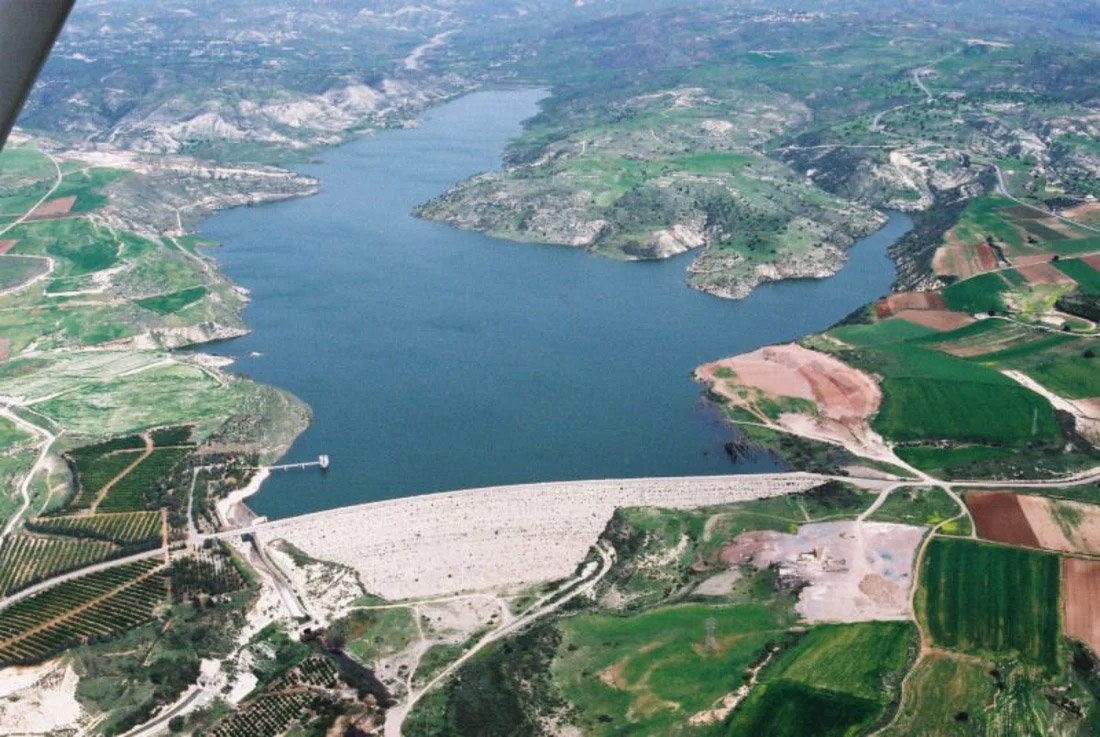
Agriculture is one of the sectors most affected by water scarcity, as there is a direct impact on irrigation reserves, agricultural production, costs and ultimately product prices. Despite the lack of water, approximately 60 per cent of dam water reserves are used for irrigation purposes. This makes certain adjustments necessary to ensure the sector becomes more sustainable while also contributing to the overall management of the issue.
Traditional irrigation methods often lead to waste, as more water is used than crops actually need, resulting in significant losses through evaporation or leakage. Today, precision agriculture and technological advancements allow for targeted water delivery directly to plant roots. Through specialised moisture sensors, it is possible to monitor plant needs in real time and supply the exact amount of water required at any given moment.
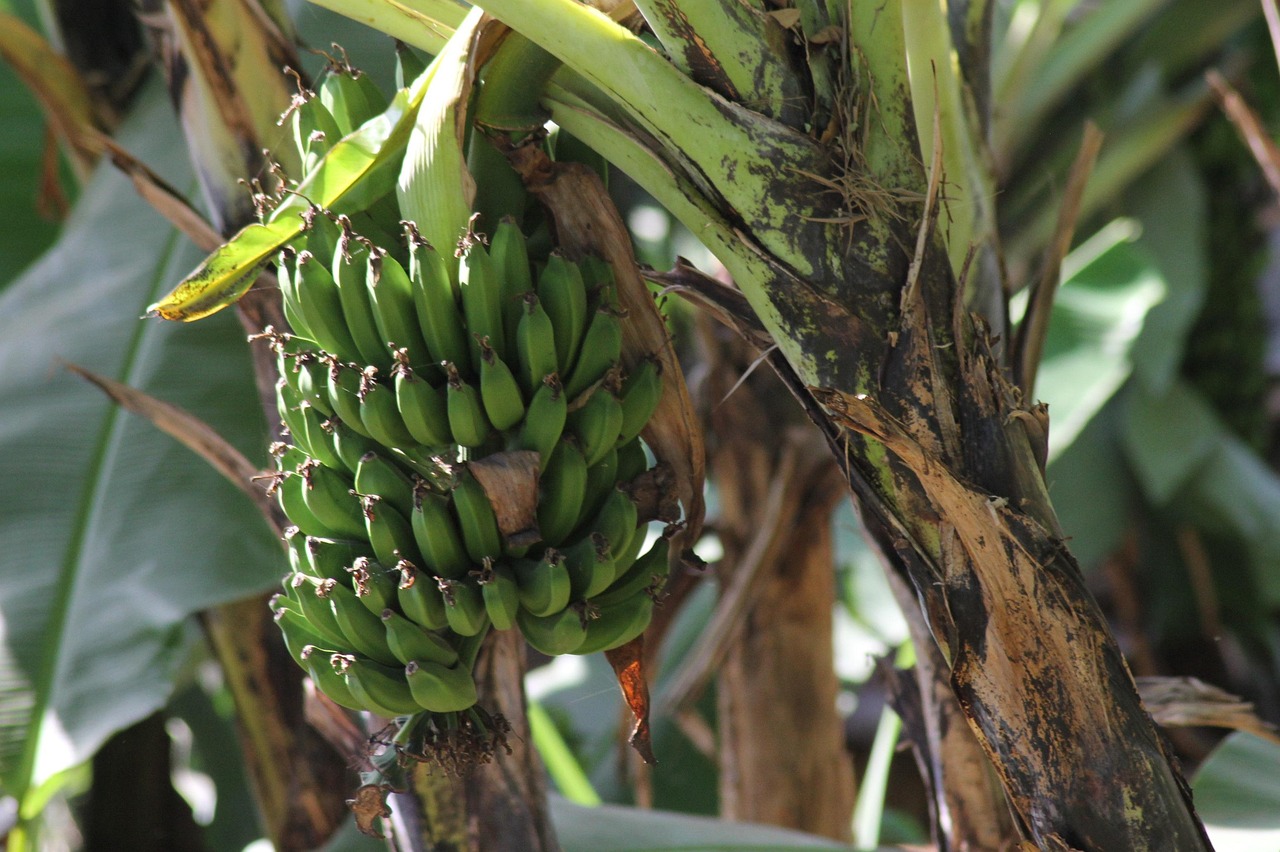
At the same time, replacing water-intensive crops such as citrus fruits and bananas with local and drought-resistant varieties like carob trees, olive trees, almond trees, fig trees and aromatic plants can significantly reduce water consumption. These species are better adapted to Cyprus’ climatic conditions, require fewer resources, and are more resilient during drought periods.
The use of treated water is also a particularly important solution. The use of tertiary-treated water for irrigation is safe for many types of crops, with some exceptions, such as vegetables consumed raw or plants whose fruits come into contact with the soil, and can even be applied in organic farming, provided that strict regulations are followed to protect public health and the environment.
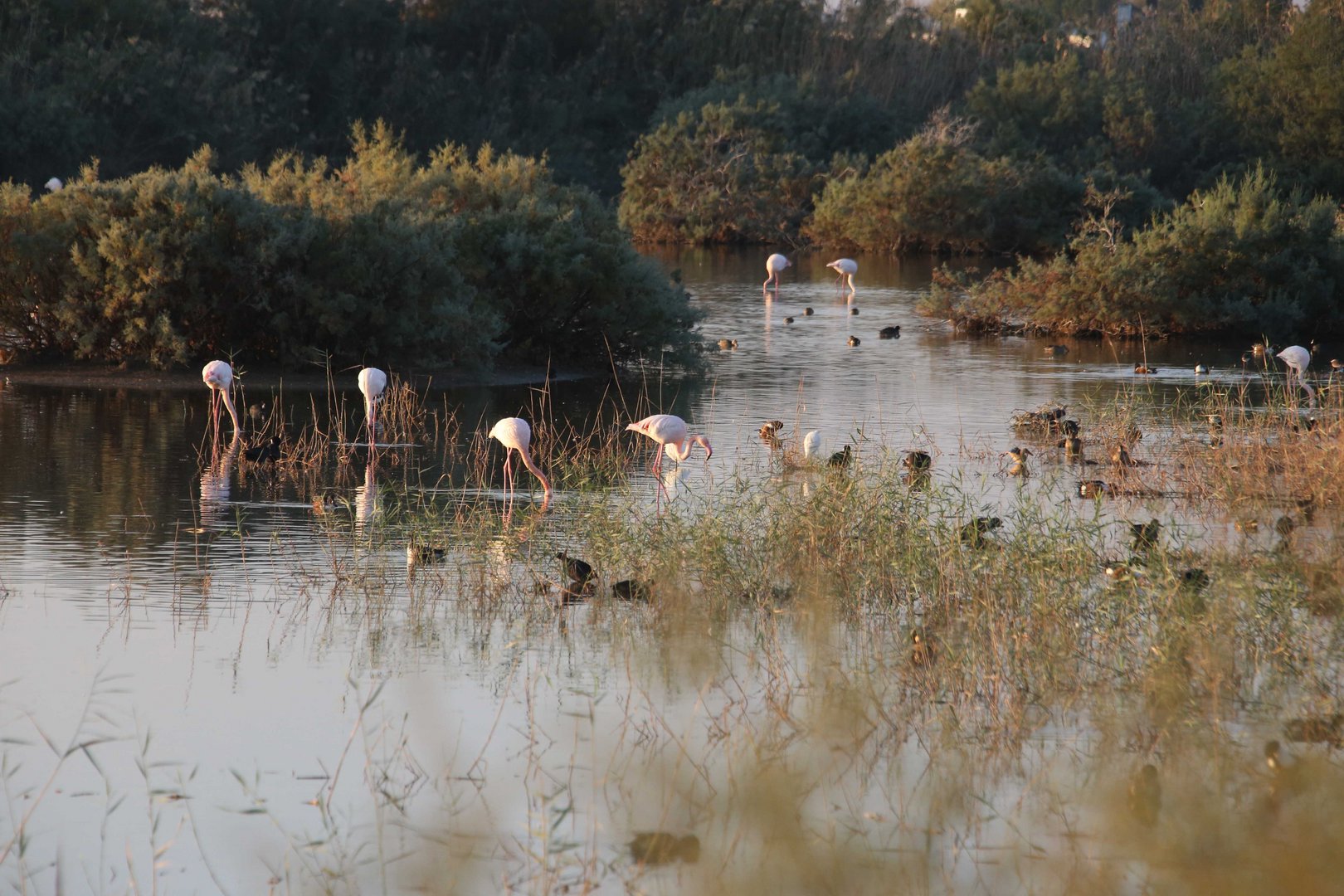
Nature-based solutions can also play a key role, as they are powerful and cost-effective tools for addressing climate change impacts and protecting biodiversity. Wetlands, for example, are ecosystems of high ecological importance that act as natural water reservoirs, recharging groundwater aquifers and contributing to natural water purification. The conservation (protection and management) and especially the restoration of degraded wetlands are crucial, while their function has already been utilised in artificial systems for wastewater treatment and storage.
Artificial aquifer recharge using tertiary-treated water has been applied in Cyprus for several years, specifically since February 2004 in the Ezousa aquifer and since February 2016 in the Akrotiri aquifer. This practice stores water and enhances water security, particularly during drought periods. Recent European guidelines further promote quaternary treatment, which aims to remove micropollutants, paving the way for even safer water reuse and aquifer recharge.
At the same time, upgrading water supply infrastructure is critical, as significant amounts of water are lost due to undetected leaks. The use of smart technologies, such as sensors, automated systems, and IoT devices, can help identify problems in real time and optimise water distribution, significantly reducing losses.
Equally important is the need to limit new water-intensive developments. Infrastructure such as golf courses and water parks require large amounts of water for maintenance and operation, making them particularly burdensome for a country facing severe water challenges.
At the same time, rainwater harvesting, a practice widely used since ancient times, can make a strong comeback. In Cyprus today, rainwater is often treated as a problem to be removed, leading to infrastructure that channels it into the sea. In contrast, other European countries implement collection and storage systems at both household and urban levels, supported by regulations, incentives, subsidies and integration into urban planning. Cyprus must now urgently adapt to these practices through training for construction professionals and infrastructure upgrades aligned with current needs.
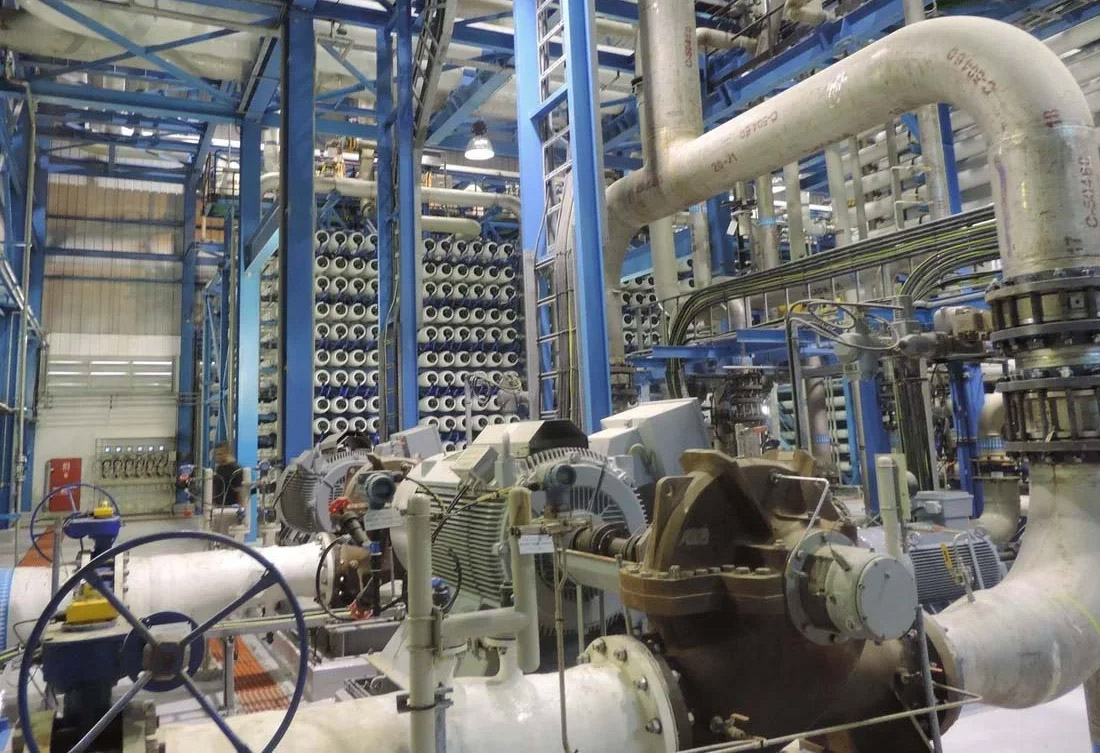
Desalination is the most widespread solution to water scarcity. However, what is less widely known are its environmental impacts and its role in perpetuating the problem, factors that should make it a last resort rather than a universal solution. Increased water production is expected to lead to a proportional increase in demand, meaning the problem may persist. Additionally, the process is highly energy-intensive, and if this energy comes from fossil fuels, it results in significant greenhouse gas emissions. While renewable energy sources could cover these needs, challenges remain regarding the large capacity required and land availability for installations, potentially leading to land-use changes.
Another issue is the disposal of brine, the by-product of desalination. Brine contains high salt concentrations and low oxygen levels, conditions under which most organisms cannot survive. As a result, its discharge into the marine environment can have significant negative impacts. Therefore, proper siting, construction and operation of desalination plants must always be ensured, while also preventing increased water demand as a result of their use.
Finally, the most important step in addressing the problem at its root is proper awareness and education. Given the tendency for water demand to rise following desalination, combined with a culture of water waste in Cyprus, raising public awareness is essential. Measures such as those planned by the Larnaca Water Board to cultivate water consciousness among citizens and students, provide guidance on rational water use, distribute faucet aerators to reduce flow and achieve up to 40 per cent water savings, and intensify efforts to repair leaks and replace old household connections, are a good starting point for other districts and municipalities in Cyprus to follow.
Water scarcity is the result of both drought and mismanagement. By implementing best practices and appropriate infrastructure, adopting effective measures, raising public awareness, and conserving water, the impacts of water scarcity, including water cuts, can be reduced. At the same time, water must be treated as a valuable and finite resource that should neither be wasted nor lost due to inadequate infrastructure. At a time when the climate crisis, desertification and drought in the Mediterranean are intensifying, we are called upon to adapt to new realities. This can only be achieved through strategic planning, responsible management and collective effort for our own future, for the generations to come and for every living organism on our planet.
Maria Constantinou, Climate Change Officer, Terra Cypria – The Cyprus Conservation Foundation



Click here to change your cookie preferences