
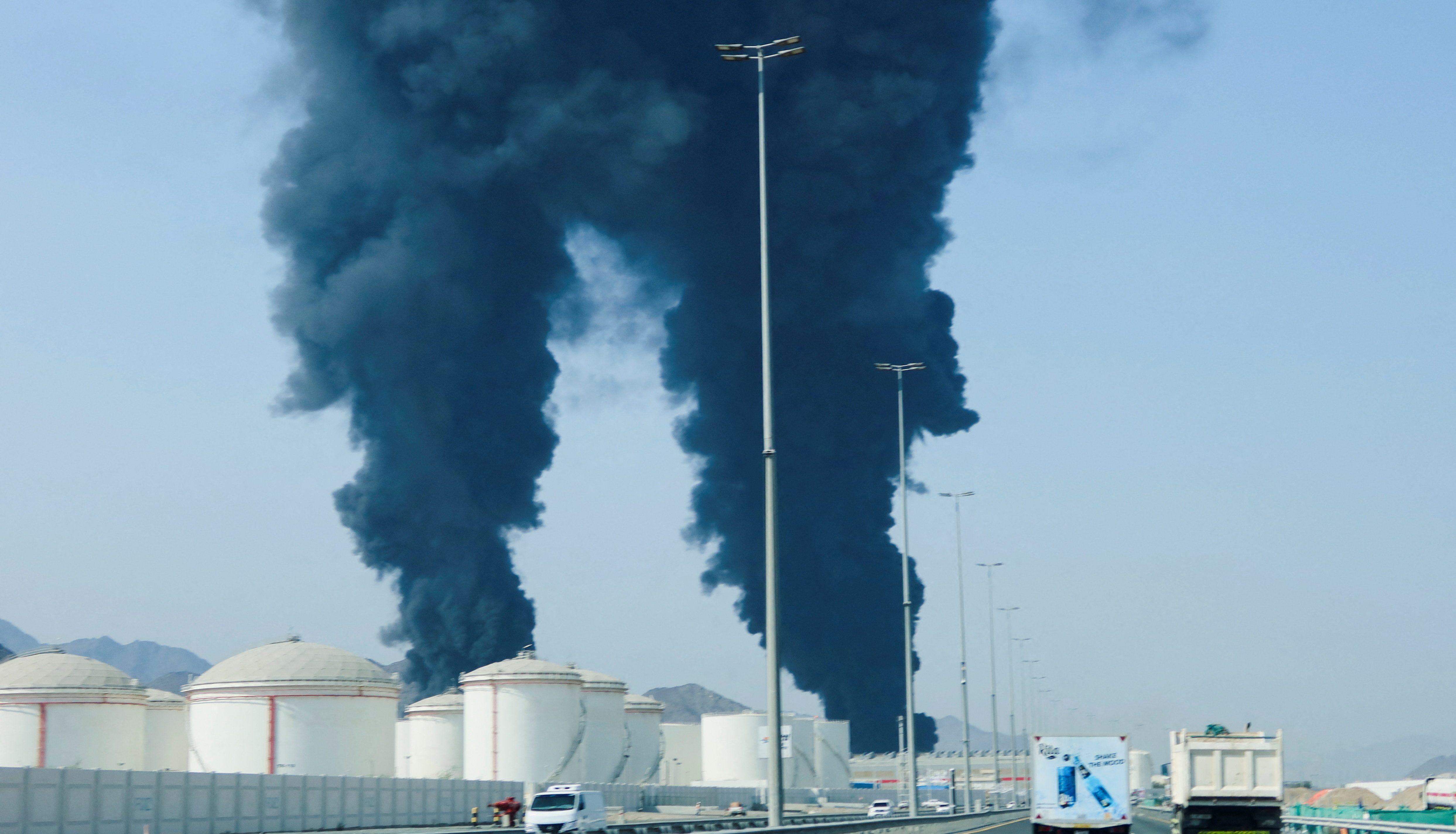
Since the beginning of the war in Iran, around 10 million barrels of oil have been missing per day, leading to irreplaceable ripple effects and causing gasoline prices in Cyprus to skyrocket, Energy expert Charalambos Ellinas told the Cyprus News Agency on Monday.
“We’re not just talking about oil, we’re talking about almost everything that affects traffic, electricity, food production, in general the impacts are enormous,” he said.
Ellinas expressed his concern given that very few oil tankers are passing through the strait of Hormuz, underscoring its role as the most important maritime transit for oil shipments and two per cent of the world’s total LNG.
He warned that Cyprus will see a “fairly large increase” in prices for diesel, gasoline and electricity, which had already started and would continue to increase.
“Everything is affected,” he said, “these cuts are very serious and have caused global chaos in the supply of materials.”
Ellinas appealed to the government to impose a price limit aimed at keeping down profits, the costs of gas and VAT, stressing prices needed to be kept at the same level as before the war and include only the increase in the cost of imported gasoline and diesel in its final price.
He underscored the ramifications of this development, saying that the effects would encompass a substantial increase in the prices of gasoline and diesel, as well as electricity costs.
“There is no way in a short period of time to replenish 10 million barrels per day,” he said.
He said that the Americans could begin to use their strategic reserves throughout the week and that the rest of the world may follow their example, however emphasising that the gap of the 10 million barrels would remain.
“That’s why prices remained high and today the price of oil has reached 106 dollars and is still rising,” he said.
Ellinas said that prices may climb up to 200 dollars per barrel, as Israel began bombing oil facilities on Sunday, prompting the price of natural gas in Europe to rise to €52 per megawatt-hour on Monday.
He emphasised that in addition to oil and gas, other affected materials included up to 40 per cent of the world’s ammonia exports for fertilisers, as well as 40 per cent of sulphur, 25 per cent of helium and 25 per cent of methanol has been prevented from passing through the region as well.




Click here to change your cookie preferences