
Serious issues in the management of the Republic’s mineral resources persist, having affected protected species, including bats and the Natura 2000 network, a report published by the audit office revealed on Tuesday.
“The key conclusion of our audit is that, despite the passing of six years since the publication of our previous special report, some of the problems (…) in relation to the management of the Republic’s mineral wealth remain unresolved,” the audit office said.
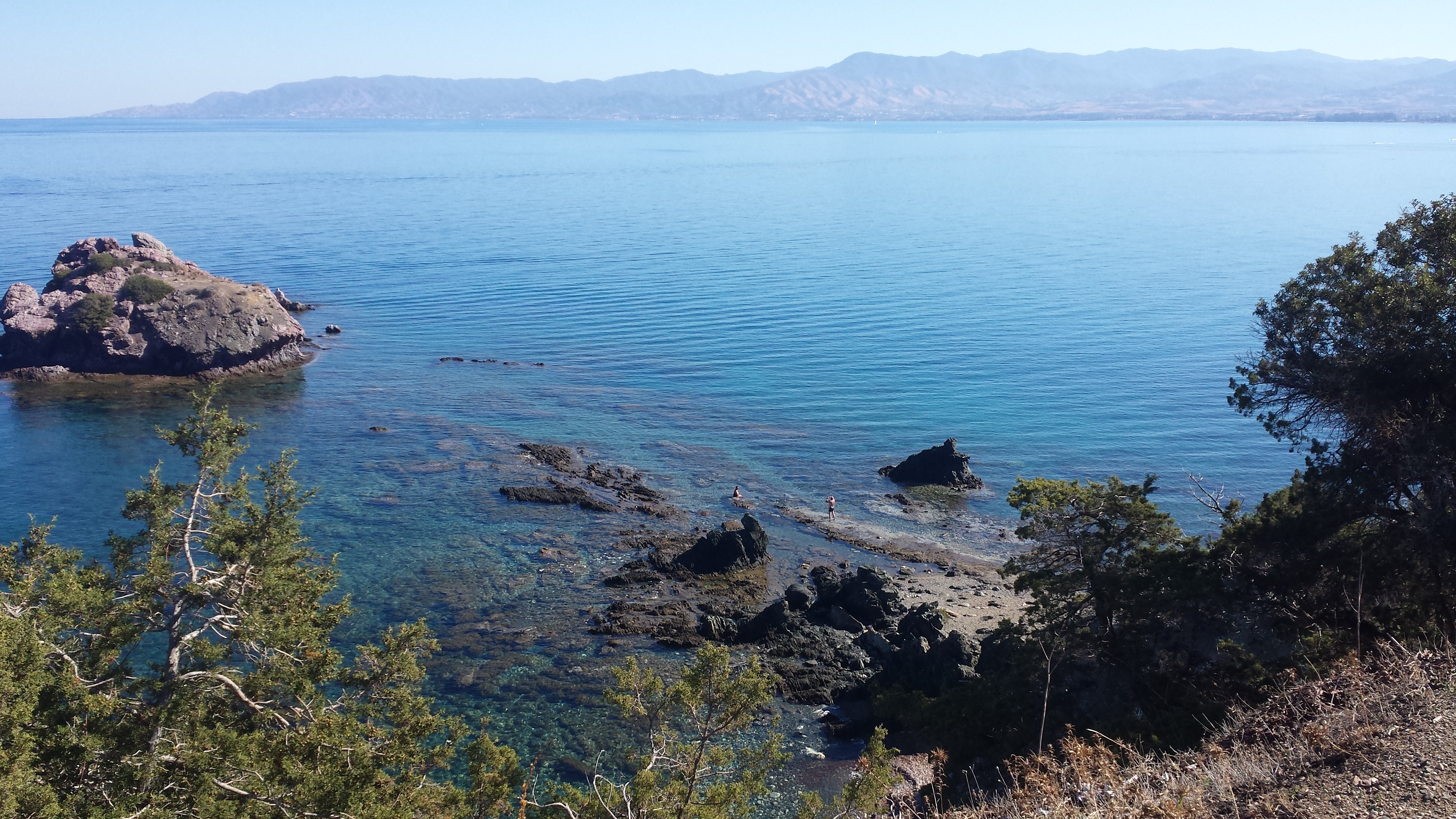
The area examined in the audit report is adjacent to the special conservation area and the special protection area of the Akamas Peninsula, which is subject to relevant protection laws.
According to the report, the definition of conservation objectives, as well as the issuing of decrees for the protection of the habitat and its wild birds, as required by the EU and national law, are still pending.
As a result, a “comprehensive and fully valid reassessment” of the plan cannot be carried out, regarding the potential impacts on habitats and designation species in relation to the examination of the possibility of creating a new quarrying area in the Androlikos area, the audit report said.
In addition to the anticipated consequences of the works, the audit report revealed significant delays in project completion. It stated that these delays create legal and substantive uncertainty regarding the effective protection of Natura 2000 network sites.
The audit office reminded that in this context, Cyprus had been referred to the European Court of Justice by the Commission, which found that the Republic had not complied with directive 92/43/EEC on the protection of habitats and had failed to establish relevant conservation objectives.
These delays, the audit office said, created legal and substantive uncertainty for the effective protection of the Natura 2000 network areas.
Similar delays were found in the context of licensing procedures of the 29 applications for planning permission for quarry development which had been submitted during the period from 2020 to 2023.
According to the report, only 14 of the projects were fully examined, leaving five delayed with up to two years and the remaining ten delayed for over two years, with the overall examination time to review permit applications due to delayed opinions from the departments involved being 6.8 months.
The report also identified gaps in the implementation of the European and national legislation for imposing sanctions for violations of the EU regulation on critical raw materials.
With regard to management, the audit office acknowledged that some services had adopted recommendations proposed in its last special report from 2019, which were intended to improve specific administrative practices and control procedures. However, the audit office also found that some guarantees had been calculated without documentation, and that annual reports had been submitted late without sanctions being imposed.
It pointed out that “rational and sustainable management of the mineral wealth of the Republic of Cyprus is fundamental for economic development, environmental protection and the preservation of biodiversity,” it said.
Among the other issues highlighted in the report were effects of the expansion of a quarry zone in the area of the Androlikos gorge, which the audit office said had led to the abandoning of a bat colony due to disturbances resulting from works carried out at the quarry.
“The expansion of a quarry in the Androlikos wildlife sanctuary appeared to have adversely affected the presence of the protected species of Egyptian fruit bats as a colony,” the audit office said.
It urged that, with Cyprus being the only European Union country the species is endemic to, the expansion in question required a thorough impact assessment.
The audit office reiterated that Egyptian fruit bats were strictly protected as per directive 92/43/EEC regulating the conservation of natural habitats and wild flora and fauna.
The bat is among the species targeted by the EU’s biodiversity strategy 2030, which aims to achieve a “satisfactory conservation status” or a positive conservation trend of at least 30 per cent, making the bat a particularly important species.
Meanwhile, the audit office warned of possible indirect impacts of the works on other protected species in the Akamas Peninsula.
These, it said, concerned plans to reduce the Androlikos agricultural zone due to the possible creation of a new quarrying zone, which was yet to be assessed.
Referring to the findings of the Geological Survey Department, the audit report warned that continued quarrying in the area may reduce aquifer enrichment by up to 160,000 cubic metres of water, impacting the wider habitat and its animals.
“In relation to the restoration of part of the area, where quarrying has been completed, the competent services clarified that the referred quarrying zone is considered active and its restoration will be completed with the exhaustion of the reserves,” the report said.
The audit office called for the “immediate and complete restoration of the habitat of a designated species” – the fruit bat – and for increased efforts to improve its conservation status.
“Any further damage should be prevented, and even more so the continuation of a harmful activity, which may even cause the definitive, irreversible destruction of the natural area where the species in question lives,” it said.



Click here to change your cookie preferences