
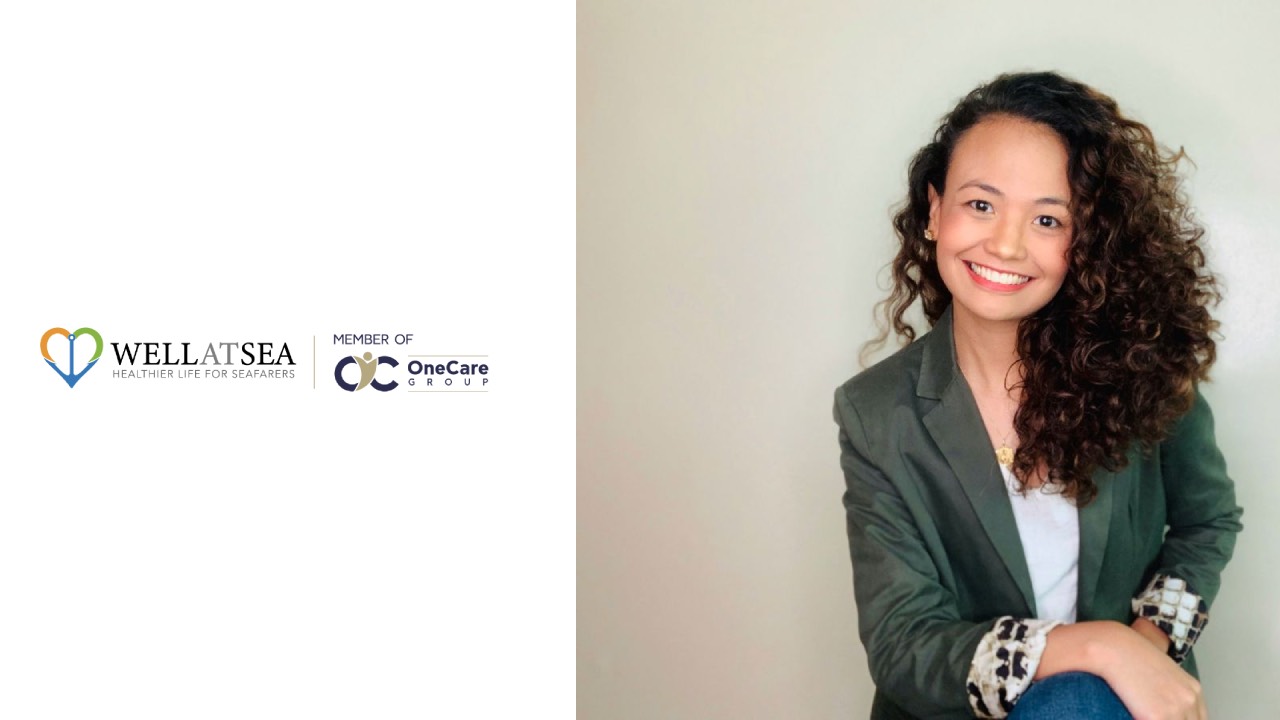
The growing use of gamification apps is helping seafarers take greater autonomy over their health and wellness, according to WellAtSea, a leading wellbeing platform and member of OneCare Group, which argues that mental health remains one of the most under-addressed risks in the maritime industry.
At the same time, the company warned that silence is costing lives, productivity and safety.
Latest data, it said, shows that only 5 to 10 per cent of eligible employees use traditional mental health helplines or employee assistance programmes each year, leaving the vast majority unsupported.
WellAtSea said that, for many seafarers, speaking openly about mental or physical health challenges remains difficult, especially in an industry where most crew members are male and have traditionally found it harder to express their emotions.
It added that the problem is compounded by what Thomas Pickering termed White Coat Hypertension Syndrome, a fear of clinical settings that can trigger elevated blood pressure and deter individuals from seeking professional support altogether.
That challenge, the company suggested, becomes even more serious at sea, where stress, isolation, fatigue and depression can escalate faster than in shore-based roles.
In such conditions, managing director Gisa Paredes said avoidance is “not just a personal issue, it is an operational risk”, adding that “crews must feel safe, supported, and empowered to speak up.”
WellAtSea said it is seeking to redefine how wellbeing is delivered onboard by using gamification to break down barriers, spark engagement and foster genuine human connection.
Rather than relying on reactive helplines that often go unused, the programme embeds wellbeing directly into daily life at sea, making it more accessible, engaging and stigma-free, the company said.
Paredes said the platform was created to help users better understand themselves and their own health states.
“WellAtSea was designed to befriend the user and help them understand themselves and their own health states,” she said, adding that “the idea is to raise awareness, change behaviour, and become proactive about one’s health instead of avoiding it altogether.”
She added that the impact goes beyond individual wellbeing.
Through gamification, the company said, crew are encouraged to earn wellness coins, participate in team challenges, engage in physical activity, manage stress and take part in structured conversations about mental health, all within what it described as a positive, collaborative framework.
Each programme, it added, is tailored to the client’s operational realities and crew culture.
Paredes also linked wellbeing with performance and safety, saying that “happiness leads to better performance, which makes operations safer overall.”
In that sense, WellAtSea said wellbeing can no longer be treated as an optional extra in an industry where safety is paramount. Instead, it described it as a strategic imperative, with gamification proving to be one of the most powerful tools to deliver it.




Click here to change your cookie preferences