
Recently, the global economy has faced severe challenges, notably the pandemic, the Ukraine war and disruptions in global trade. Currently, it is once again confronted with a new and rapidly evolving armed conflict in the sensitive region of the Middle East, a development that is not only costing innocent lives but also generating widespread uncertainty and fear across global markets. The humanitarian consequences are deepening by the day, while the economic repercussions are becoming increasingly visible.
The impact of the previous challenges mentioned above has been relatively mild. Overall, the global economy has shown resilience and supportive policies have proven to be sound. Taking into account the recent market developments, most analysts believe that the current challenge will also have relatively mild impacts. However, the tone of market commentary has shifted in recent days, with several institutions warning that the situation may be more persistent and more complex than initially assumed.
This article is based on the notion of an “average” baseline scenario. However, risks are increasing and history suggests that markets do not always correctly assess developments. Already, analysts and investors seem to be reassessing the situation. Volatility indicators have risen, risk premia have widened and safe‑haven flows have strengthened, reflecting a more cautious global sentiment.
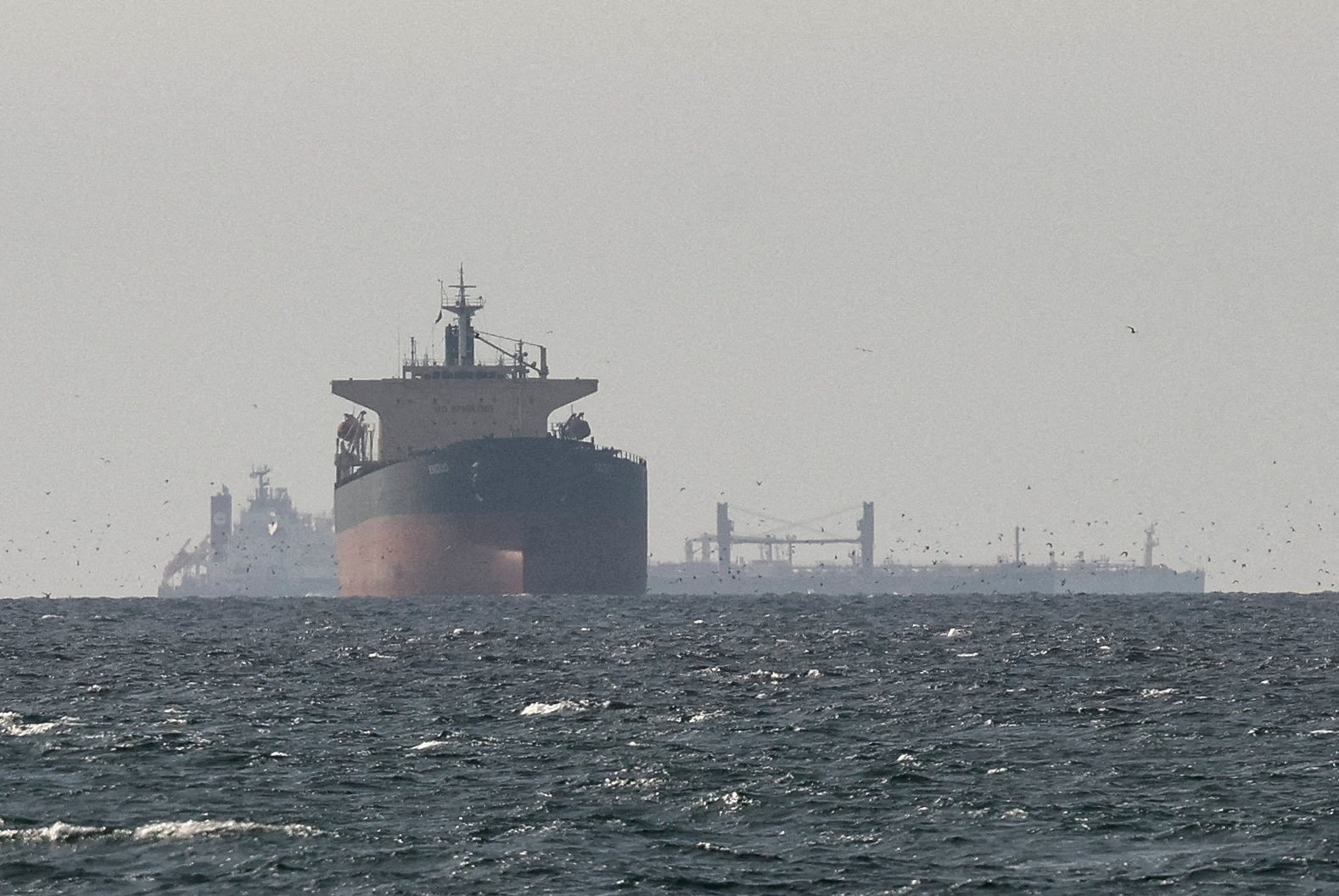
The new challenge affects, above all, the energy market. Despite the observed reduction, over the last decades, in dependence on conventional forms of energy, the price of oil exceeded $100 per barrel, an increase of more than 40 per cent, with an analogous impact on natural gas prices. Over the past 10 days, oil prices have remained elevated, fluctuating sharply as markets react to concerns about potential supply disruptions, including the possibility of reduced exports from key regional producers and ongoing instability in shipping routes through the Strait of Hormuz.
Natural gas prices in Europe have also spiked further due to precautionary stockpiling and fears of renewed pressure on LNG supply chains. The side effects are particularly felt in countries that depend on imported oil and gas, including the EU and China. It is estimated that every 10 per cent increase in oil prices leads – roughly – to a decrease in GDP and an increase in inflation of about one percentage point. The effects in the US are expected to be milder, considering it is a net exporter of natural gas and petroleum products. Nevertheless, even in the US, higher fuel costs are beginning to influence consumer sentiment and transportation‑related inflation.
Increasing inflationary pressures could lead to increased interest rates, considering that, even before the outbreak of war, inflation in many developed economies was above the 2 per cent target. Central Banks are generally expected to seek to control inflationary pressures, thus negatively impacting the economic momentum that arose due to the downward trend in interest rates in previous months. Recent statements from central bank officials in the US, UK and the Euro area indicate a more cautious approach to rate cuts, with several policymakers signalling that geopolitical risks may delay the easing cycle. Markets, which only weeks ago were pricing in rate reductions, have now scaled back expectations significantly.
Fiscal stimulus room is tight in most countries, particularly in the US, UK and France, which are experiencing relatively high and rising public debt. The EU may in fact be forced to revise the implementation timelines for the announced spending increases to support the digital and energy transitions.
Narrow fiscal margins are also constraining the ability of governments to address the increased needs for social support, created by the current situation, notwithstanding the intensification of political challenges, reflected in most recent election results. Furthermore, possible wage increases may feed back into inflation. In Cyprus, the CoLA mechanism may lead to a wage inflation spiral. In addition, several governments are now facing renewed pressure to increase defence spending, further stretching already‑tight fiscal positions. Overall, the combination of higher energy costs, rising borrowing costs and political fragmentation is creating a more challenging environment for coordinated fiscal responses.
Another major challenge is the migratory flows, which are expected to intensify if the unstable situation in the Middle East proves to be prolonged. Neighbouring countries are already reporting increased pressures on border management systems while European institutions have begun preliminary discussions on contingency planning. A prolonged conflict could significantly amplify these flows, with both humanitarian and political implications.
A further area of concern is global trade. Shipping disruptions in the Eastern Mediterranean and the Red Sea have intensified, with several major carriers rerouting vessels or temporarily suspending operations in affected corridors. This is adding to transport costs and delivery delays, particularly for goods moving between Europe and Asia. Although the situation remains manageable for now, any escalation could have material consequences for supply chains.
More generally, an environment of lower growth and reduced room for policy‑supportive measures appears to be taking shape. The current challenges also highlight the need for further reducing reliance on conventional forms of energy. In this context, the observed trend of easing the targets towards renewable energy should be critically reviewed. The latest developments underscore the strategic importance of accelerating the green transition, strengthening energy diversification and enhancing resilience in critical supply chains. Policymakers are increasingly acknowledging that delaying investment in renewable energy and storage technologies could leave economies more vulnerable to future geopolitical shocks.
In conclusion, while the baseline scenario still points to a contained economic impact, the balance of risks is shifting. The combination of geopolitical uncertainty, energy market volatility, constrained policy space and potential supply chain disruptions calls for prudent monitoring and timely policy adjustments. The coming weeks will be crucial in determining whether the global economy can maintain its resilience or whether a more adverse scenario begins to materialise.






Click here to change your cookie preferences