
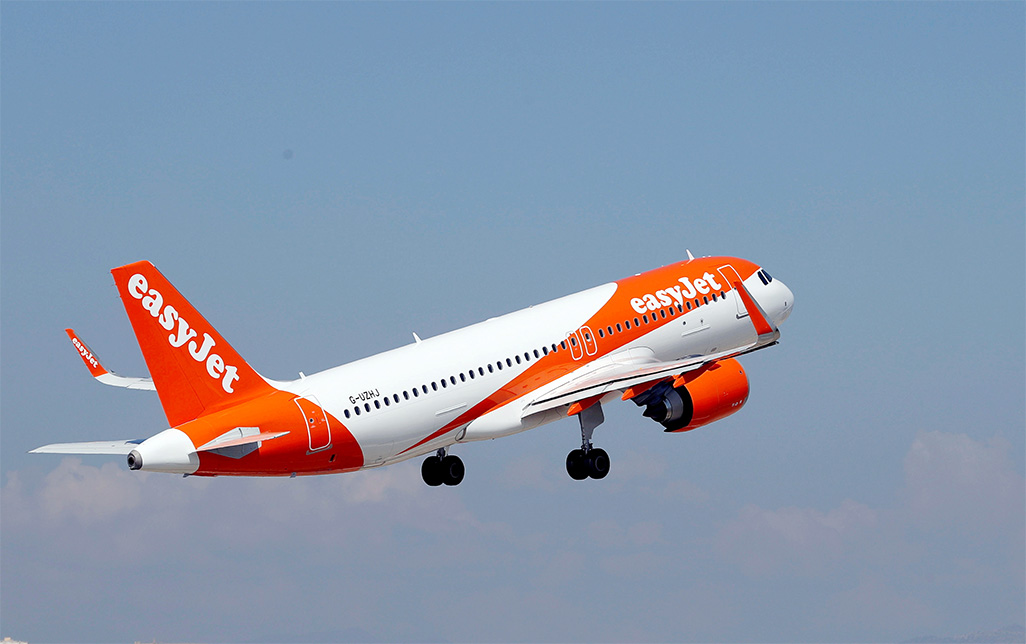
Discount airline easyJet’s CEO said on Monday that ticket prices will rise towards the end of the summer due to the Iran war, adding that the conflict was driving bookings to destinations like Spain and away from Turkey and Cyprus.
The British carrier has hedged the majority of its fuel needs for the coming months but by the end of the summer those hedges start to come off and, depending on the fuel price then, ticket prices could jump.
“The reality is that prices will start feeding through to the consumer towards the back end of the summer,” CEO Kenton Jarvis said, as the airline opened a new base at Newcastle Airport in northeast England.
BOOKINGS SHIFT AWAY FROM EASTERN MEDITERRANEAN
The war, now in its fourth week, has already impacted bookings, Jarvis said, with customers clearly moving away from booking trips to Turkey, Egypt and Cyprus, the island where a British military base was hit by an Iranian-type drone in early March.
“Eastern Mediterranean less popular, west Mediterranean more popular,” he said, adding that easyJet had not yet made any capacity changes but could reduce the frequency of flights to destinations served by multiple daily flights.
Jet fuel accounts for about a third of airline costs and Air France-KLM and SAS have already said they will have to hike ticket prices, while Finnair has warned that jet fuel supplies may run out due to the effective closure of the Strait of Hormuz.
EasyJet said in January it had hedged 84% of its fuel needs for the first half of 2026, 62% for the second and 43% for the first half of 2027, at an average cost of $715, $688 and $671 per metric ton, respectively.
For now, Jarvis said he saw no issues with supply and easyJet was dealing with fuel price volatility through “business as usual management through cost.”
“The market sees prices coming down. Will it come down to where it was before? … I don’t know,” he said, noting that fuel for delivery in six months was still available for under $1,000, despite a spot price around $1,800.
With the situation still “very unpredictable”, it was unclear how the conflict would shape longer-term demand, he said, adding that following the outbreak of the Ukraine war there was a six-week drop in booking volumes.





Click here to change your cookie preferences