
Short-term rentals have reshaped Cyprus’ real estate landscape
In recent years, Cyprus has recorded significant growth in the short-term rental sector, particularly through platforms such as Airbnb, with an increasing number of entrepreneurs engaging in this hospitality model.
The rise in tourism, diversification of travel needs and shift toward flexible accommodation options have created a highly dynamic environment.
Airbnb has played a decisive role in shaping this new market by enabling direct connections between property owners or managers and millions of visitors worldwide.
In Cyprus, the activity has evolved into an organised practice, with companies managing portfolios of dozens or even more apartments.
Short-term rentals are no longer merely a supplementary source of income but have become a core investment pillar influencing prices, developments and sales strategies.
From urban centres to tourist areas, the so-called ‘Airbnb model’ has developed into a structured and professional business activity.
Limassol, the leading city
Limassol undoubtedly holds the leading position in the short-term rental market. Several factors contribute to this. It is the island’s most cosmopolitan urban centre, with strong business activity, international companies, a thriving shipping sector and a high concentration of foreign professionals.
Demand comes not only from tourists but also from business visitors staying in the city for short periods.
The presence of the marina, luxury towers and modern developments creates a high-yield product.
Occupancy rates are strong throughout the year, distinguishing Limassol from seasonal markets.
Paphos: a steady tourism force
Paphos follows dynamically. The city relies primarily on tourism, with a strong presence of visitors from the United Kingdom and central Europe.
Seasonality is more pronounced compared to Limassol, yet its tourism identity is clear and well established.
Properties, particularly apartments near the sea and tourist attractions, achieve solid returns. Paphos maintains more competitive purchase prices compared to Limassol, which in some cases allows for higher percentage yields.
Larnaca and Nicosia: a different approach
Larnaca is on an upward trajectory, particularly due to seafront development and new projects in the port area. Its proximity to the airport constitutes a significant advantage for short stays.
In contrast, Nicosia rentals are mainly driven by business travel, conferences and visits by students or academics. Returns are more moderate but stable, with lower seasonality risk.
Famagusta: villas with private pools take center stage
In Famagusta district, with Ayia Napa and Protaras at the forefront, the model differs. Detached houses with private pools dominate the market. The product is primarily aimed at families and groups seeking privacy and a sense of luxury.
The market is clearly seasonal, with high returns during the summer months but limited activity in winter.
Nevertheless, properly priced and well-maintained properties can achieve impressive revenues within just a few months of operation.
The collaborative investment model
Of particular interest is the collaborative model that has developed between developers, investors and professional short-term rental managers.
Developers construct modern apartment buildings designed for tourist exploitation, incorporating energy efficiency, functional layouts, contemporary design and attractive locations.
Even before construction is completed, agreements are secured with apartment managers. The units are leased to them on a long-term basis, and they subsequently promote them through Airbnb and other platforms.
In this way, the developer sells the property to an investor while offering pre-agreed and often guaranteed income.
The investor acquires the property with management already in place, while the manager assumes responsibility for marketing, bookings, cleaning, maintenance and guest services.
At the same time, a new category of professionals has emerged, managing large portfolios of apartments and houses. They operate almost like small hotel units, but with greater flexibility and lower operating costs.
The growth of Airbnb in Cyprus is not merely a temporary trend but a substantial shift in the relationship between tourism and real estate.
The collaboration between land development and professional rental management provides stable income to investors, supports the absorption of newly built properties and contributes to economic growth.
Provided that high quality standards are maintained and proper market regulation continues, this model is expected to remain a key pillar of Cyprus’ real estate market and tourism in the years ahead.
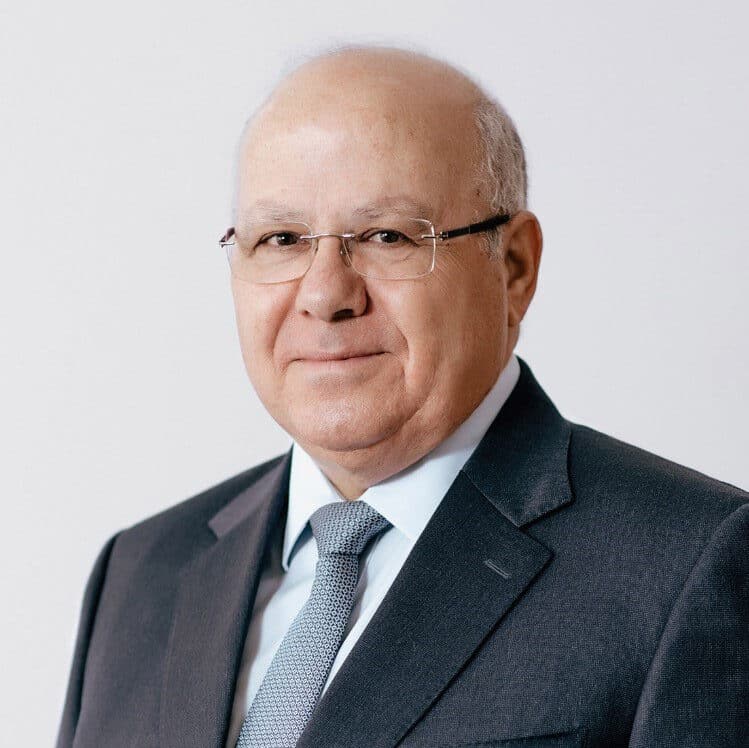
George Coucounis is a lawyer specialising in Immovable Property Law, based in Larnaca. E-mail: [email protected], tel: 24818288




Click here to change your cookie preferences