
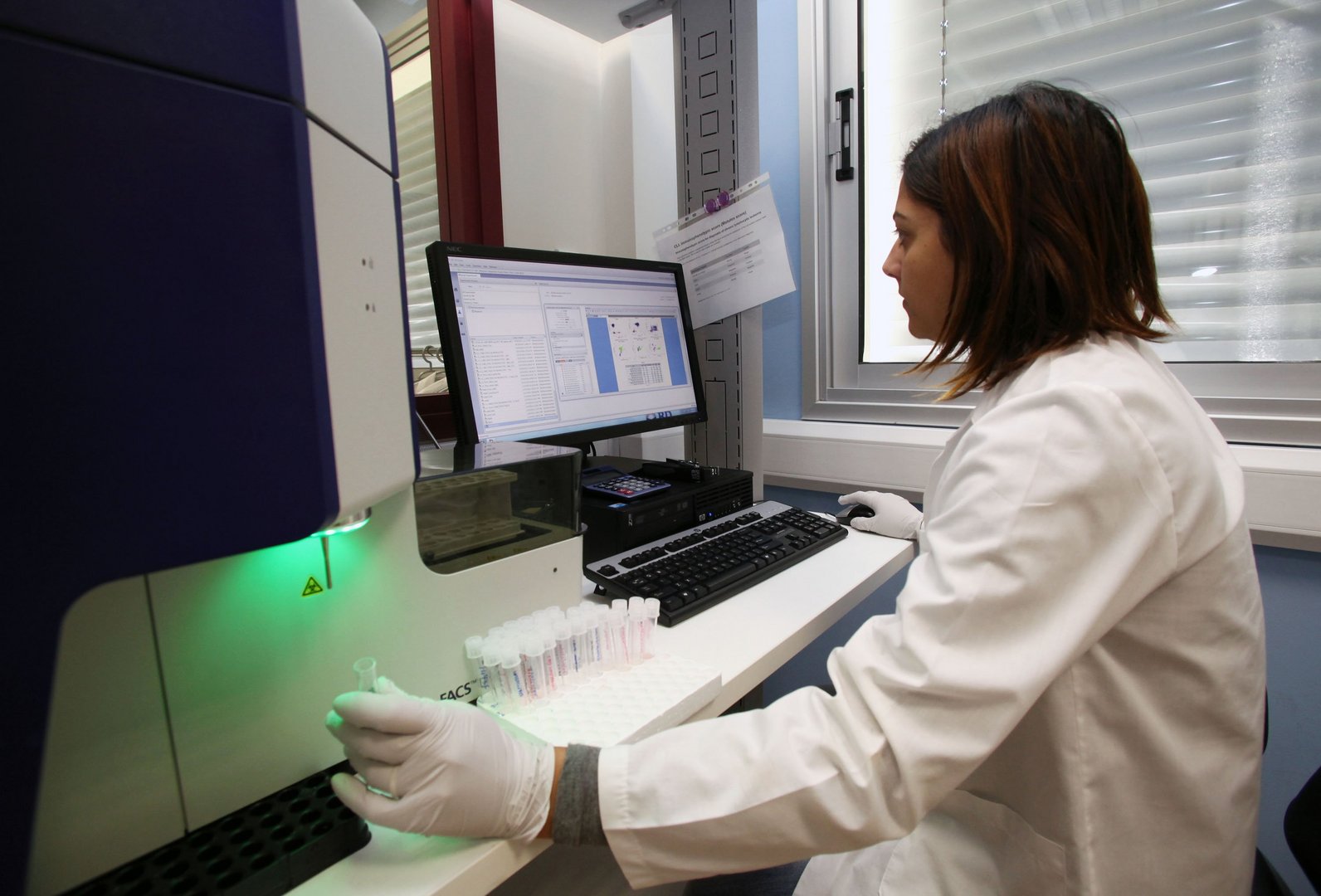
With the tragic situation being faced by Cypriot farmers amid the outbreak of foot and mouth disease and the global uncertainty surrounding supply chains due to the Israeli-US war on Iran, one local company is looking to the future with plans to produce lab-grown meat on the island.
“It’s not only those two aspects, which are the most pressing at the moment,” said CEO of FKM Eats Fitos Agapiou. “This is the way of the future. People are turning from meat due to the cruelty of factory farming and also due to climate change”.
Agapiou said he decided to go public now so that in a worst-case scenario people can rest assured of their future food security.
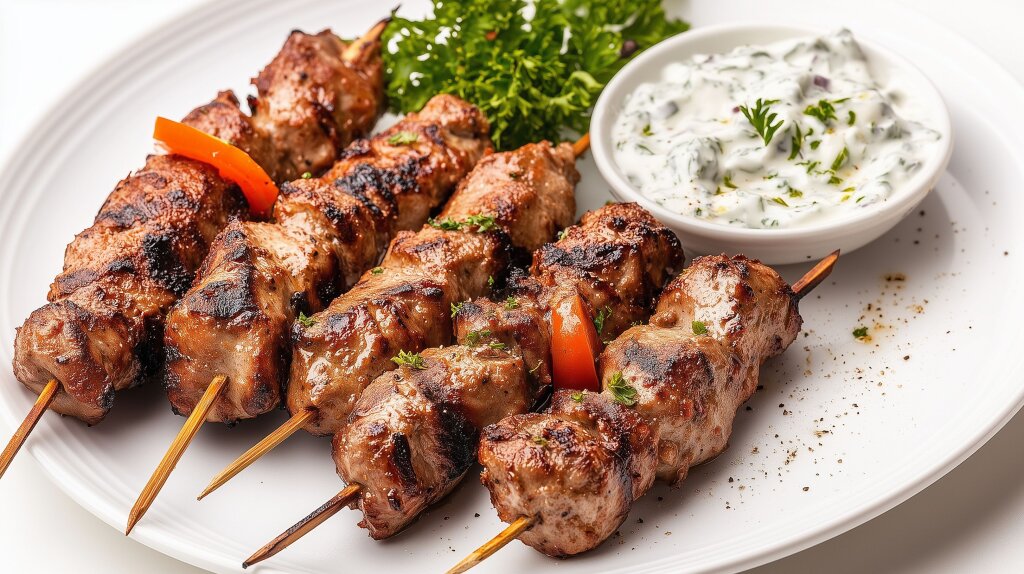
Because lab meat is a massive undertaking, he said FKM would focus only on traditional Cypriot favourites so the company’s aim is to stick to producing souvla and souvlaki cuts initially using lamb and pork DNA. Chicken cuts might come later.
The company has secured the backing of a US tech mogul who already has extensive investment in lab-grown meats but Agapiou is not yet willing to name him.
He also rejects the labels ‘lab meat’ and ‘fake meat’ to describe the product saying it was not consumer-friendly and could be off-putting. “The EU prefers we use the terms ‘cultured meat’ or ‘cultivated meat’,” he said.
As for the branding: “Well, we know it’s a bit clichéd at this point but it worked for margarine so we might simply brand it ‘I can’t believe it’s not meat’ or we may think up something fancier like ‘Veganlaki’ if we can’t call it ‘Vegan Souvlaki’. It’s early days yet.”
With new technologies and the advent of AI, FKM could be producing in the next two years.
Agapiou also expects support not only from the government and the EU in the endeavour but also from the vegan and vegetarian communities.
He believes lab meats are the cleanest way to live in good conscience. Hard-core meat eaters may not like the idea at first, Agapiou said, but might find it more appealing than eating crickets and mealworms, which have in the past few years been approved for consumption in the EU.
“At the end of the day, insects are also God’s creatures,” he said. “Plant-based eaters rarely consider the number of insects and small animals that are killed to produce more and more crops to supply them with their avocados and suchlike, not to mention the carbon footprint to ship these things here from South America or wherever.”
Agapiou, who admits to coming from a Buddhist tradition having spent several years in Asia, went as far as to say that plants too are alive. “Just because we can’t hear them scream doesn’t mean they don’t,” he added. “How do we value one living creature above another. Is the cricket less valuable than the cow, the carrot less valuable than the cricket?”
“To be honest,” Agapiou added, “if the future of food is within our grasp and it’s all made in a lab eventually, the no-harm concept has to be taken in its entirety. We should not be cherry-picking which living creatures we want to kill according to our personal moral judgement or individual wants and tastes. It should be all or nothing.”
Asked what would a person do in the future if lab meat takes off in a big way but someone still wanted the real thing occasionally. Where would they be able to get a steak?
“Perhaps down a dark alley,” Agapiou suggested.



Click here to change your cookie preferences