
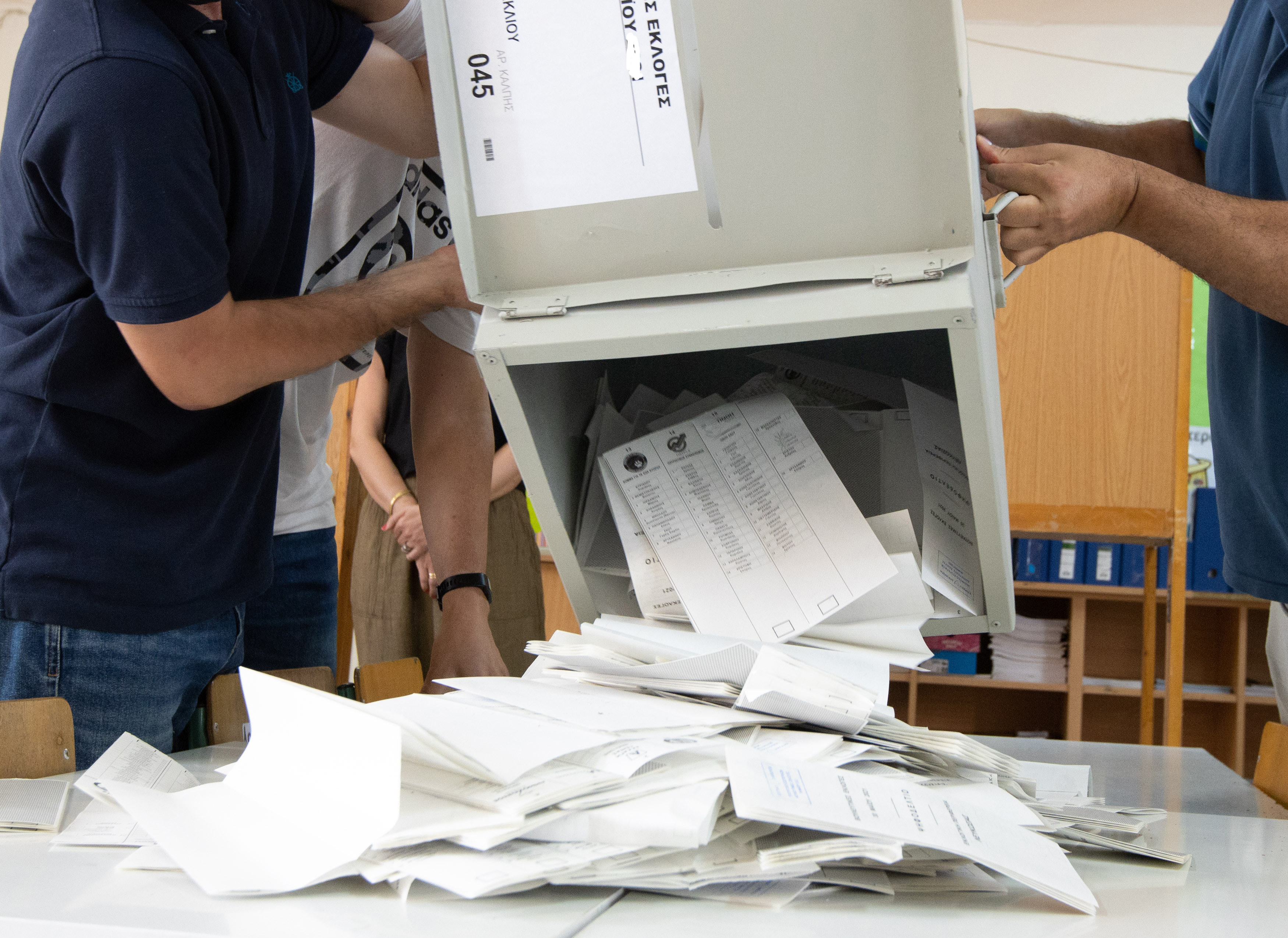
It entails trips to citizen service centres, mukhtars and producing utility bills
Ahead of the parliamentary elections in May, growing attention is being drawn to the stark divide between younger and older applicants, with those over the age of 25 facing what many describe as a cumbersome and outdated process.
Under current rules set by the interior ministry, all Cypriot citizens aged 18 and over who have been permanently resident in Cyprus for at least six months are eligible to register on the electoral roll.
However, while individuals up to the age of 25 can complete the process online through the government’s digital platform, older applicants must navigate a multi-step, largely manual procedure that has prompted frustration among first-time voters and returning citizens.
The deadline for registration was set for April 2, after which no further applications or amendments to the electoral roll will be accepted.
The process itself has come under scrutiny as a potential barrier to participation.
Speaking to the Cyprus Mail, one applicant described the experience bluntly.
“First I went to the citizen service centre and queued for half an hour, after which I was sent out and told to go to the district administration office.”
For those over 25, registration requires a physical presence at multiple administrative points.
Applicants must first obtain and complete a paper form, typically collected from the citizen’s advice centre or the competent district administration office.
Supporting documentation must then be gathered, including proof of residence such as a bank statement and a utility bill bearing the applicant’s address.
“After completing the form and assembling the required documents,” the applicant said, they were told to “locate their local mukhtar to verify and stamp the paperwork”.
A civil servant acknowledged the issue many first time voters are facing, stating that “they understand people’s frustration with this, it’s an outdated model and we are trying to get things changed.”
Even after initial submission, the process remains ongoing, as another applicant explained that “only after obtaining these documents and approval of them can you return to the district office after queuing for yet another hour.”
“Even then it isn’t done,” the applicant continued. “At the end of the month you have to meet with the mukhtar again for him to put your name down in the voter book.”
The individual suggested that such complexity may deter participation, particularly among those who have never voted before.
“There are plenty of people I know who never voted, either because they were disillusioned or because they lived abroad for years. You start to think the system is being deliberately resistant.”
This experience contrasts sharply with that of younger voters, who can complete registration online using the government’s digital identity system, significantly reducing the time and effort required.
The disparity has raised questions about accessibility and fairness, particularly given that many older first-time voters may already face practical challenges in engaging with the system.
Officials acknowledge that the process is not without issues.
Chief returning officer, Dr Elikkos Elia, has taken a firm stance on the issue, expressing limited sympathy for those who have yet to register.
“Why haven’t they registered earlier in life?” he questioned.
“It’s absurd to suggest that they didn’t have time.”
When asked about individuals who may have spent years abroad or only recently returned to Cyprus, he maintained that opportunities to register had existed well before the current electoral cycle.
“There is no reason as to why they could not have done this beforehand,” he said.
This position has been criticised by those who argue that it overlooks changing social patterns, including increased mobility among younger generations and periods spent studying or working overseas.
For such individuals, returning to Cyprus and re-establishing residency may coincide with a desire to participate in public life, only to be met with administrative hurdles.
The requirement to demonstrate six months of continuous residence further complicates matters, particularly for those with non-traditional living arrangements or recent relocations.
While intended to ensure electoral integrity, the rule can create additional layers of verification that must be satisfied before registration is approved.
Compounding the issue is the involvement of local authorities such as mukhtars in the verification process, which introduces unnecessary steps in an era where digital verification could streamline the procedure.
The need for in-person visits and manual approvals has been described as inconsistent with modern governance standards.
Despite these concerns, the interior ministry has focused its messaging on encouraging timely registration, particularly among young voters.
Efforts have been made to extend office hours and provide additional access points, including citizen service centres and postal facilities, but these measures primarily address availability rather than the underlying complexity of the process.
For those intending to vote abroad, additional steps are required, including the submission of a declaration indicating the preferred polling location.
While provisions exist for overseas voting in countries such as Greece, the United Kingdom and Belgium, these too depend on timely registration and sufficient numbers of voters in each location.
From July 1, 2027, all citizens will be automatically registered on the electoral roll upon inclusion in the civil registry, eliminating the need for individual applications.
This reform is expected to address many of the current challenges by removing administrative barriers and ensuring universal registration.
Until then, however, the existing system continues to place a disproportionate burden on certain groups, particularly those over 25 who have not previously engaged with the electoral process.
“And all of this on the simple basis that I am not under 25,” said one dismayed applicant. “It’s ridiculous.”





Click here to change your cookie preferences