
President of the Propeller Club Port of Piraeus Costis Fragoulis has warned of growing concern within the global shipping community over a rapidly deteriorating geopolitical environment affecting maritime trade.
The developments, reported by Greek business outlet Newmoney, highlighted mounting risks for international navigation and commerce.
Fragoulis described a “new reality” of heightened risks driven by intensifying geopolitical tensions, stressing that the global landscape is being shaped by complex and escalating developments.
He pointed to two major conflict zones in Europe and the Middle East, noting that their escalation is having a direct and catalytic impact on maritime transport operations.
Shipping, he said, is now on the “front line” of geopolitical consequences, as tensions translate immediately into operational risks for vessels and trade flows.
“For shipping, these issues are not theoretical, they are immediate and tangible,” Fragoulis said, emphasising that every geopolitical disruption is first reflected at sea.
He underlined the importance of the sector for Greece, explaining that for a country where shipping is a key pillar of economic growth, such developments carry even greater significance.
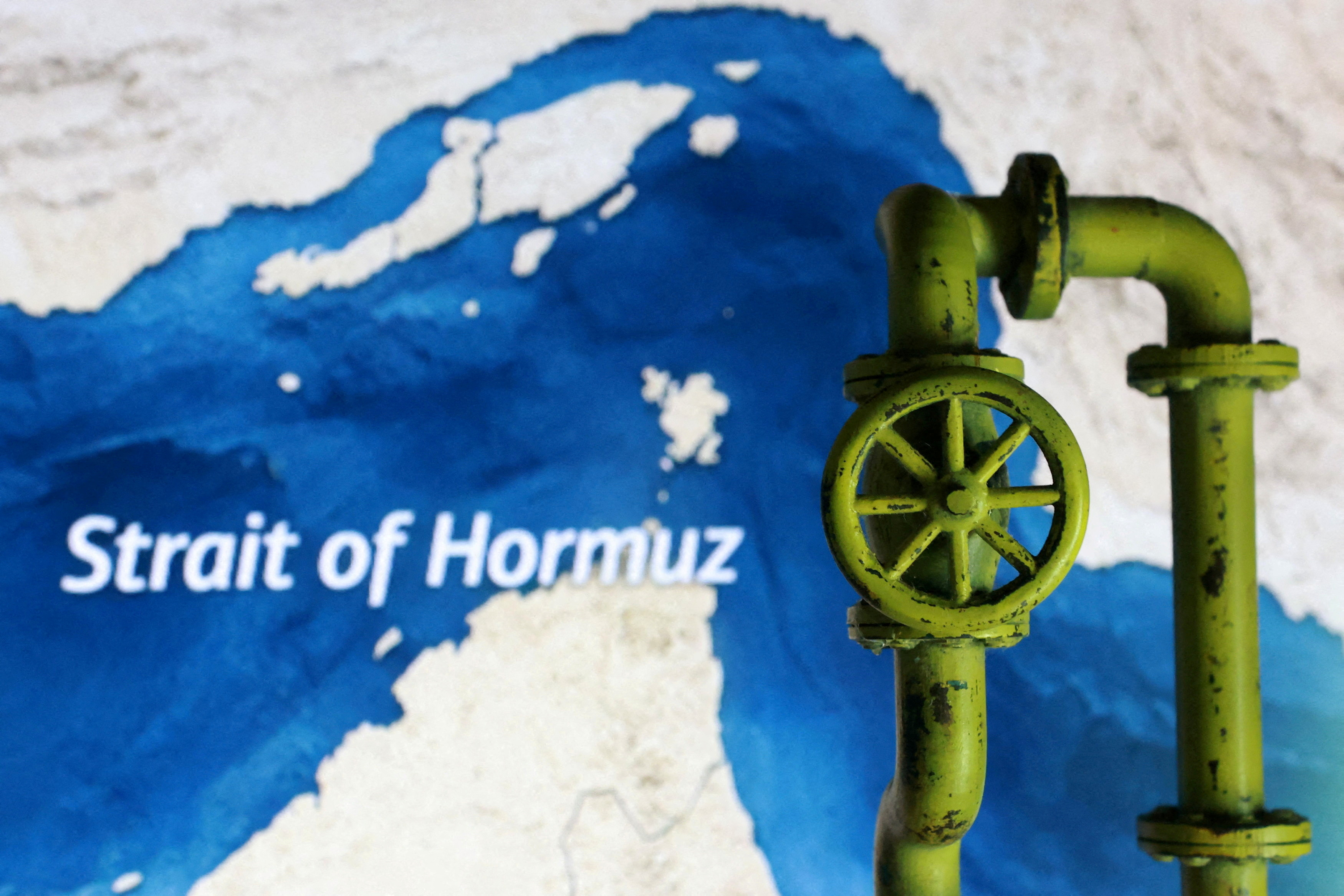
Particular concern was expressed over the situation in the Strait of Hormuz as a critical global energy and trade corridor, where restrictions have significantly disrupted vessel movement.
Fragoulis said that around 600 ships are currently trapped in the area, including 80 linked to Greek interests.
Of these, 230 are tankers carrying nearly 250 million barrels of energy cargo, a volume equivalent to roughly one week of global consumption.
Moreover, Fragoulis said this situation clearly illustrates the impact of geopolitical tension on energy security and market stability, while heightening fears of further supply chain disruption.
At the same time, he raised alarm over increasing safety risks for ships and crews, pointing to a sharp rise in incidents.
“Within just 34 days, 26 serious incidents involving ships have been recorded,” he said, stressing the urgency of protecting seafarers.
He added that the threat of new attacks in the Red Sea remains present, further intensifying uncertainty across global shipping routes.
Fragoulis further stated by describing a period of rapid global realignments and shifting geopolitical balances, not only in the Middle East but also in southeastern Europe.
“Shipping is called to adapt to an increasingly complex and demanding environment,” he concluded, warning that geopolitical instability has become a defining operational factor for the industry.




Click here to change your cookie preferences