
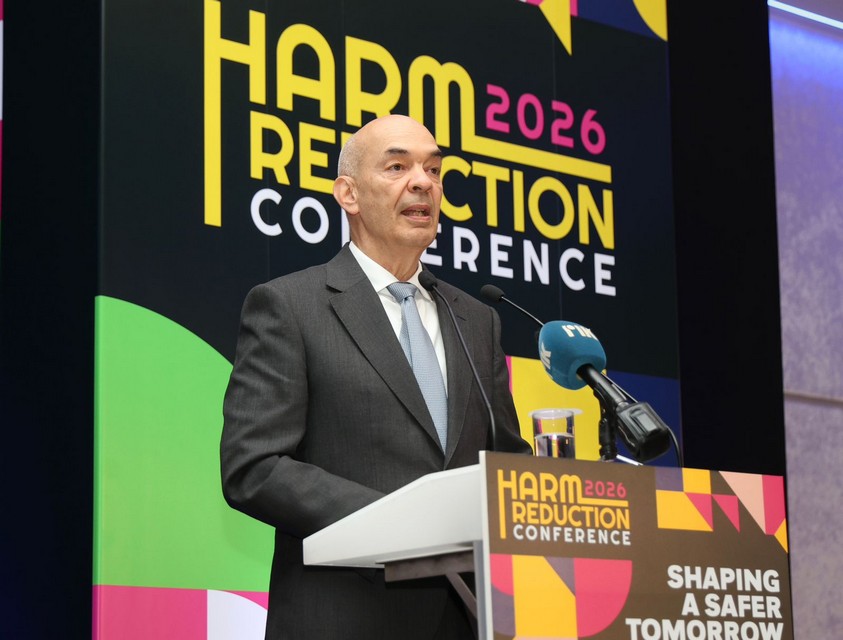
Alcohol and drugs are responsible for around 24 per cent of fatal car accidents in Cyprus, while mobile phone use behind the wheel increases the risk of a crash fourfold, Transport Minister Alexis Vafeades said on Tuesday.
Speaking at the Harm Reduction Conference 2026: Shaping a Safer Tomorrow Through Innovation in Nicosia, Vafeades said road safety remains a constant policy priority for the ministry, supported by targeted measures, clear objectives and continuous evaluation.
“Every life lost in a car accident is a loss we must work to reduce through organised action,” he said, adding that the ultimate goal is “a road network with zero deaths and zero serious injuries.”
Citing data from the World Health Organisation, the minister said that 1.19 million people lose their lives in traffic accidents globally each year.
In the European Union, approximately 100,000 people suffered serious injuries and around 19,400 people were killed on the roads in 2025.
Vafeades added that the EU’s target for 2030 is a 50 per cent reduction in fatalities – effectively saving more than 10,000 lives annually.
He also announced that a new legislative framework for professional motorcyclists will be introduced in the coming months, addressing a specific road safety need.
Motorcyclists, he said, are about 14 times more likely to be involved in a fatal accident than car drivers.
“We are moving forward with the implementation of a new legislative framework that includes stricter licensing requirements, mandatory use of certified equipment and minimum safety standards,” he said.
For citizens, he added, this will translate into more effective enforcement and a safer everyday transport environment.
The minister also highlighted clear scientific evidence showing that speed plays a critical role in pedestrian safety: a collision at 30 km/h carries a less than 10 per cent chance of death for a pedestrian, compared to 80-90 per cent at 50 km/h.
He said local authorities in Cyprus are implementing 30 km/h zones with the ministry’s guidance and support.
“We are also proceeding with targeted interventions at high-risk locations and upgrading pedestrian crossings, as well as the overall quality of our road infrastructure, adopting a more human-centred approach to road design,” he added.
Vafeades stressed that while infrastructure and technology are key contributors, human behaviour remains a decisive factor.
He pointed to initiatives such as the Road Safety Ambassadors programme in schools, alongside targeted awareness campaigns aimed at fostering a stronger culture of road awareness and responsibility.




Click here to change your cookie preferences