
Minister flags rising energy costs and tourism risks from Iran war
Finance Minister Makis Keravnos on Wednesday outlined the government’s economic strategy amid global instability, reflecting on three years of governance marked by continuous crises and challenges.
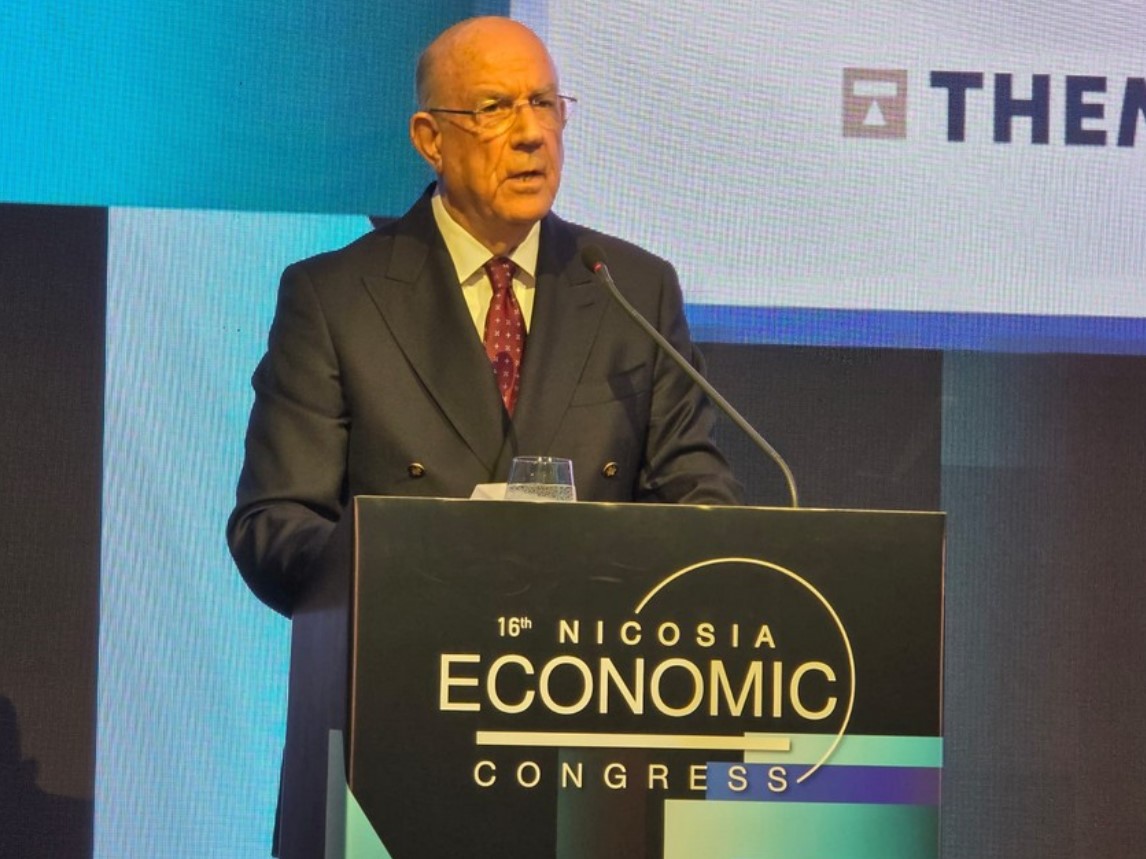
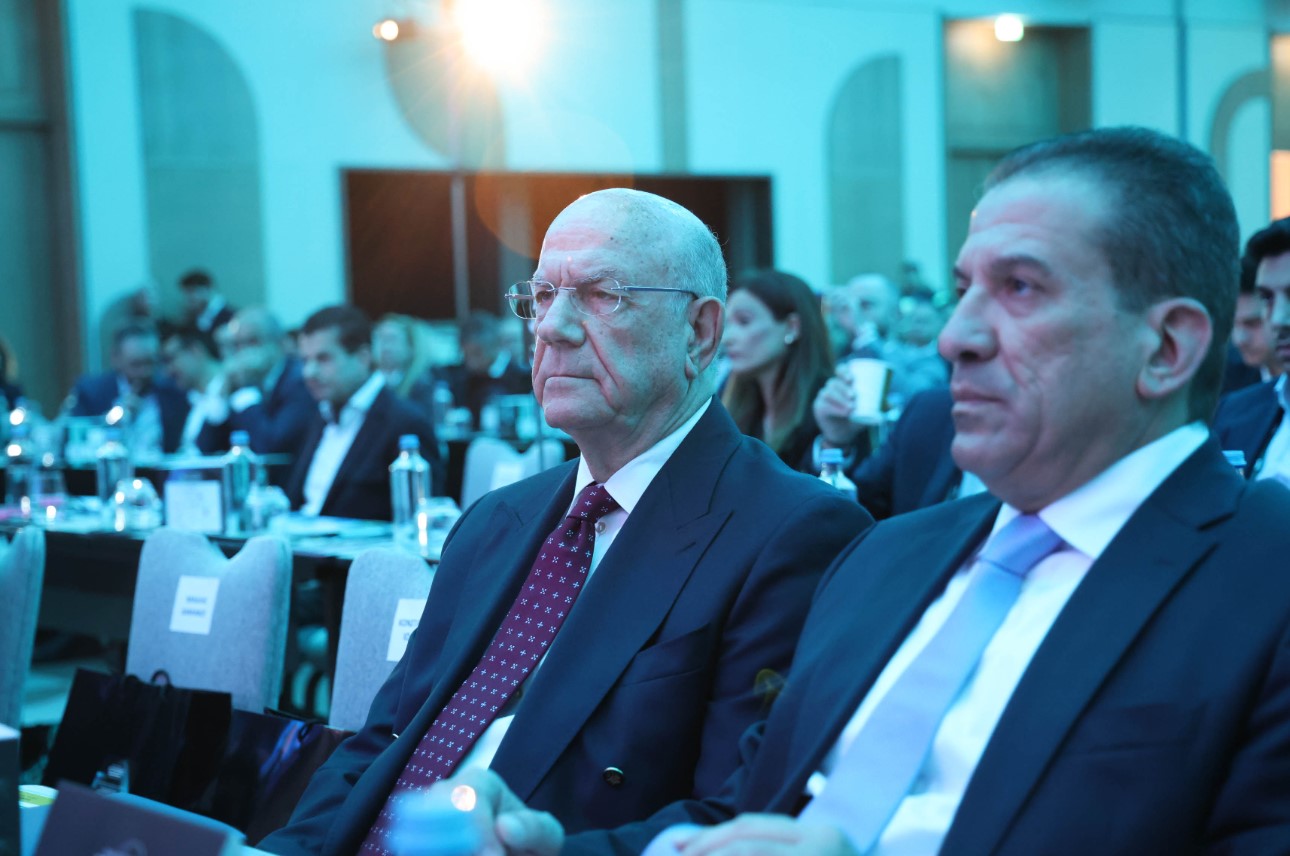
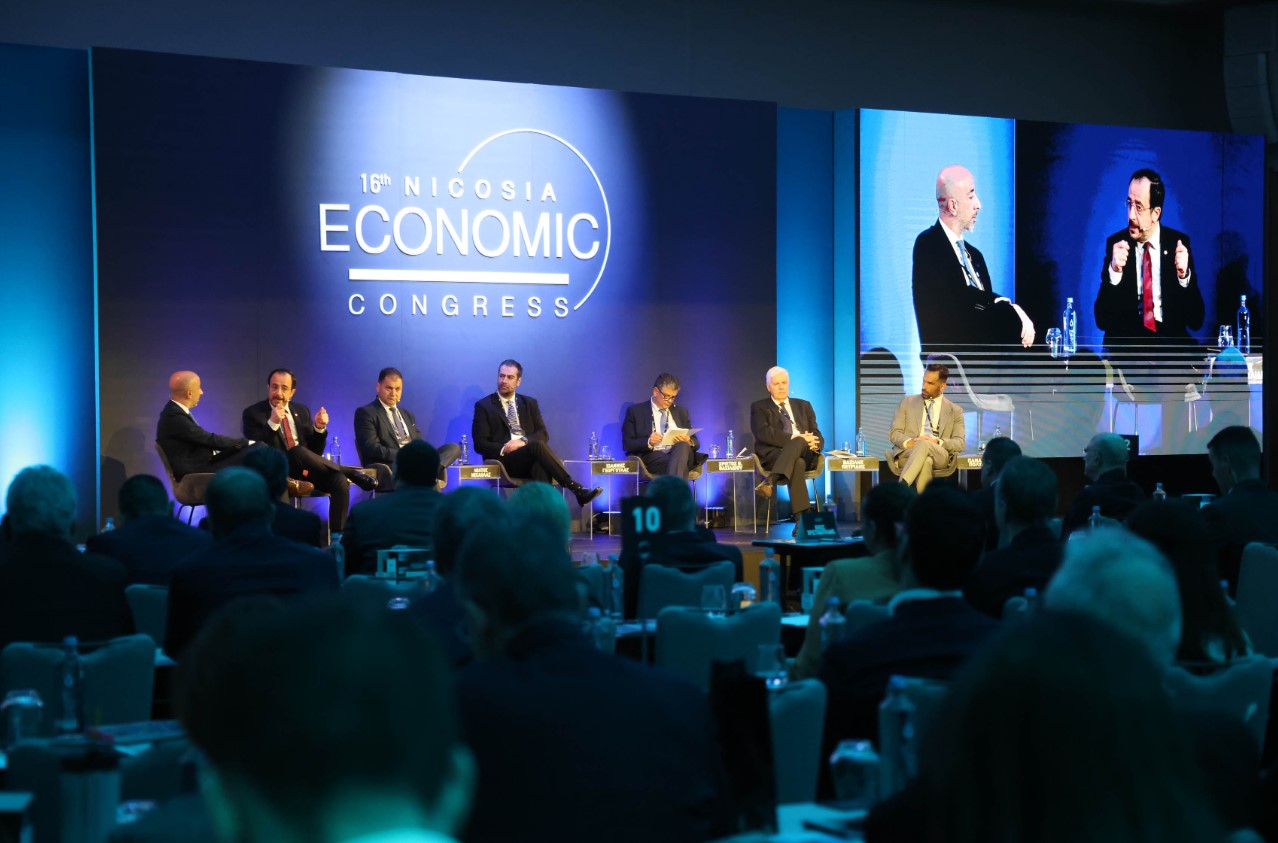
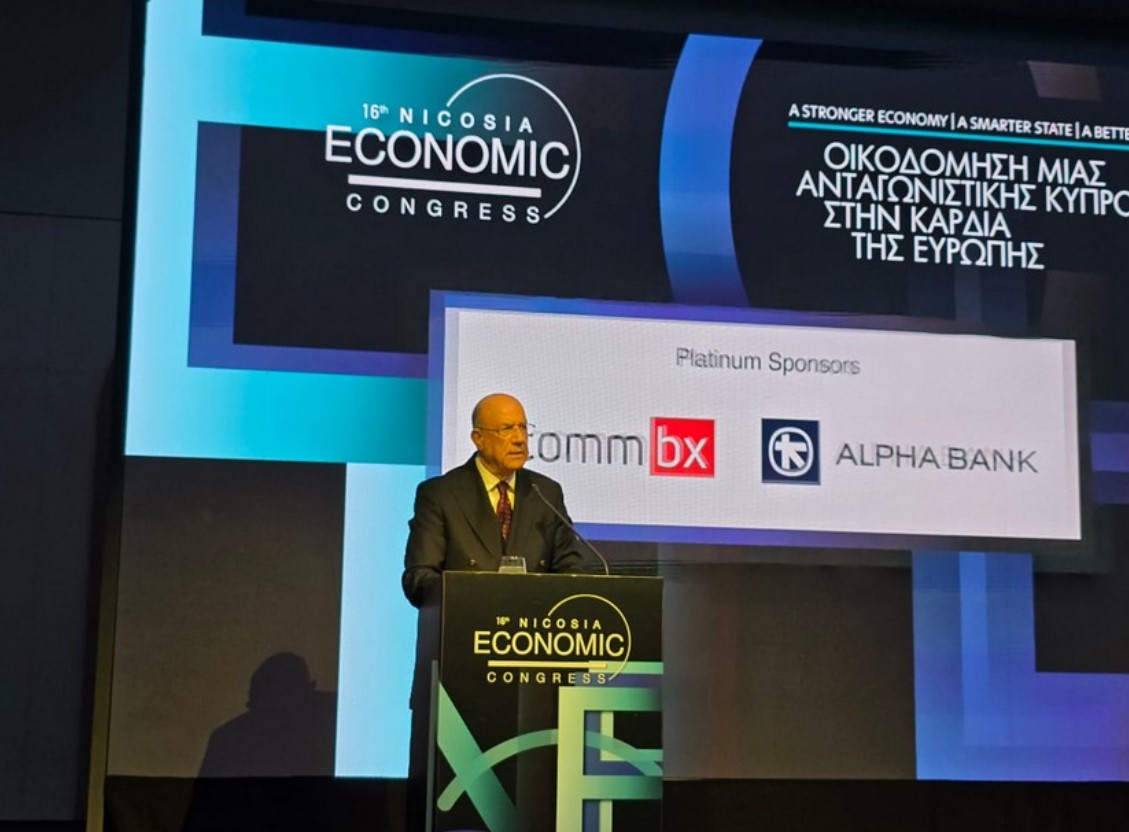
Addressing the audience at the 16th Nicosia Economic Congress, which took place in Nicosia, Keravnos touched on three years of economic policy implementation, which, as he said, coincided with a period of alternating global crises that shaped decision-making.
Keravnos said globalisation trends could be traced back to the post-war period, noting that exports of goods and services rose from around 8 per cent of global GDP in 1950 to approximately 30 per cent in 2024.
This shift, he explained, reflected the transition from closed national economies to interconnected markets and international production networks.
He added that globalisation evolved in phases, with “hyper-globalisation” between 1980 and 2008 ending with the global financial crisis.
Keravnos described the period since 2020 as one marked by multiple global disruptions, including the Covid-19 pandemic, the war in Ukraine following Russia’s invasion, the war in Gaza, and the recent conflict involving the United States, Israel and Iran.
“The new phase from 2020 to today is characterised by new disruptions,” he said.
He said the study of this cycle highlighted the strong link between trade and economic growth, driven by emerging economies and technology transfer.
“At the same time, the easy sources of trade growth now appear to have been exhausted,” he added.
He warned that a more complex environment had emerged, marked by rising tariffs, weakening global trade rules and geopolitical tensions.
Keravnos described this as an “explosive phase of globalisation”, citing prolonged conflicts, rising taxation measures and a growing energy crisis.
Keravnos said the congress was taking place during a period of heightened uncertainty and volatility, with geopolitical tensions destabilising energy markets, increasing inflationary pressures and slowing global growth.
He stressed that the world was undergoing a profound transformation, with economies facing successive crises, shifting geopolitical balances and intensifying energy challenges.
“In this complex environment, Cyprus is called not only to endure but to adapt, evolve and strengthen its position,” he said.
Keravnos outlined that the government’s economic policy was based on three core pillars, namely resilience, sustainable growth and social cohesion.
He said strengthening the resilience of the Cypriot economy remained a top priority, with a focus on fiscal discipline, reducing public debt and building fiscal buffers.
“We ensure fiscal discipline, reduce public debt and create sufficient fiscal reserves,” he said.
He added that financial sector oversight had been reinforced while policies were being implemented to limit systemic risks.
The minister said the government was investing in a transition to a new sustainable and competitive economic model, promoting digital transformation, innovation and a favourable environment for high-value investments.
He also highlighted efforts to accelerate the green transition, reducing dependence on imported fuels and enhancing energy autonomy through renewable energy and storage systems.
“The energy crisis has highlighted the immediate need to diversify energy sources,” he said.
Keravnos stressed that ensuring inclusive growth was the third pillar, with policies supporting vulnerable households, strengthening the middle class and creating quality jobs.
“Social cohesion is not only a moral obligation, it is also a key factor for economic stability and balanced growth,” he said.
He added that the government’s strategy in response to geopolitical tensions was centred on diversification and outward orientation, aiming to strengthen Cyprus’s international presence and attract investment from new markets.
Keravnos said Cyprus was positioning itself as a regional hub for services, energy and innovation, while also maximising the use of European tools and resources for infrastructure, education and technology.
“Cyprus today is not simply part of developments, it is an active co-shaper of them,” he said.
“Without stating the obvious, the scale of the impact on the Cypriot economy from the conflict in Iran will depend on the intensity and duration of the clashes,” he continued, warning of risks to tourism, transport and broader economic costs.
He said the government had already announced support measures worth around €200 million to address the consequences of the crisis.
Keravnos stressed that strong growth rates, a significant fiscal surplus, reduced public debt and low inflation had enabled the implementation of these measures.
He argued that European autonomy was no longer theoretical but an urgent necessity in the current environment.
He said competitiveness in Europe depended on affordable energy, resilient supply chains, a strong industrial base, modern digital networks and an integrated single market.
Keravnos noted that during Cyprus’s Presidency of the Council of the European Union, competitiveness would be central to economic priorities.
The minister further said that efforts were under way at European level to simplify regulations and reduce administrative burdens to support businesses.
He added that deeper integration of the EU single market was also being pursued to boost growth.
Keravnos said Europe’s reform agenda aligned with Cyprus’s policies over the past three years, based on responsible governance, fiscal discipline and social cohesion.
He reported that Cyprus had achieved strong economic growth, with a rate of 3.8 per cent in 2025, significantly above the EU average.
He added that the country was currently experiencing low inflation and conditions of full employment.
Keravnos also said that public debt was expected to fall to around 50 per cent of GDP by the end of the year, marking one of the largest reductions in the EU.
He also highlighted reforms and investments under the Recovery and Resilience Plan, which strengthened key sectors and created optimism for the future.
“It is no coincidence that, for the first time since 2011, all major rating agencies have restored Cyprus to investment grade ‘A’,” he said.
Keravnos identified tax reform as a key pillar of the government’s agenda, aimed at fairer redistribution, support for the middle class and vulnerable groups, strengthening businesses, attracting foreign investment and promoting green and digital transitions.
He also said the reform addressed demographic challenges and housing issues.
Looking ahead, he identified the cost of living as the primary medium-term challenge, stressing the need for better wealth distribution through targeted policies.
“Our first priority is addressing the increased cost of living,” he said.
He said addressing this issue would also help tackle housing, low birth rates and overall living standards.
Keravnos added that a new short-term development programme was needed to maintain growth momentum as the Recovery and Resilience Plan concludes in August 2026.
He also highlighted water scarcity as a key challenge affecting agriculture and tourism, requiring sustainable solutions.
Moreover, the minister said enhancing competitiveness remained a strategic priority, with targeted interventions including digital transformation, skills development and public sector reform.
He emphasised the importance of reducing bureaucracy to create a more flexible and business-friendly environment.
Keravnos added that lowering energy costs through diversification and renewable energy was also crucial for competitiveness.
He stressed the importance of aligning the education system with labour market needs to strengthen economic performance.
Keravnos said foreign investment played a decisive role in economic growth, particularly for small countries like Cyprus with limited resources.
He noted that such investments improved productivity, created jobs and facilitated the transfer of technology and expertise.
He added that recent inflows of technology companies had boosted innovation, research and local capabilities.
“The government’s goal is to continue attracting quality foreign investment,” he said.
Furthermore, Keravnos said the Cypriot economy had moved from a period of internal crises and uncertainty to one of stability and credibility.
“This progress is not given, it is the result of collective effort and responsible policies,” he said.
He warned that the international environment remained unstable and unpredictable, requiring continued reforms based on clear principles.
“Our vision is a strong, outward-looking and sustainable economy with a human-centred character,” he said.
He added that the aim was to build an economy capable of innovation, adaptation and competitiveness at European and global level.
“I assure you that the government remains fully committed to this goal and will exhaust all possibilities to succeed once again despite the difficulties,” he concluded.





Click here to change your cookie preferences