
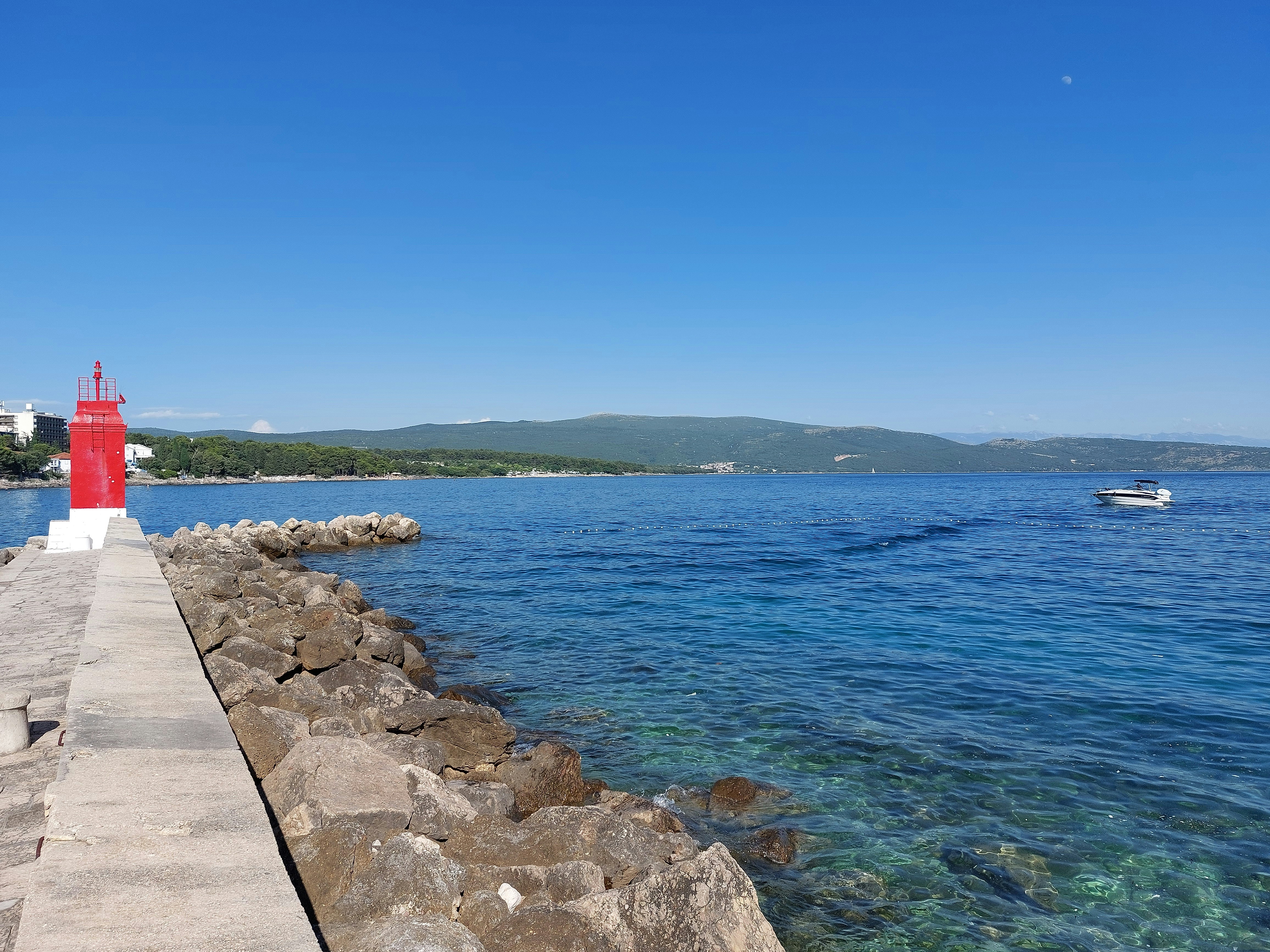
Over the past decade, travelers have discovered what locals have known for generations: a coastline filled with historic towns, clear water, and hundreds of islands spread across the Adriatic Sea. Unlike many Mediterranean destinations that revolve around large resorts, Croatia’s appeal comes from variety. Each stretch of coast feels slightly different, offering new landscapes, cultures, and experiences as you move along it.
A coastline shaped by history
One of the most striking things about Croatia’s coast is how deeply history is woven into everyday life. Many coastal cities date back centuries, with architecture influenced by Roman, Venetian, and medieval traditions.
Cities such as Dubrovnik, Split, and Trogir are known for their preserved old towns, where narrow stone streets lead past historic squares, churches, and harbors. In Split, for example, much of the old city is built directly into the remains of Diocletian’s Palace, a Roman structure that is nearly two thousand years old.
Walking through these towns feels less like visiting a museum and more like stepping into places that have continuously evolved over centuries.
The Adriatic’s clear waters
Another reason Croatia stands out as a coastal destination is the clarity of the Adriatic Sea. The water along the Croatian coast is known for its deep blue color and remarkable transparency. In many areas, you can see the seabed several meters below the surface.
This makes swimming, snorkeling, and diving especially enjoyable. Small coves and rocky beaches appear frequently along the coastline, giving visitors many opportunities to enter the water directly from natural shorelines.
Because the coast is so varied, it is easy to find both lively beaches near towns and quiet spots away from crowds.
More than a thousand islands
Croatia’s coastline includes over a thousand islands, each with its own character. Some are well known for nightlife and culture, while others remain quiet and sparsely populated.
Hvar, for example, has become famous for its historic harbor and vibrant evening scene, while islands like Vis or Lastovo feel slower and more traditional. Vineyards, olive groves, and small fishing villages still define many of these islands.
Exploring them reveals a different side of the country, one that feels less connected to the mainland and more shaped by the sea.
Coastal food culture
Croatian coastal cuisine is another highlight of the region. The food reflects both Mediterranean influences and local traditions built around fishing and agriculture.
Fresh seafood is a staple, often grilled simply and served with olive oil, herbs, and vegetables. Dishes such as grilled fish, octopus salad, and black risotto appear frequently on coastal menus. Local wines from Dalmatian vineyards complement these meals, many of them produced only in small quantities.
Dining in seaside towns often means sitting near the harbor while watching boats return in the evening.
A coast best explored by water
Because so many islands sit close together, the Adriatic is particularly well suited for boat travel. Ferries connect major towns, but private sailing trips offer more flexibility and access to smaller bays.
Travelers often choose to explore the coast this way because it allows them to move between islands while stopping at beaches and villages that are difficult to reach by land. Options such as a Croatia gulet provide a traditional sailing vessel with space for small groups, combining the feeling of a private boat trip with the comfort of a guided experience.
Seeing the coastline from the sea also reveals cliffs, hidden coves, and historic ports that look very different than they do from the road.
A balance between culture and nature
What makes Croatia especially appealing is the balance between natural beauty and cultural depth. You can spend the morning swimming in a quiet bay, the afternoon walking through a historic old town, and the evening enjoying local food in a waterfront restaurant.
This combination gives the coast a sense of variety that keeps travelers moving. No single place defines the experience. Instead, the journey along the coast becomes the highlight.
A destination still evolving
Although Croatia has grown in popularity, much of the coastline still feels authentic compared with more heavily developed Mediterranean destinations. Smaller towns remain quiet outside the main summer season, and many islands maintain traditional ways of life.
For travelers looking for a destination that combines history, natural beauty, and access to the sea, Croatia offers something distinctive. Its coastline invites exploration, whether by road, ferry, or sail, and continues to attract visitors who want to experience the Adriatic from multiple perspectives.





Click here to change your cookie preferences