
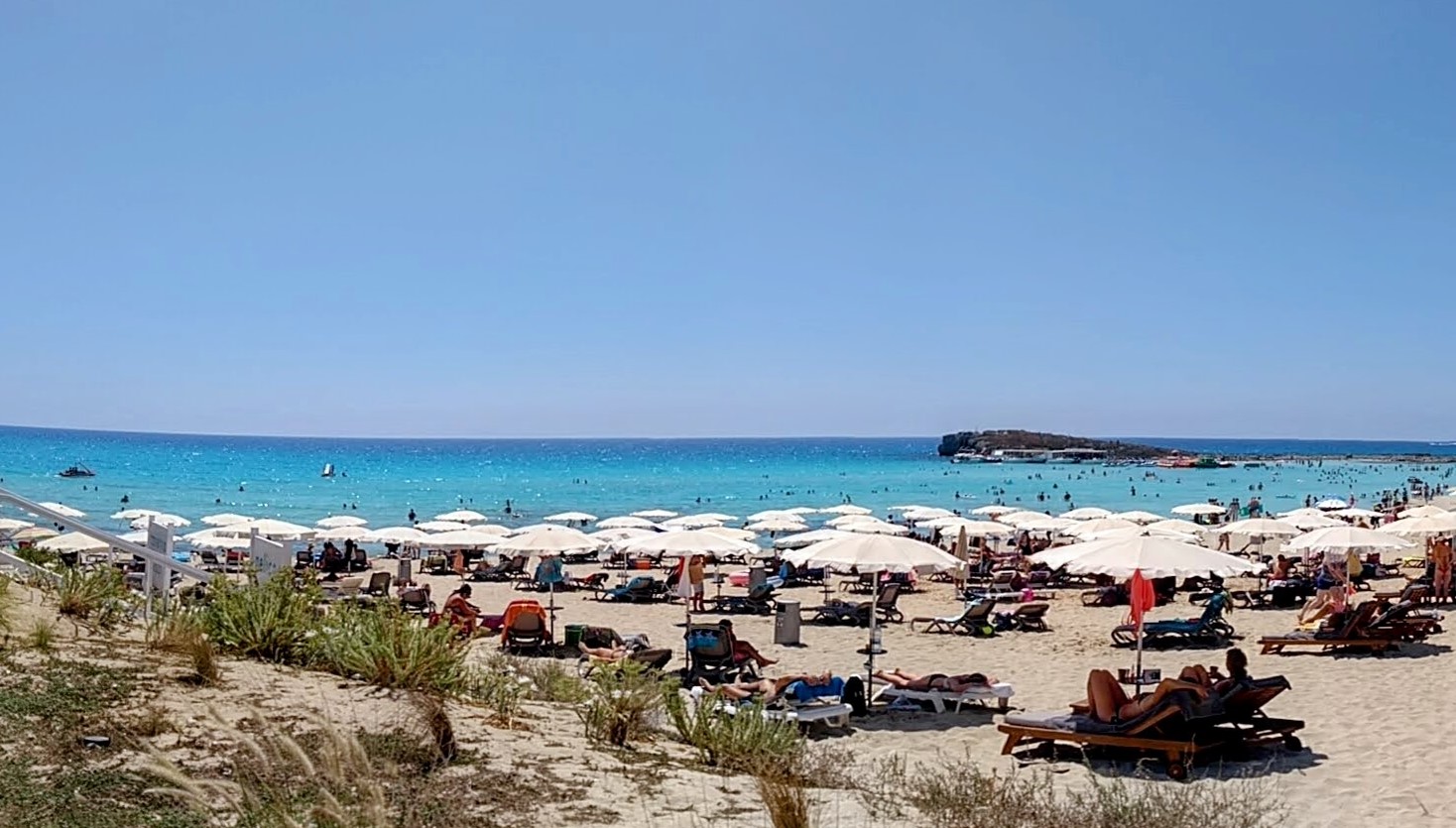
"Our country remains a safe place to visit," says Ayia Napa mayor
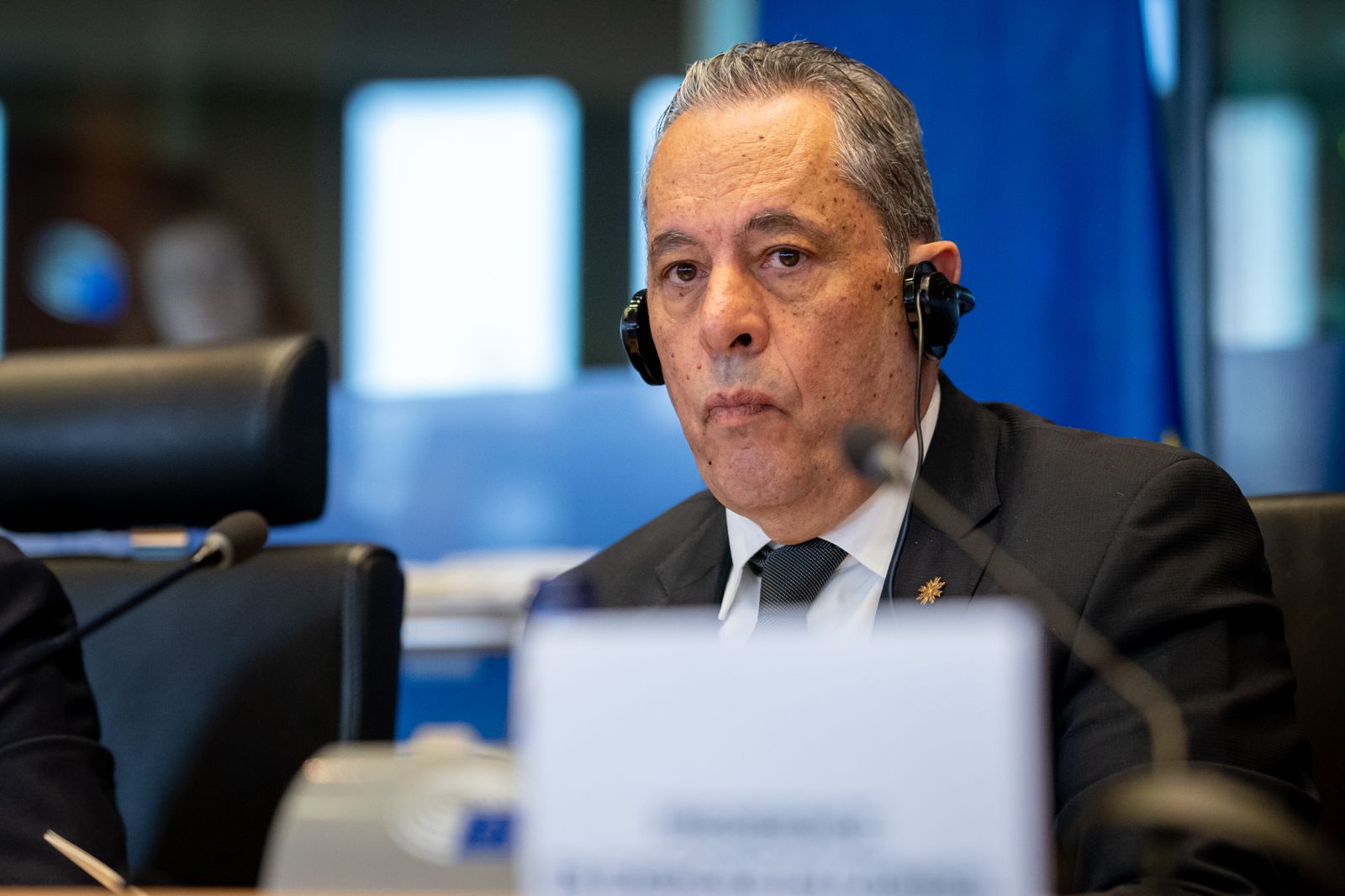
Ayia Napa mayor Christos Zannetou on Wednesday expressed cautious optimism for tourism in Cyprus, warning that ongoing instability in the Middle East is weighing on bookings and hotel occupancy.
Speaking to the Cyprus News Agency (CNA), Zannetou explained that the tourism sector in Ayia Napa and the wider Famagusta district is facing significant pressure, as reflected in a noticeable slowdown in reservations.
“Unfortunately, the ongoing conflict in the Middle East is tempering expectations across the industry in the Famagusta district, especially as we have seen a reduction in April occupancy of around 40 per cent,” said the Ayia Napa mayor.
He highlighted that the freeze in bookings from international partners has forced many properties to stay shut.
“Several hotels have remained closed due to low occupancy and the suspension of bookings by foreign tour operators, resulting in accommodation providers delaying their opening until the end of April instead of the beginning of the month,” he said.
Moreover, he observed that the positive momentum seen early in the year is being undone by cancellations in arrivals.
“The problem is unfortunately a reality; we are seeing cancellations in arrivals and hotel bookings that are overwriting the pre-bookings we had secured since February for the free Famagusta district,” said Zannetou.
Responding to questions, he admitted that the current flow of bookings is insufficient to meet seasonal expectations.
“The flow of bookings is reduced, and we cannot say that hotel occupancy in Ayia Napa is currently satisfactory; the continuation of the war will likely affect our tourism image until the end of April,” he stated.
In addition, he voiced hope that diplomatic negotiations between the United States and Iran might lead to a more stable demand for travel.
“We hope that the negotiations between the United States and Iran will have a positive outcome so that there will be no further cancellations of flights and hotel bookings,” Zannetou said.
He also pointed out that traveller behaviour is being shaped primarily by financial concerns rather than safety.
“It is now clear that people are no longer focused on whether they are travelling to a safe destination like Cyprus, but rather on their personal financial situation and whether they have the necessary funds to go on holiday this year,” he observed.
Zannetou argued that household caution is currently the biggest hurdle for the market.
“We believe that a resolution to the crisis would allow the tourism market to reopen and move toward satisfactory levels; however, as long as uncertainty remains, people are cautious about proceeding with holiday bookings for themselves or their families,” he said.
Regarding the travel advisories issued by various nations, he mentioned that these warnings are having a clear impact on tourist decisions.
“These advisories are issued by countries including the United Kingdom, which may have concerns about potential threats; however, it has become clear that Cyprus has not been targeted, apart from one isolated incident involving a drone at the British Bases in Akrotiri,” Zannetou clarified.
He added that these official recommendations are influencing both the timing and the choice of holiday locations.
“Some recommendations by certain countries not to travel to states in our region are an additional factor that tourists take seriously when deciding where and when to spend their holidays,” the mayor said.
Despite the current climate, he confirmed that municipality preparations for the summer tourism season are nearly complete.
“We are moving ahead with our preparations and are almost ready, with only some beach works remaining, which will be finished by the end of April,” he confirmed.
He lamented that the delayed start to the season has left many in the local workforce waiting to return.
“Due to the current situation, many tourism workers in our area have not yet started their seasonal employment, and we hope a solution to the conflict between Iran and the United States will soon allow the season to begin in earnest,” he noted.
The municipality is also continuing its schedule of cultural events across its districts.
“We are proceeding with the cultural events planned for the summer, although the current situation has forced us to make financial adjustments to their budgets without resorting to any cancellations,” Zannetou said.
He maintained that staying the course with these events is vital for the destination’s image.
“It would be counterproductive to send a message that we are cancelling events, especially in Ayia Napa, which is a world-renowned destination hosting the largest cultural events in the region,” he stressed.
Zannetou reminded that the local economy is heavily dependent on tourism, which accounts for the vast majority of its activity.
“We are continuing our normal preparations within a framework of financial restraint, given that Ayia Napa is 90 per cent a tourism municipality and is directly affected by the economic crisis caused by the war,” the mayor explained.
He warned that the economic impact will trigger a series of problems for various other sectors.
“The consequences of the crisis are chain reactions that will affect all municipalities in Cyprus, while major issues will also arise for food importers and the construction sector,” he warned.
On the subject of regional coordination, he said promotion is being handled collectively.
“This is being done through the Famagusta Tourism Development and Promotion Company, as we understand that the issue is national rather than local; what matters is how tourism will recover across Cyprus,” he stated.
He concluded by emphasizing the need for a unified front in presenting the island as a safe tourist destination.
“We are all making efforts to support the government in promoting the safety of Cyprus and to send a clear message that our country remains a safe place to visit,” Zannetou concluded.


Click here to change your cookie preferences