

Introduction
Cyprus is increasingly attracting remote workers looking for a mix of EU access, warm climate, and relatively manageable living costs. But for digital nomads, the real question is not whether Cyprus looks appealing—it’s whether it works practically: reliable internet, realistic budgets, visa options, and cities that support remote work.
This guide focuses on what matters day-to-day for digital nomads in Cyprus, combining cost of living, connectivity, legal setup, and location strategy.
Direct answer: is Cyprus good for digital nomads in 2026?
Cyprus can be a strong option for digital nomads in 2026, especially for those who want EU residency access, good internet in major cities, and a safe, stable environment.
However:
- Cost of living is moderate to high, particularly in Limassol
- Internet is reliable in urban areas, but less consistent in rural regions
- Visa access is possible but limited, with specific eligibility requirements
- Car dependency and summer heat can affect day-to-day practicality
In short: Cyprus works best for mid- to high-income remote workers, not ultra-budget nomads.
Cost of living for digital nomads in Cyprus
Monthly budget overview
Typical monthly costs:
| Category | Budget (€) |
|---|---|
| Rent | 600 – 1,500 |
| Utilities | 120 – 250 |
| Groceries | 250 – 400 |
| Internet/mobile | 40 – 70 |
| Transport | 50 – 250 |
| Total | 1,100 – 2,200+ |
Key cost insights
- Rent is the main cost driver, especially in Limassol
- Utilities spike in summer due to air conditioning
- Groceries are manageable but can rise with imported products
Compared to Western Europe, Cyprus can be competitive—but it is not a low-cost destination anymore.
Internet speed and remote work setup
Average internet speeds
- Urban areas: 50–200 Mbps (fiber widely available)
- Smaller towns: 20–50 Mbps
- Rural areas: can be inconsistent
Reliability
- Generally stable in major cities
- Occasional slowdowns or outages possible
- Backup mobile data is recommended
Coworking and workspaces
- Growing number of coworking spaces in Limassol and Nicosia
- Cafés often offer Wi-Fi, but not always ideal for full workdays
Key takeaway
Cyprus is remote-work viable, but your experience depends heavily on choosing the right location.
Digital nomad visa and residency options
Cyprus Digital Nomad Visa
Cyprus offers a dedicated digital nomad visa for non-EU nationals.
Key features:
- Allows remote work for foreign companies
- Initial stay up to 1 year (renewable)
- Pathway to temporary residency
Typical requirements:
- Minimum monthly income (around €3,500+)
- Proof of remote employment
- Health insurance
EU citizens
- Can live and work freely
- Must register if staying long-term
Key limitation
The visa is income-restricted, meaning Cyprus is better suited to higher-earning remote workers.
Best cities in Cyprus for digital nomads
Limassol (best overall for remote professionals)
Why choose it:
- Strong expat and business community
- Fastest internet infrastructure
- Coworking spaces and networking
Downside:
- Highest cost of living
Best for:
- Professionals earning higher remote income
- Those wanting a social, international environment
Nicosia (best for practicality and stability)
Why choose it:
- More affordable than Limassol
- Reliable infrastructure
- Year-round local economy
Downside:
- No beach lifestyle
Best for:
- Focused work lifestyle
- Long-term remote living
Larnaca (best balance of cost and lifestyle)
Why choose it:
- More affordable coastal option
- Close to the main airport
- Growing digital nomad appeal
Downside:
- Fewer coworking options
Best for:
- Budget-conscious remote workers
- Balanced lifestyle seekers
Paphos (best for relaxed lifestyle)
Why choose it:
- Slower pace
- Scenic coastal environment
- Popular with expats
Downside:
- Less dynamic job/networking scene
Best for:
- Solo workers
- Lifestyle-focused nomads
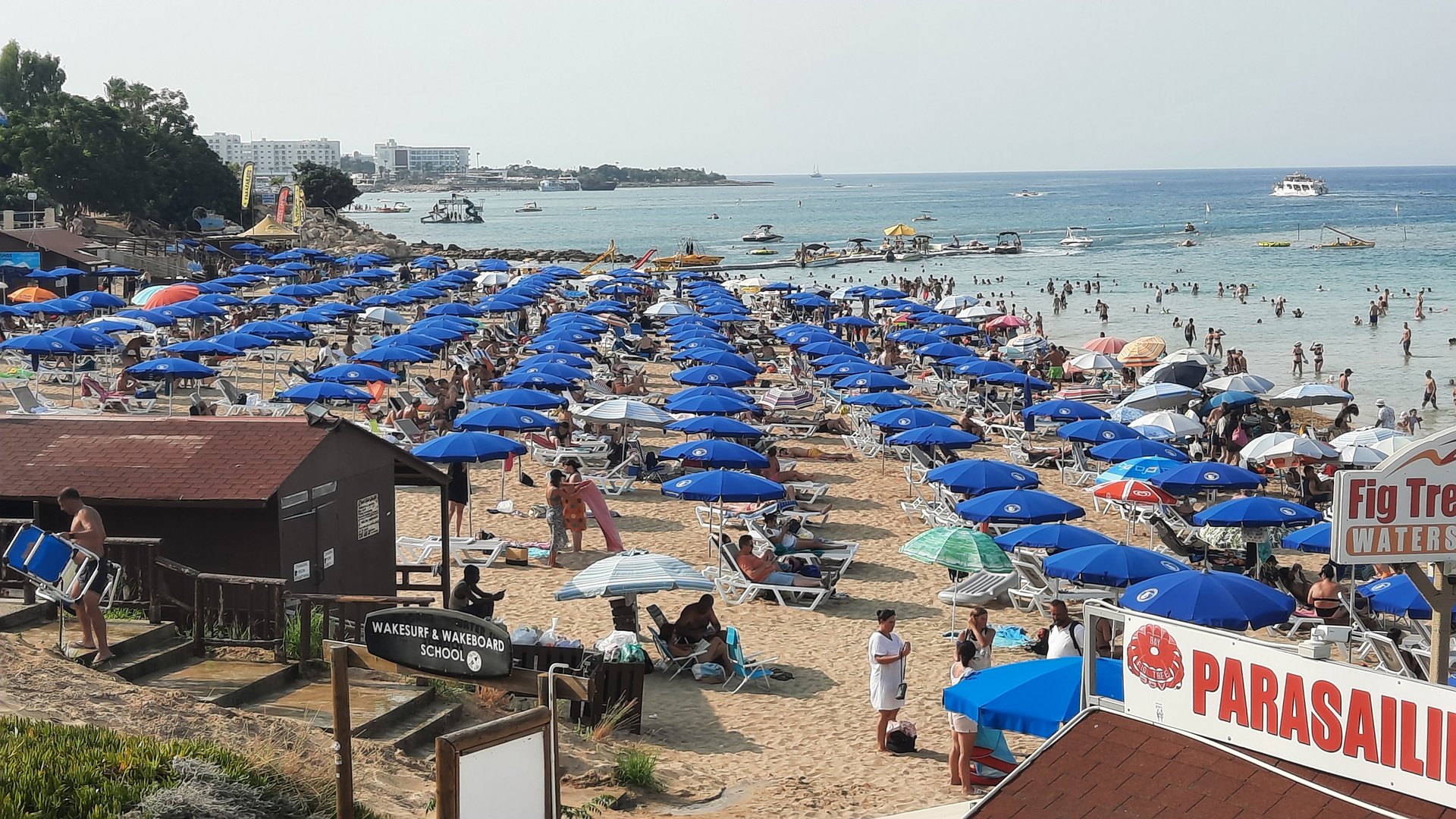
Protaras / Ayia Napa (seasonal option)
Why choose it:
- Beautiful beaches
- Good for short-term stays
Downside:
- Highly seasonal
- Limited winter activity
Best for:
- Short-term digital nomads
Can you live in Cyprus without a car?
- Possible in central Limassol, Nicosia, or Larnaca
- Difficult in suburban or rural areas
Most digital nomads eventually rely on:
- Car rental
- Car ownership
- Occasional taxis
Transport is a hidden cost factor.
Pros and cons for digital nomads
Advantages
- EU location and legal stability
- Good weather year-round
- Solid internet in cities
- English widely spoken
Challenges
- Rising cost of living
- Car dependency
- Limited visa accessibility
- Extreme summer heat
How to choose the right city as a digital nomad
- If you want networking and expat life → Limassol
- If you want lower costs and stability → Nicosia
- If you want coastal life on a budget → Larnaca
- If you want a relaxed pace → Paphos
- If you want short-term beach living → Protaras/Ayia Napa
Final verdict
Cyprus is a practical but not budget-friendly digital nomad destination in 2026.
It works best for remote workers who:
- Earn stable international income
- Prioritize safety and EU access
- Choose their city carefully
For most digital nomads, the decision comes down to one key trade-off:
Limassol for lifestyle and networking vs Larnaca/Nicosia for affordability and balance.




Click here to change your cookie preferences